




 Technology01 May 2026
This Treatment Could Reverse Osteoarthritis Joint Damage With a Single Injection
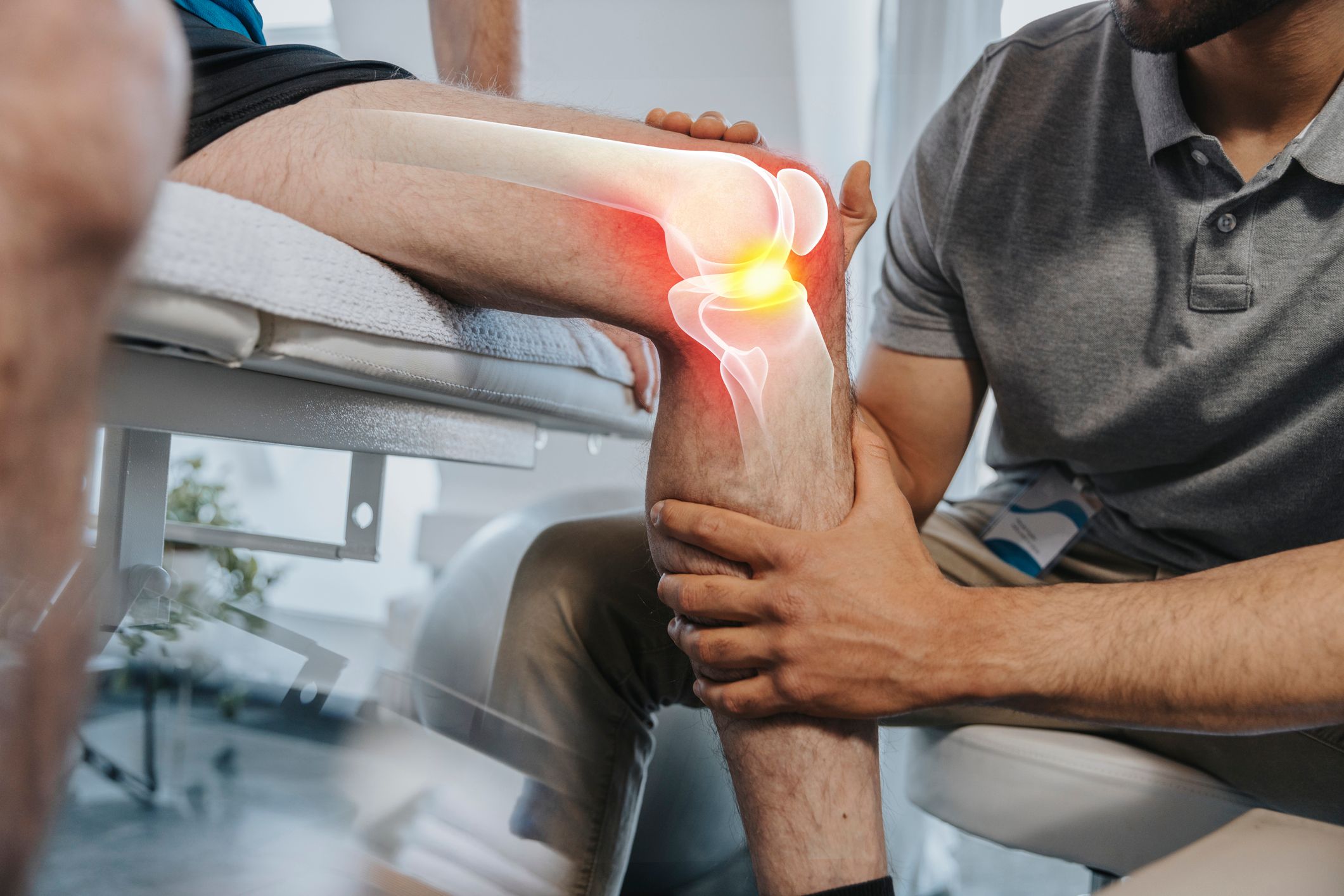
A single injection could revolutionize osteoarthritis treatment, repairing joint damage by harnessing the body’s natural regeneration processes.
Potential Breakthrough in Osteoarthritis Treatment
Osteoarthritis, affecting one in six individuals over the age of 30, remains a critical health issue characterized by the progressive deterioration of joint cartilage. Traditional treatments often lead patients to choose between invasive surgeries or pain management options. However, researchers at the University of Colorado Boulder have embarked on an innovative journey that could change the landscape of osteoarthritis treatment forever.
Funding from ARPA-H
Backed by a significant $33.5 million grant from the Advanced Research Projects Agency for Health (ARPA-H), the project named NITRO, or Novel Innovations for Tissue Regeneration in Osteoarthritis, strives to find a cure for this common ailment. The objective is not merely to alleviate symptoms but to reverse joint damage with a simple injection, positioning this technique as a groundbreaking alternative to conventional therapies.
Harnessing the Body's Natural Healing Mechanisms
The approach, led by biomedical engineer Stephanie Bryant, diverges from the typical reliance on surgeries or prosthetics. Bryant states, "Our goal is not just to treat pain and halt progression, but to end this disease." The team seeks to utilize the body’s intrinsic ability to regenerate tissues, focusing on a dual strategy to promote healing in affected joints.
Injection-Based Regeneration
One proposed method involves a single injection that administers an already FDA-approved drug in a controlled manner, utilizing a particle system that acts as a vehicle. This method allows for the gradual release of the treatment over several months directly into the joint, stimulating natural repair processes.
The second method, which addresses more severe cases, includes a kit of biomaterials that can be introduced into the joint through minimally invasive procedures. Upon administration, these materials solidify and create a scaffold that attracts progenitor cells, facilitating the regeneration of damaged cartilage or bone.
Promising Results from Animal Studies
Initial studies in animals have indicated promising outcomes, with treated joints returning to a healthy state within four to eight weeks. Researchers noted that even in cases of severe injury, complete regeneration of the damaged tissue was observed. Bryant commented on the rapid progress, stating, "In two years, we were able to go from a moonshot idea to developing these therapies to demonstrating that they reverse osteoarthritis in animals."
Further validation was seen with human cells harvested from patients undergoing joint replacement, which exhibited regenerative effects, hinting at the potential for transitioning this approach into human trials.
The Path Forward: Clinical Trials on the Horizon
Though the results so far have been encouraging, researchers emphasize that these findings are yet to be confirmed through clinical trials. The immediate next steps involve publishing their findings in an academic journal and proceeding with further animal studies to assess important variables such as toxicity and safety. Provided all progresses smoothly, human clinical trials could begin in approximately 18 months.
This research marks a significant step towards potentially revolutionary treatment for osteoarthritis, highlighting the importance of funding and innovation in addressing chronic health issues that affect millions worldwide.
Popular news
A small plane crash while touring the Nazca Lines in Peru has resulted in 13 fatalities, including tourists and crew.





Subscribe to
our news
Get the most important updates and top stories in your inbox.