




 Business13 Apr 2026
Traffic Disruption in the Strait of Hormuz as US Implements Blockade
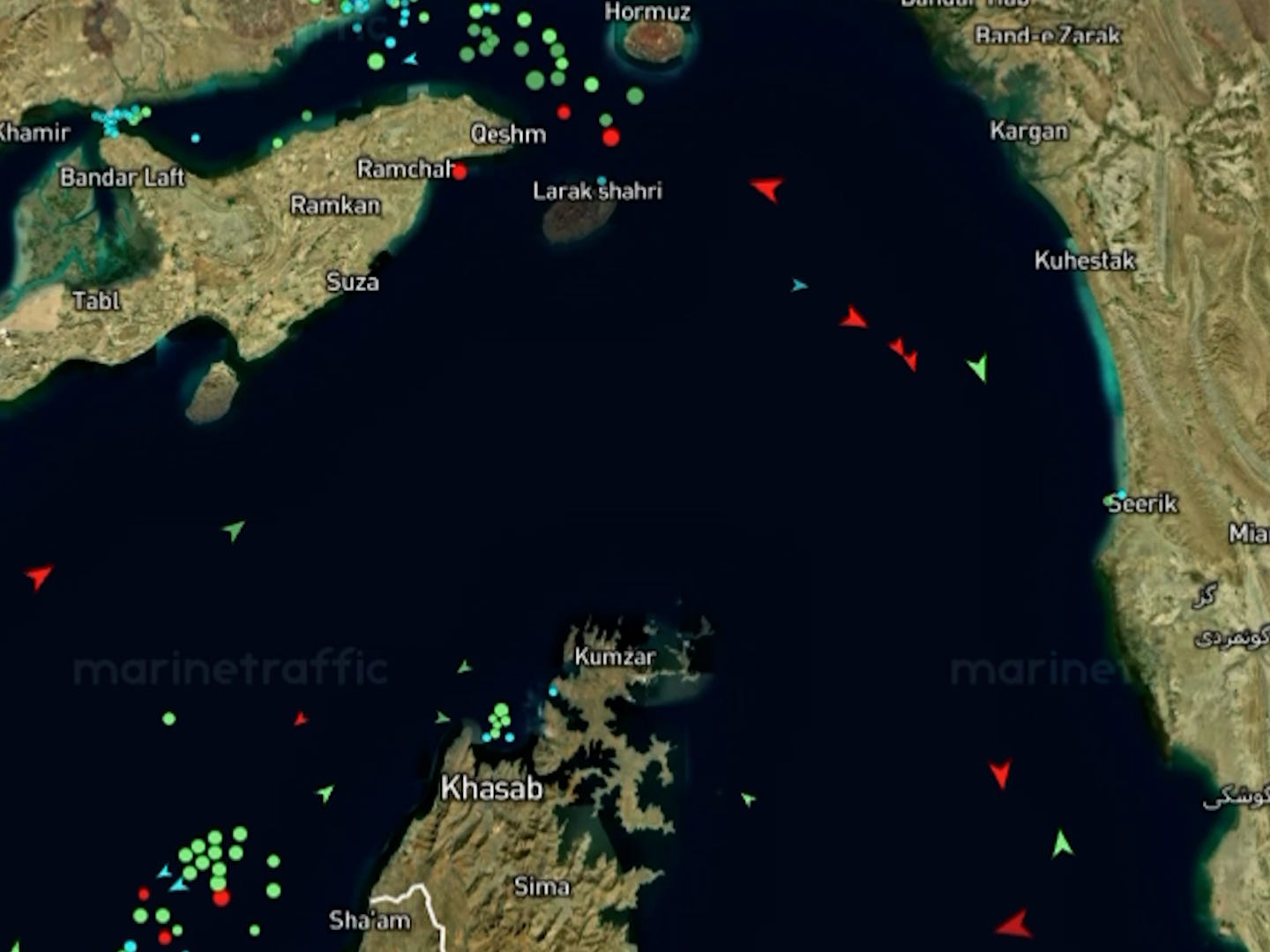
US blockade halts traffic in the Strait of Hormuz, causing oil price spikes and market volatility on April 13.
Increased Tensions in the Strait of Hormuz
On April 13, 2026, the Strait of Hormuz, a critical conduit for global oil shipments, faced severe disruptions as the United States implemented a blockade in the region. This action is seen as a significant escalation in tensions, which are reverberating through the global energy markets and prompting uncertainties regarding oil supply.
Market Reactions to the Blockade
The market’s response has been noticeable; stock indices oscillated between losses and gains throughout the trading day. Investors reacted with caution, leading to increased volatility as news of the blockade circulated. Concurrently, oil prices surged, reflecting fears of potential supply constraints in an already delicate supply chain.
According to reports from Business Insider, the Strait of Hormuz is a pivotal shipping route that accounts for roughly 20% of the world’s oil trade. As the blockade restricts access, the implications for global oil supplies could be severe, triggering a possible rise in prices over the coming weeks.
Geopolitical Implications
The situation in the Strait of Hormuz is not only an economic concern but also a geopolitical one. The United States has expressed intentions to secure and regulate this critical passage to prevent hostile actions that may threaten its interests and those of its allies in the region.
The blockage may lead to increased military presence in the area, with the US likely to enhance its naval patrols to safeguard maritime traffic, further straining relations with nations that depend on the Strait for their oil exports.
Historical Context
Historically, the Strait of Hormuz has been a flashpoint for conflict and confrontation. Previous blockades and military engagements in the region have caused significant upheavals in the oil market, contributing to price spikes and supply shortages. However, experts warn that current conditions may lead to an unprecedented level of disruption, given the rising global demand for oil and the regional tensions that have persisted in recent years.
As the situation evolves, stakeholders in the energy market are urged to monitor developments closely and prepare for any potential long-term implications of the blockade on oil prices and international trade routes.
Popular news
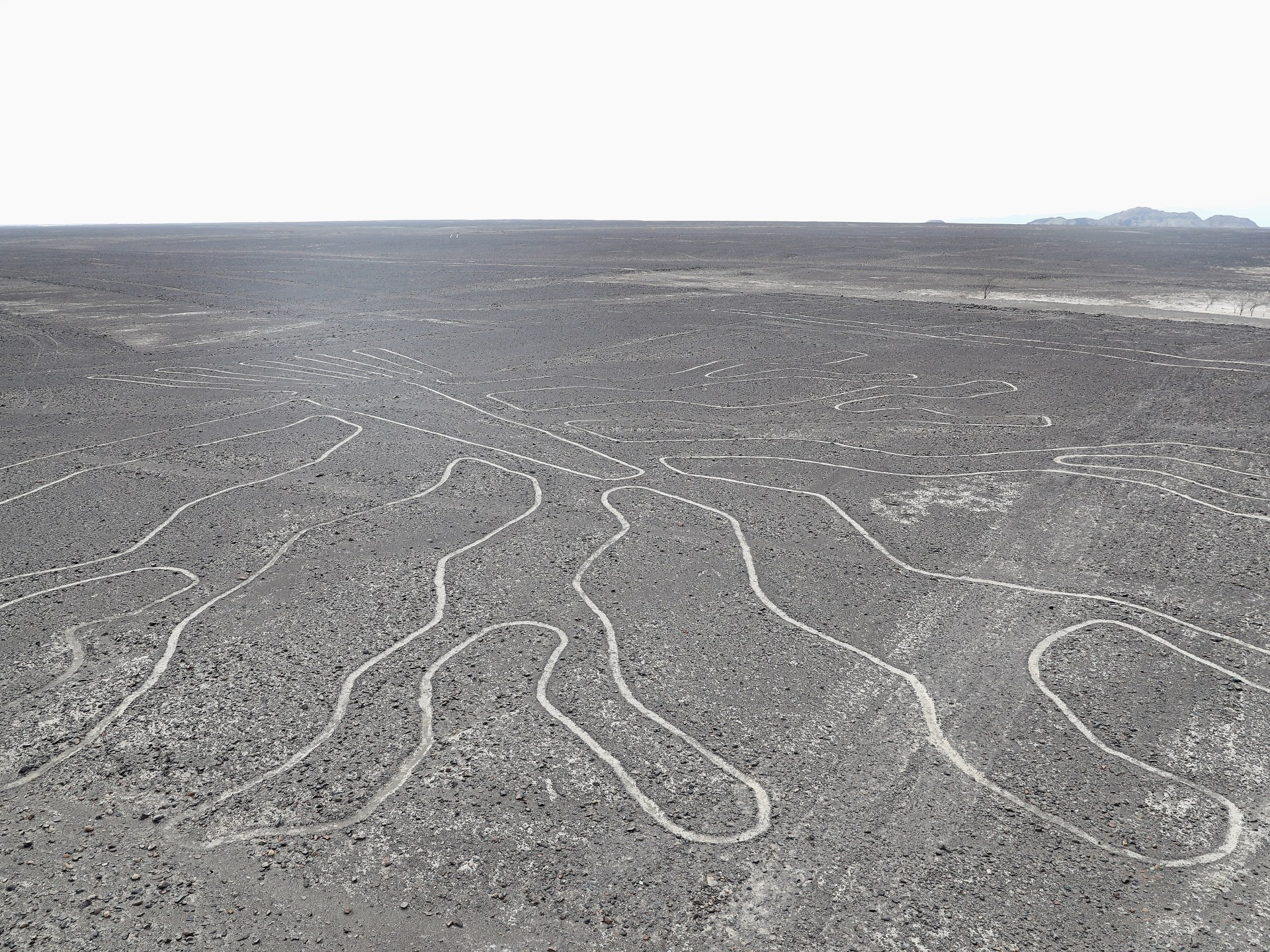
A small plane crash while touring the Nazca Lines in Peru has resulted in 13 fatalities, including tourists and crew.



Subscribe to
our news
Get the most important updates and top stories in your inbox.