




 World19 Jun 2026
Trump Under Pressure to Submit Iran Memorandum to Congress
Lawmakers urge Trump to submit an Iran memorandum to Congress, citing legal obligations under INARA amid calls for oversight.
Pressure on President Trump Regarding Iran Memorandum
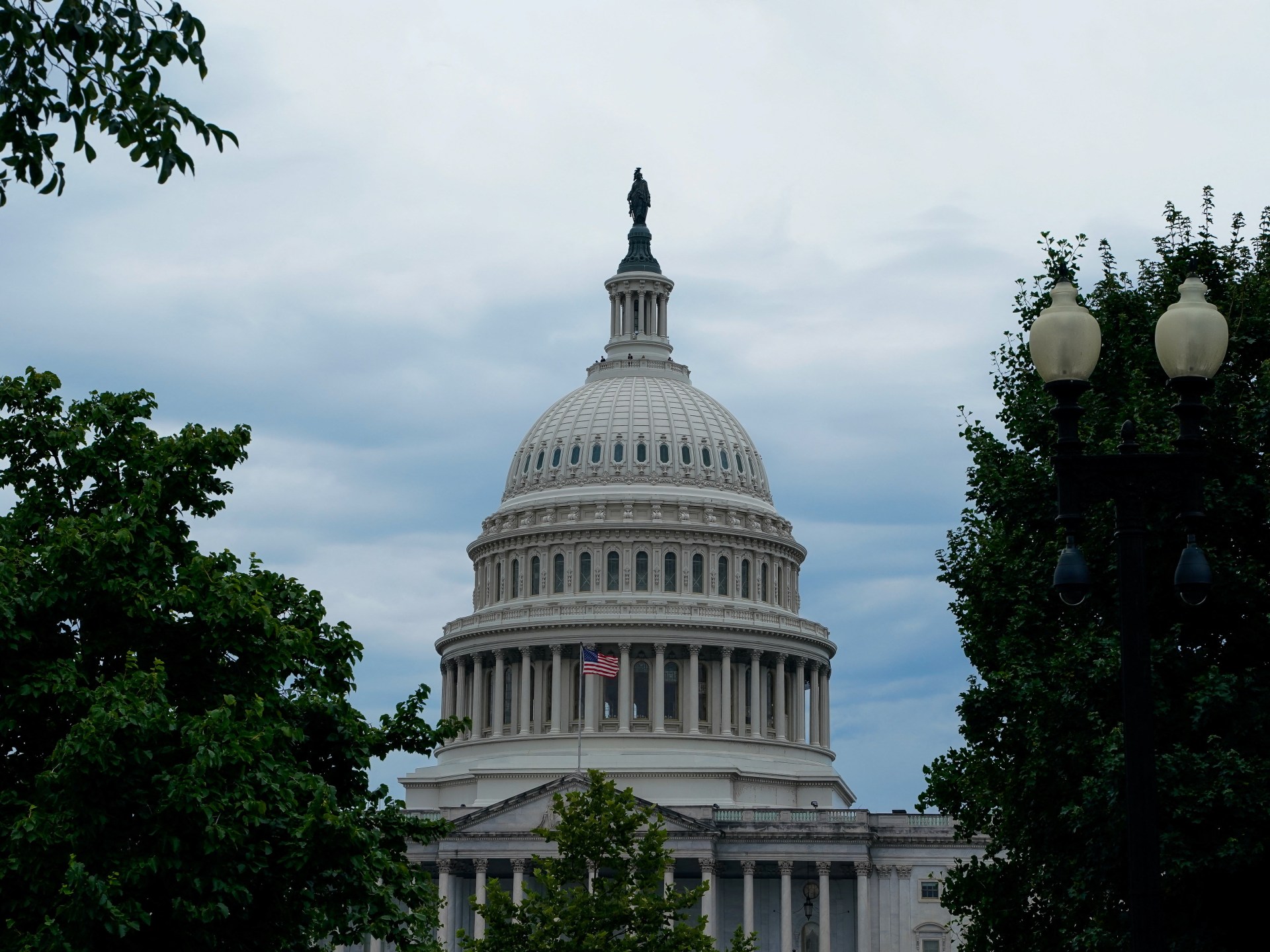
U.S. lawmakers and pro-Israel groups are pressing President Donald Trump to submit a recent memorandum of understanding regarding Iran to Congress. This demand is backed by the Iran Nuclear Agreement Review Act (INARA), a law that requires congressional assessment of agreements related to Iran's nuclear program.
Context of the Memorandum
The memorandum aims to formally conclude the ongoing U.S.-Israeli conflict with Iran, but critics are questioning the Republican Party's sudden emphasis on congressional authority, especially given its historical reluctance to involve Congress in military engagements against Iran.
Senator Lindsey Graham, a notable voice among those calling for congressional review, stated, "Under our law, any nuclear deal with Iran will be sent to Congress for review and a vote." This law was established during former President Barack Obama’s administration and continues to hold sway today.
Legal Framework of INARA
Passed in 2015, INARA stipulates that any agreement between the U.S. and Iran—irrespective of its binding nature—must be presented to Congress within five days of its signing, initiating a 30-day window for congressional scrutiny. Lawmakers can draft a joint resolution of disapproval to halt such deals, but any successful disapproval would require a two-thirds majority in both chambers to override a presidential veto.
The conditions of INARA also stipulate that the President cannot reduce sanctions in relation to Iran during this review period, complicating the current memorandum, which includes provisions for lifting sanctions against Iran’s fossil fuel sector.
Trump's Stance on INARA
Despite indicating a willingness to submit the memorandum for congressional review, the Trump administration has yet to take definitive action, and there is uncertainty regarding whether they believe the memorandum is subject to INARA. As the memorandum proposes various substantial changes, such as lifting the U.S. blockade on Iranian ports and facilitating negotiations on Iran’s nuclear program, experts remain divided about its legal standing.
Legal advisors and scholars from various political backgrounds, including Tess Bridgeman of the Obama White House and Harvard Law professor Jack Goldsmith, suggest that the memorandum likely does fall under INARA’s jurisdiction and should trigger its review process.
Congress and Oversight
There is robust debate among lawmakers, particularly within pro-Israel lobbying groups like the American Israel Public Affairs Committee (AIPAC), about the need for increased congressional oversight. While these groups supported Trump's military actions against Iran during the conflict, they are now simultaneously calling for Congress to play a role in shaping the terms of peace.
Some congressional leaders, including Democratic Senator Chris Van Hollen, have criticized Republican figures for their perceived hypocrisy in demanding congressional involvement now, after previously ignoring the institution’s role in authorizing military action against Iran.
As the congressional landscape grows increasingly contentious regarding the Iran memorandum, the question remains: will Trump comply with the legal requirements established by INARA?
Popular news
A small plane crash while touring the Nazca Lines in Peru has resulted in 13 fatalities, including tourists and crew.




Subscribe to
our news
Get the most important updates and top stories in your inbox.