




 Business15 May 2026
UAE Accelerates West-East Oil Pipeline Project to Bypass Strait of Hormuz
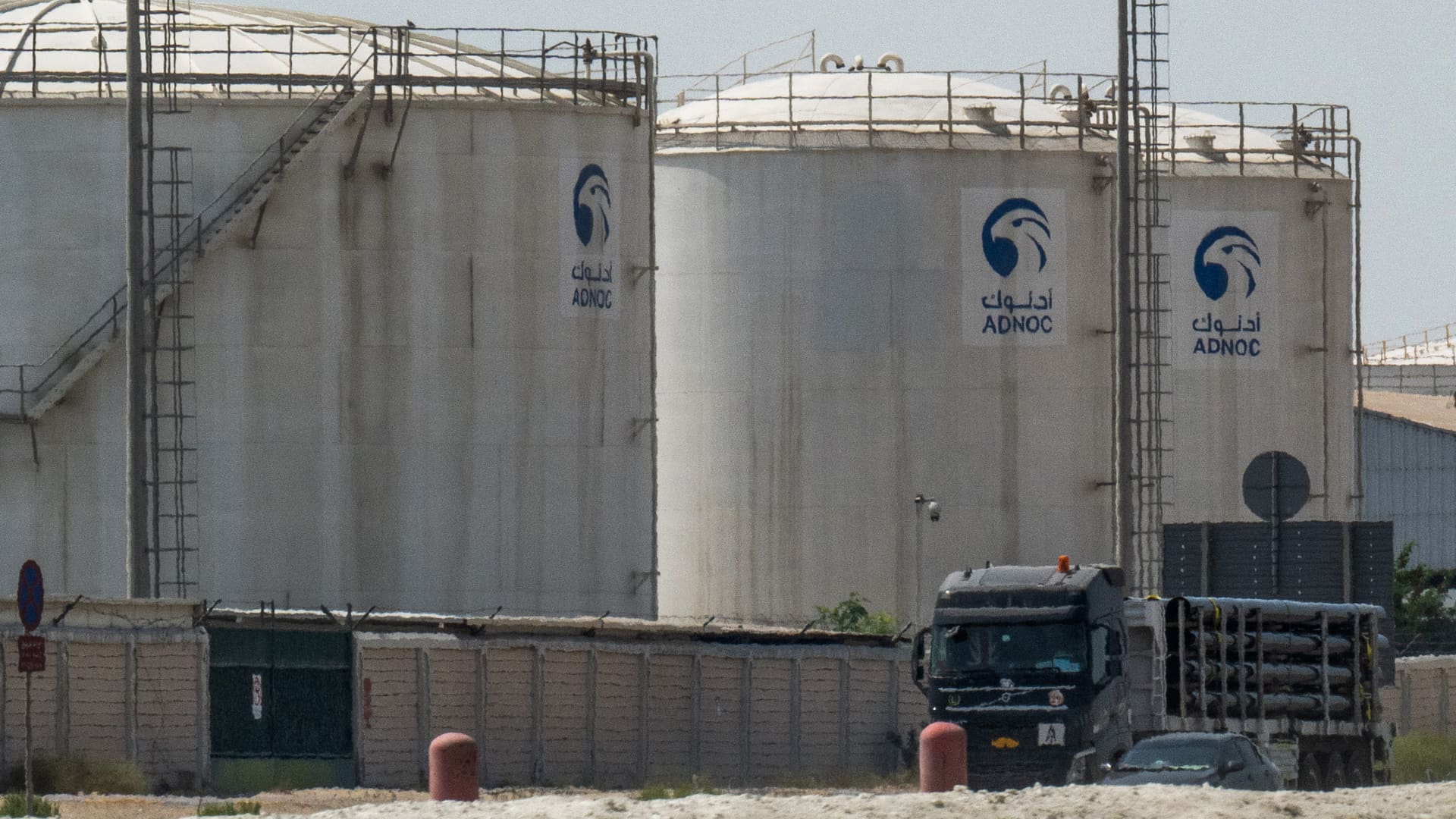
To bypass the Strait of Hormuz, the UAE is fast-tracking a new oil pipeline to Fujairah, doubling ADNOC's export capacity by 2027.
UAE Fast-Tracking New Oil Pipeline to Enhance Oil Exports
Abu Dhabi is urgently accelerating the construction of a second West-East oil pipeline, aiming to enhance its oil export capacity while bypassing the strategic Strait of Hormuz. The move comes amid rising global energy demands and ongoing geopolitical tensions that threaten the secure flow of oil exports from the region.
Project Overview and Significance
The new West-East pipeline is scheduled to be operational by 2027 and is set to double the export capacity of the Abu Dhabi National Oil Company (ADNOC). This significant infrastructure project is a response not only to the challenges of limited transportation routes through the Strait of Hormuz but also to the increasing global energy supply pressures. In recent statements, Crown Prince Sheikh Khaled bin Mohamed has emphasized the urgency of expediting this project to address the surging demand for energy worldwide.
The Crown Prince remarked during a recent meeting of ADNOC's executive committee that the company is "well positioned as a responsible and reliable global energy producer, with the operational flexibility to responsibly increase production to meet market needs when export constraints allow."
Context of Oil Production in the UAE
The strategic decision to accelerate pipeline construction coincides with the UAE’s announcement earlier this month regarding its departure from the Organization of the Petroleum Exporting Countries (OPEC). Having been a member since 1967, the UAE's exit underscores its intention to shift focus entirely towards expanding production capabilities, which have been significantly hindered by recent disruptions related to conflicts in the region.
Historically, before the outbreak of war, the UAE boasted production levels of slightly over 3 million barrels per day, aligning closely with OPEC+ targets. However, present-day production figures have plummeted to between 1.8 and 2.1 million barrels per day due to ongoing instability.
The Existing Pipeline
Currently, the only alternative for UAE’s oil exports that bypasses the Strait of Hormuz is the existing Abu Dhabi Crude Oil Pipeline (also known as the Habshan-Fujairah pipeline), which has the capacity to transport up to 1.8 million barrels per day. The development of this second West-East pipeline is crucial for the UAE’s strategic plans to secure its position in the global oil market and ensure a more reliable supply chain amid escalating tensions in the region.
Conclusion
As the UAE moves forward with the construction of the new pipeline, it aims not only to increase its output capacity but also to establish itself as a more autonomous player in the global energy market, significantly reducing reliance on the frequently threatened Strait of Hormuz. This initiative represents a pivotal shift in how the UAE manages its oil exports, reflecting its resolve to navigate current and future geopolitical challenges effectively.
Popular news
Netanyahu dismisses West Bank violence as actions of 'juvenile delinquents' during a UN speech, focusing on Israel's military success against Hezbollah.





Subscribe to
our news
Get the most important updates and top stories in your inbox.