




 Business02 May 2026
UAE Departs OPEC as Iran Faces Economic Challenges Amid Sanctions
UAE exits OPEC as Iran struggles economically under sanctions, while Exxon and Chevron report profit gains from oil price increases.
UAE Exits OPEC While Iran Faces Economic Struggles
The United Arab Emirates (UAE) has made a significant move by departing from the Organization of the Petroleum Exporting Countries (OPEC). This strategic exit comes at a time when Iran is feeling the economic sting of ongoing sanctions, which have severely impacted its oil production capabilities and overall economic stability.
Context of the Departure
The resignation from OPEC marks a pivotal moment for the UAE, which had been a crucial player within the organization for years. This decision aligns with the UAE's focus on maximizing its oil production and seeking to enhance its position in the global energy market amidst fluctuating demands and prices. The UAE's departure not only reflects its changing energy strategy but also highlights the broader implications for the oil markets, especially in the context of strained relations with Iran.
During this upheaval, major American oil companies such as Exxon Mobil Corp. and Chevron Corp. have reported earnings that exceeded analysts' expectations for the first quarter. These robust results are largely credited to increased oil and natural gas prices, which have managed to offset some of the production disruptions stemming from the turmoil in Iran.
Actions from Major Oil Companies
Exxon Mobil and Chevron's earnings announcements reveal how the global energy market can adapt even in the face of localized conflicts. As sanctions affect Iranian oil exports and production levels continue to drop due to geopolitical tensions, US companies are benefiting from the higher global prices of crude oil and natural gas. This situation illustrates the ongoing competition for market share and profitability in a landscape marked by volatility.
Future Implications for the Oil Market
The decision of the UAE to exit OPEC may prompt other member countries to reassess their own positions within the group. As Iran grapples with the fallout from sanctions, the landscape of energy supply could shift, potentially leading to increased prices and a reevaluation of alliances in the oil sector.
This scenario emphasizes the interconnectedness of geopolitical stability and energy pricing, and how events in one region can ripple through the global market.
In summary, the changing dynamics within OPEC, the impact of sanctions on Iran, and the strong financial performance of major oil corporations illustrate the complex interplay of economics, politics, and energy in today's world.
Popular news
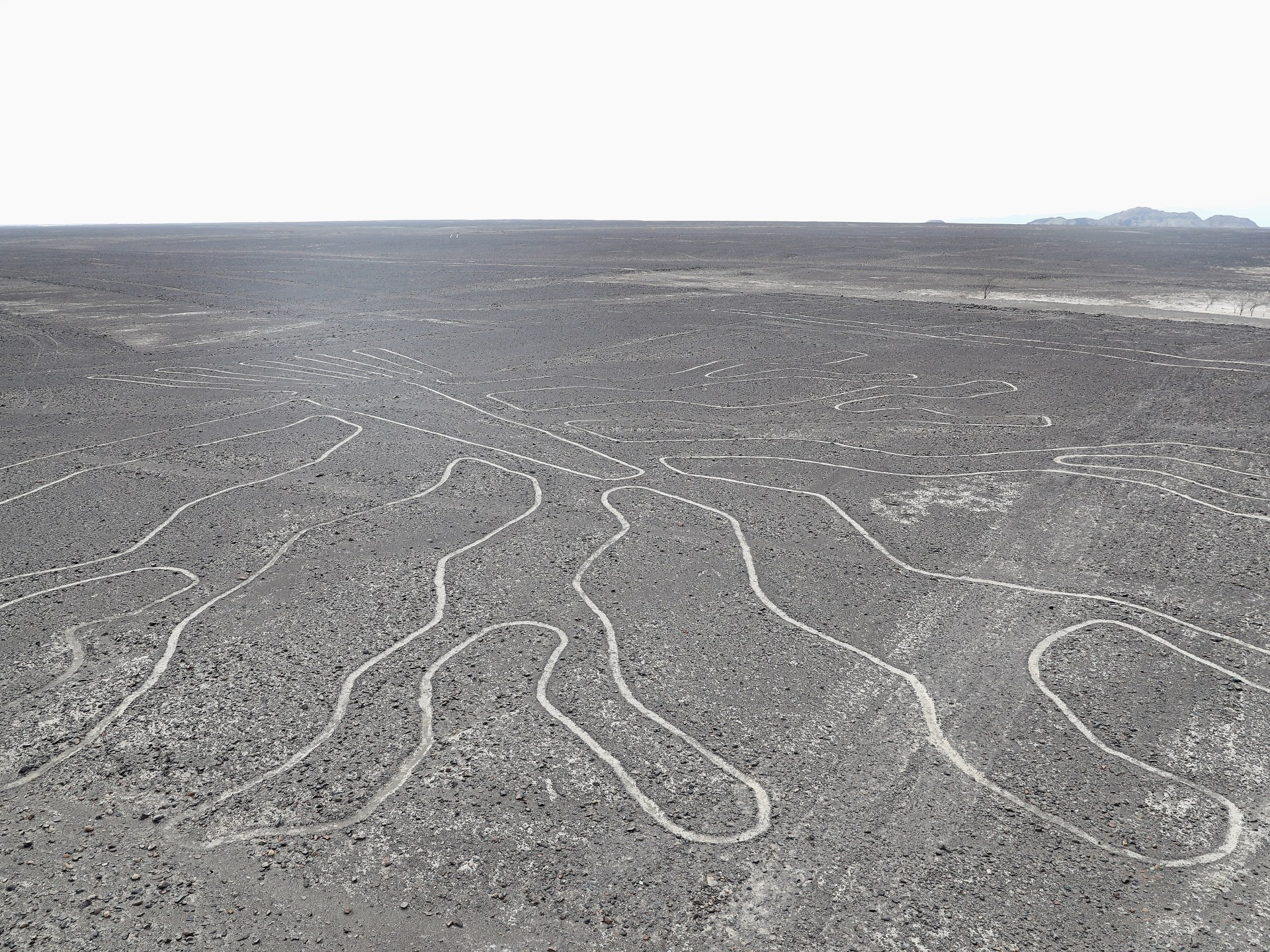
A small plane crash while touring the Nazca Lines in Peru has resulted in 13 fatalities, including tourists and crew.



Subscribe to
our news
Get the most important updates and top stories in your inbox.