




 Business29 Apr 2026
UAE’s Surprising Exit from OPEC Alters Global Oil Landscape
The UAE's exit from OPEC shakes up the oil market, threatening a drop in OPEC's production share below 30%.
UAE's Exit from OPEC: A Game-Changer for the Oil Market
The announcement of the United Arab Emirates' (UAE) departure from the Organization of the Petroleum Exporting Countries (OPEC) has sent shockwaves throughout the global oil industry. This surprising decision could potentially reduce OPEC's market share to below 30% for the first time in history. With its ability to significantly increase production, the UAE has made clear its intention to boost output beyond its previous OPEC+ quotas.
Implications of the Exit
Analysts suggest that although OPEC's overall influence may diminish, Saudi Arabia's spare production capacity will continue to provide the group with substantial leverage over global oil prices. Historically, OPEC has been a powerful player in the oil sector, controlling more than 50% of world production in the 1970s. Now, with the UAE's exit, OPEC will hold approximately 28% of the global market, supplemented by the additional 14% from the broader OPEC+ alliance. This leaves non-OPEC nations, predominantly the US, controlling the remaining 58%.
The UAE's Production Potential
With the exit from OPEC, the UAE is anticipated to ramp up its oil production significantly. Reports indicate that production could soar to over 4 million barrels per day in the near future, compared to its previous quota of approximately 3.3 million barrels per day. The UAE has heavily invested in expanding its oil output capabilities, and this strategic move may position the nation as a major player outside the constraints set by the OPEC+ agreement.
Market Reactions and Future Projections
The oil market's response to the UAE's radical decision is likely to oscillate as geopolitical tensions and supply dynamics continue to evolve. Industry analysts are watching closely, as fluctuations in oil prices are expected, especially in response to variables such as Middle Eastern geopolitics and regional conflicts. According to Bank of America, Brent crude could average around $92.50 per barrel this year, depending on the stability of oil flows from the region.
Moreover, major firms like Goldman Sachs are adjusting their forecasts upward, indicating a new normal for oil prices, especially given the decrease in Persian Gulf output. As the situation unfolds, investing in oil tankers and related logistics could prove profitable due to increased shipping traffic.
In conclusion, while the UAE's exit marks a significant moment in OPEC’s history, the cartel, led by Saudi Arabia, still possesses considerable capacity to influence the market. The coming months will be crucial as the industry adjusts to these developments and navigates the complexities of a changing global oil landscape.
Popular news
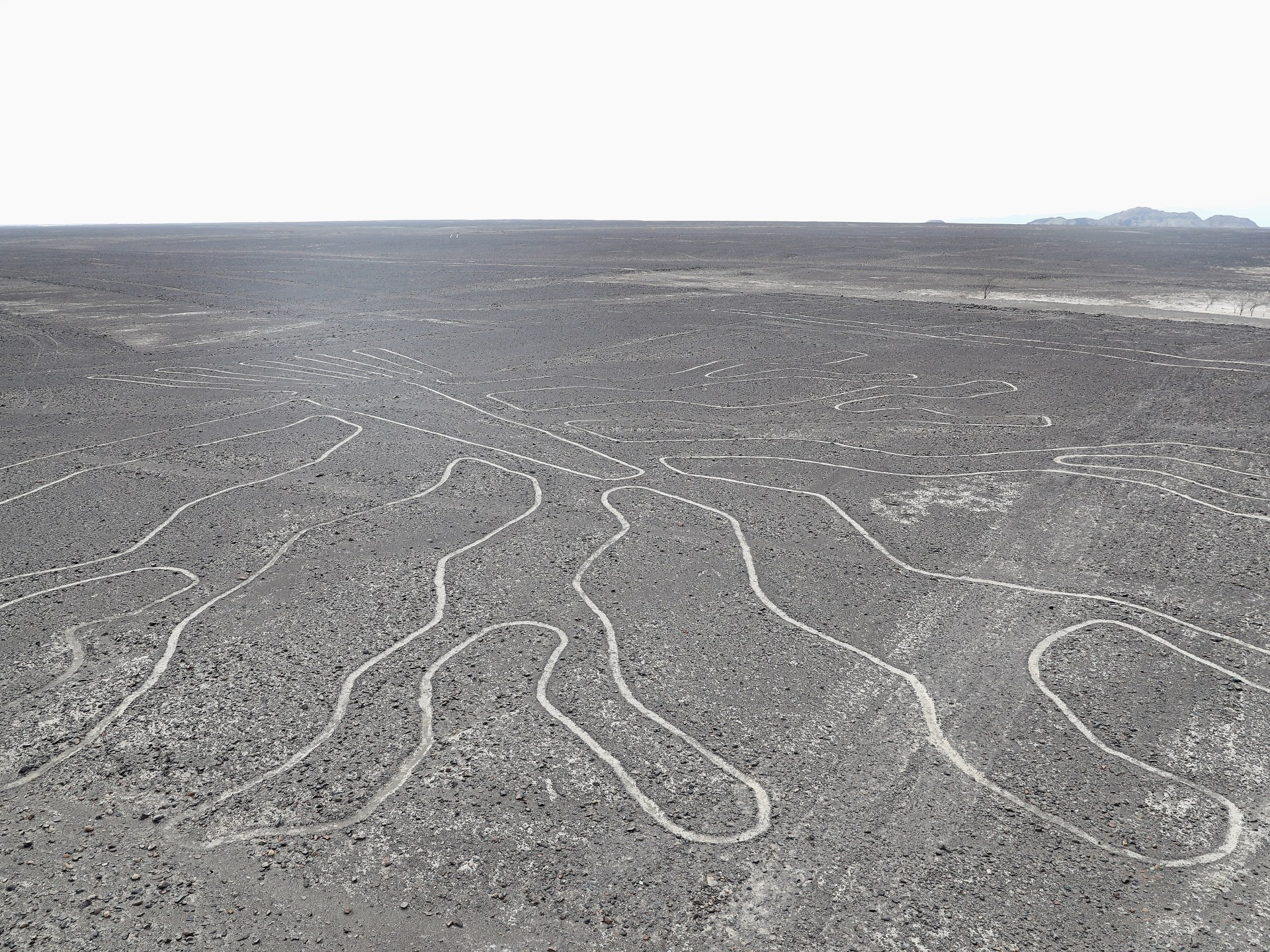
A small plane crash while touring the Nazca Lines in Peru has resulted in 13 fatalities, including tourists and crew.




Subscribe to
our news
Get the most important updates and top stories in your inbox.