




 World16 Apr 2026
UK Faces Potential Carbon Dioxide Shortages Amid Rising Tax Burden and Military Monitoring
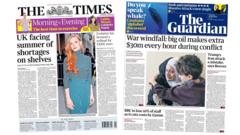
UK farming and hospitality sectors may suffer CO₂ shortages; IMF warns tax burdens will soar. Iran allegedly monitors US with a Chinese satellite.
Overview of Current Challenges in the UK
The United Kingdom is confronting a confluence of challenges, including projected carbon dioxide shortages, skyrocketing tax burdens, and heightened military tensions in the Middle East. These issues were highlighted in various reports from major news outlets, painting a complex picture of the country's socio-economic landscape.
Carbon Dioxide Shortages Looming
According to a report by The Times, officials have identified that the agricultural and hospitality sectors are among the most vulnerable to potential shortages of carbon dioxide (CO₂). These concerns stem from disruptions in the Strait of Hormuz and ongoing challenges in gas production. CO₂ is vital for numerous processes, particularly in the slaughtering of livestock; it is essential for processing nearly all pigs and for a significant portion of chicken production in the UK. A senior government official emphasized that the recent planning scenarios are precautionary rather than predictive, suggesting that while the situation requires attention, it does not currently indicate an impending food crisis.
Rising Tax Burdens Prompted by IMF Forecasts
Meanwhile, the Daily Telegraph reports on a stark forecast from the International Monetary Fund (IMF), which projects that the UK's tax burden will rise to exceed 40% of gross domestic product (GDP) by the early 2030s, marking an unprecedented level during peacetime. This anticipated tax increase underscores growing fiscal pressures on both the public and private sectors, as the government grapples with budget management and public service funding.
Military Surveillance Accelerated by Iranian Capabilities
In a troubling development, The Financial Times has noted that Iran has acquired a Chinese-built surveillance satellite, reportedly using it to monitor US military bases in the Middle East. This situation raises alarms not just regarding Iranian intentions towards its Gulf neighbors—who primarily sell oil to China—but also regarding the geopolitical ramifications of China's involvement in the region. China has denied these allegations, labeling the report as inaccurate.
Oil Profits Surge Amid Global Tensions
Further complicating the economic narrative, The Guardian reports that the world’s largest oil and gas companies have seen significant profit increases, totaling approximately $23 billion in March alone. This substantial financial gain, described as a "war windfall," reflects the global energy market's volatility amidst ongoing conflicts.
LIV Golf Faces Financial Turmoil
On a separate note, reports suggest that the LIV Golf tour is facing urgent financial difficulties, with its Saudi backers indicating a potential withdrawal of support. According to The Daily Telegraph, emergency discussions among senior executives have been convened in Manhattan to strategize on navigating this precarious situation.
Infrastructure Concerns Highlighted by Transport Issues
In lighter yet concerning news, the Sun has reported that the UK's Transport Secretary encountered transportation challenges when her vehicle suffered damage due to a pothole, described as a significant hazard. This incident has led to calls for broader attention to infrastructure issues affecting citizens across the country.
Conclusion
The interplay of these factors—from agricultural vulnerabilities to economic forecasts and international military dynamics—underscores the multifaceted challenges facing the UK. As these issues progress, they will likely have far-reaching implications for both domestic policies and international relations.
Popular news
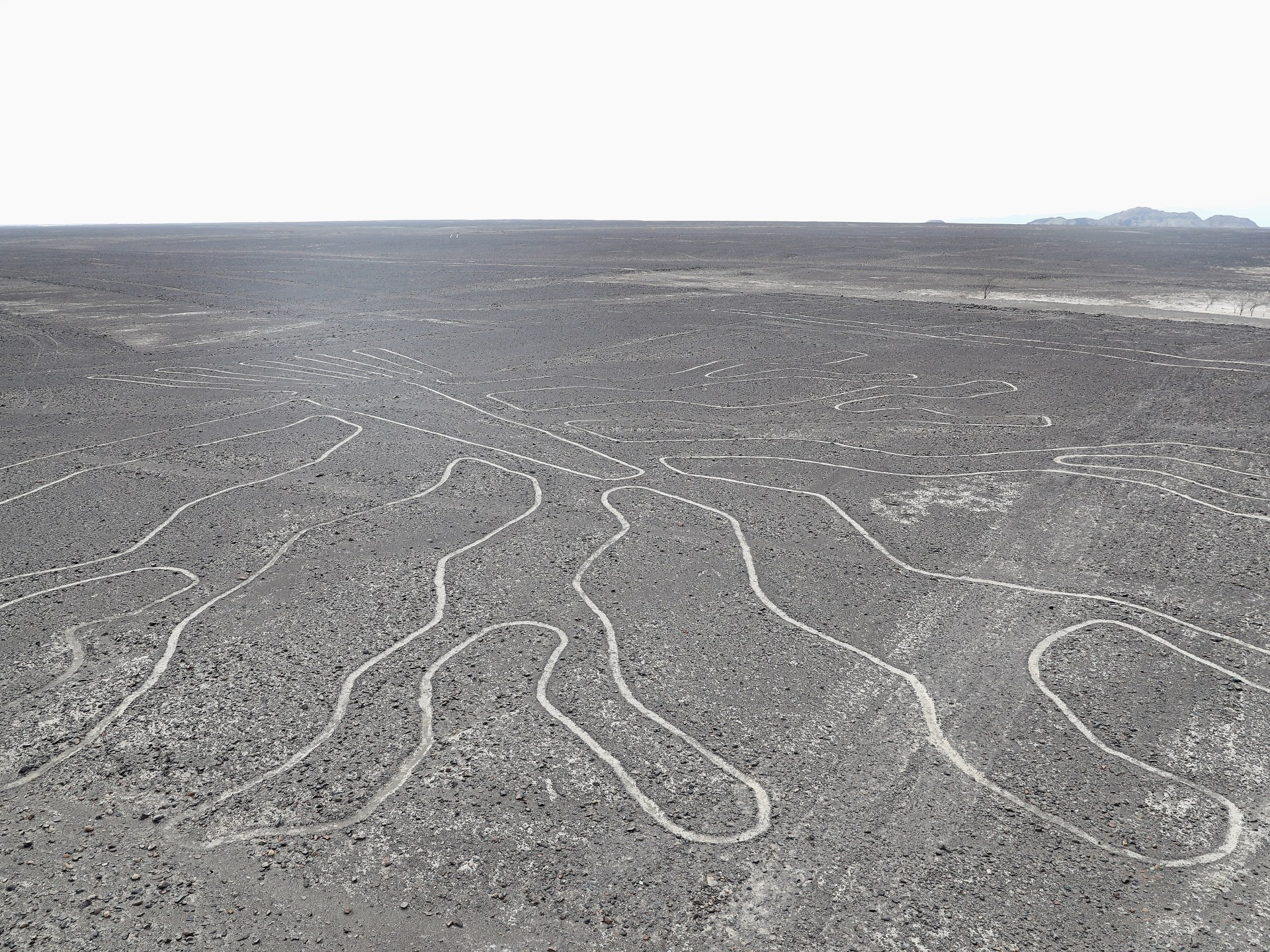
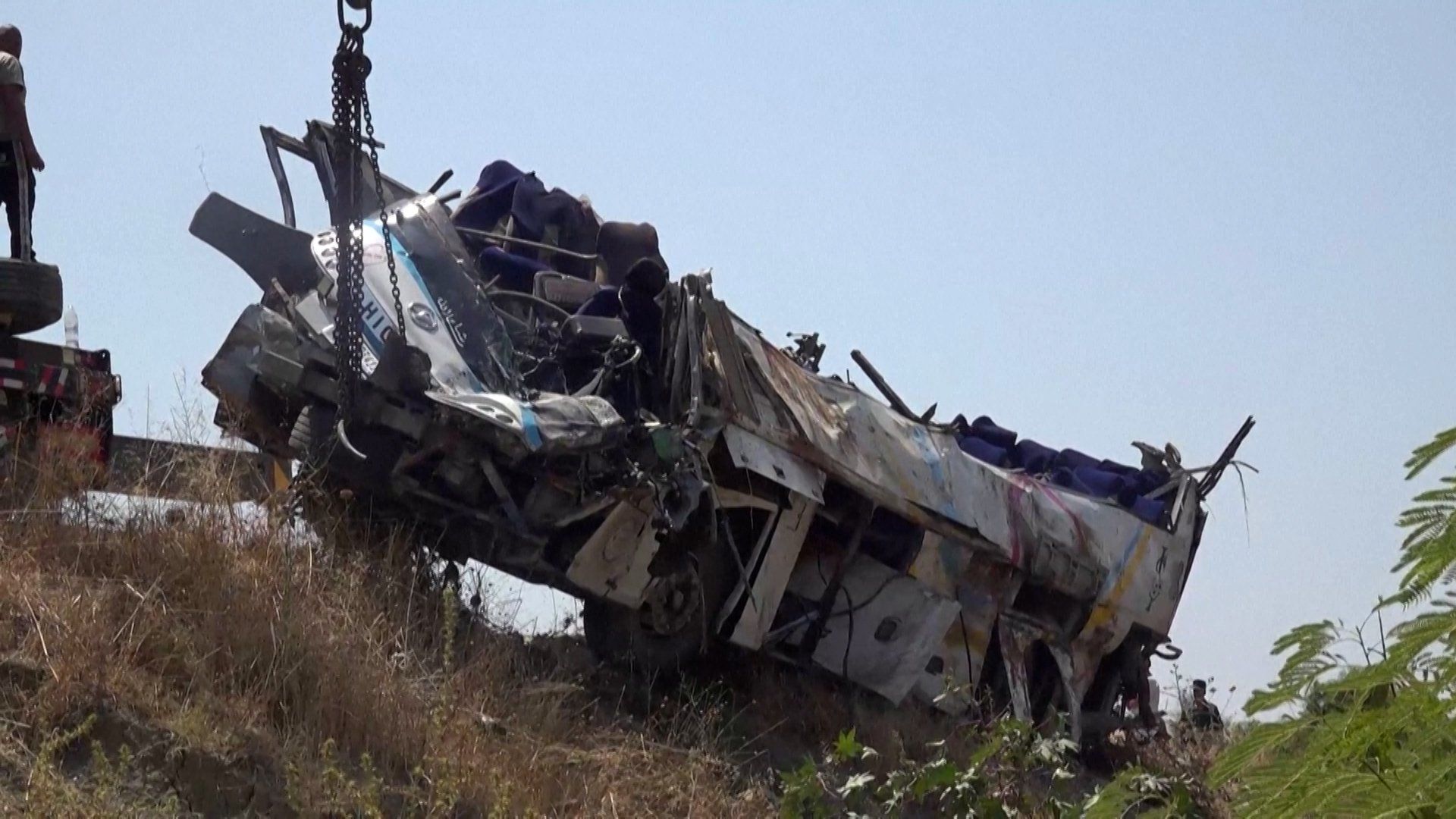
A small plane crash while touring the Nazca Lines in Peru has resulted in 13 fatalities, including tourists and crew.



Subscribe to
our news
Get the most important updates and top stories in your inbox.