




 World15 May 2026
Ukraine: European Nations Move to Establish Tribunal to Prosecute Russia
34 European nations and allies join forces to establish a tribunal aimed at holding Russia accountable for war crimes in Ukraine.
European Coalition Unites for Justice
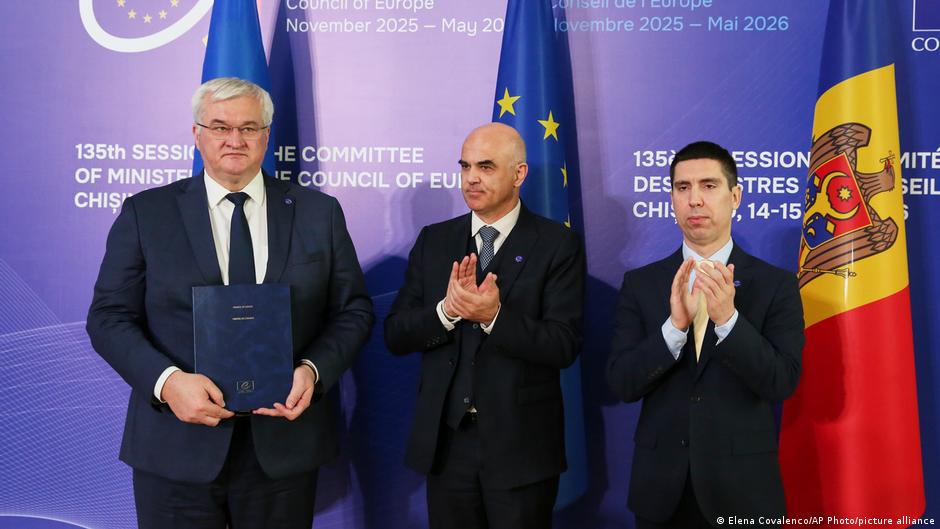
In a significant political move, 34 European countries, along with representatives from Australia, Costa Rica, and the European Union, have agreed to form a special tribunal to prosecute Russia for its actions in Ukraine. This development emerged from discussions held in Moldova, as world leaders seek to ensure accountability for war crimes committed during the ongoing conflict.
President Volodymyr Zelenskyy of Ukraine previously signed an agreement with the Council of Europe aimed at operationalizing this initiative, which has been under consideration since Russia's full-scale invasion began in 2022.
Details of the Tribunal Agreement
At a recent meeting involving most of the 46 member states of the Council of Europe, a crucial resolution was passed that establishes the groundwork for the tribunal. Alain Berset, the Council's Secretary General, emphasized the urgency of the initiative. "The time for Russia to be held to account for its aggression is fast approaching," he stated, highlighting the importance of acting quickly to ensure the tribunal's effective establishment and funding.
Foreign Minister Andrii Sybiha of Ukraine characterized the event as a pivotal moment, likening it to the historic Nuremberg trials that followed World War II. "Just like those trials, this Special Tribunal in The Hague will restore justice from the ruins of war," Sybiha remarked, underlining the commitment to accountability that the tribunal symbolizes.
Netherlands to Host Initial Tribunal Phase
The Netherlands has volunteered to host the initial phase of the tribunal in The Hague, home to numerous international legal bodies, including the International Criminal Court (ICC). Dutch Foreign Minister Tom Berendsen noted, "The road to justice for Ukraine is long and far from easy, but we must do everything in our power to help achieve this."
However, questions remain about how the tribunal will enforce its rulings given Russia's historical non-cooperation with international judicial processes. The ICC has already issued arrest warrants for key Russian officials, but enforcing these mandates poses significant challenges.
Distinction from International Criminal Court
The new tribunal will focus on prosecuting broader issues related to Russia's invasion, which may extend beyond the ICC's jurisdiction. This includes questions of state culpability and reparations—areas where the ICC may lack authority.
While 12 Council of Europe member states have not yet pledged their support for the initiative, the overwhelming agreement among those participating marks a notable step in international efforts toward justice for the conflict in Ukraine.
Urgent Context for the Tribunal's Establishment
This agreement comes just after a devastating missile strike in Kyiv, which killed 24 individuals, including children. In light of this tragedy, President Zelenskyy and Foreign Minister Sybiha stressed the imperative for swift action and accountability.
"We have no moral right to fail. They deserve justice," Sybiha affirmed, as the need for the tribunal's establishment is further reinforced by the ongoing violence and suffering in Ukraine.
The establishment of the tribunal signifies a critical moment for international law and the fight against impunity for war crimes. This coalition of nations is determined to ensure that the voices of victims are heard and justice is pursued.
As the initiative unfolds, global attention will undoubtedly remain focused on the tribunal's impact and effectiveness in addressing the myriad challenges posed by the Russian aggression against Ukraine.
Popular news
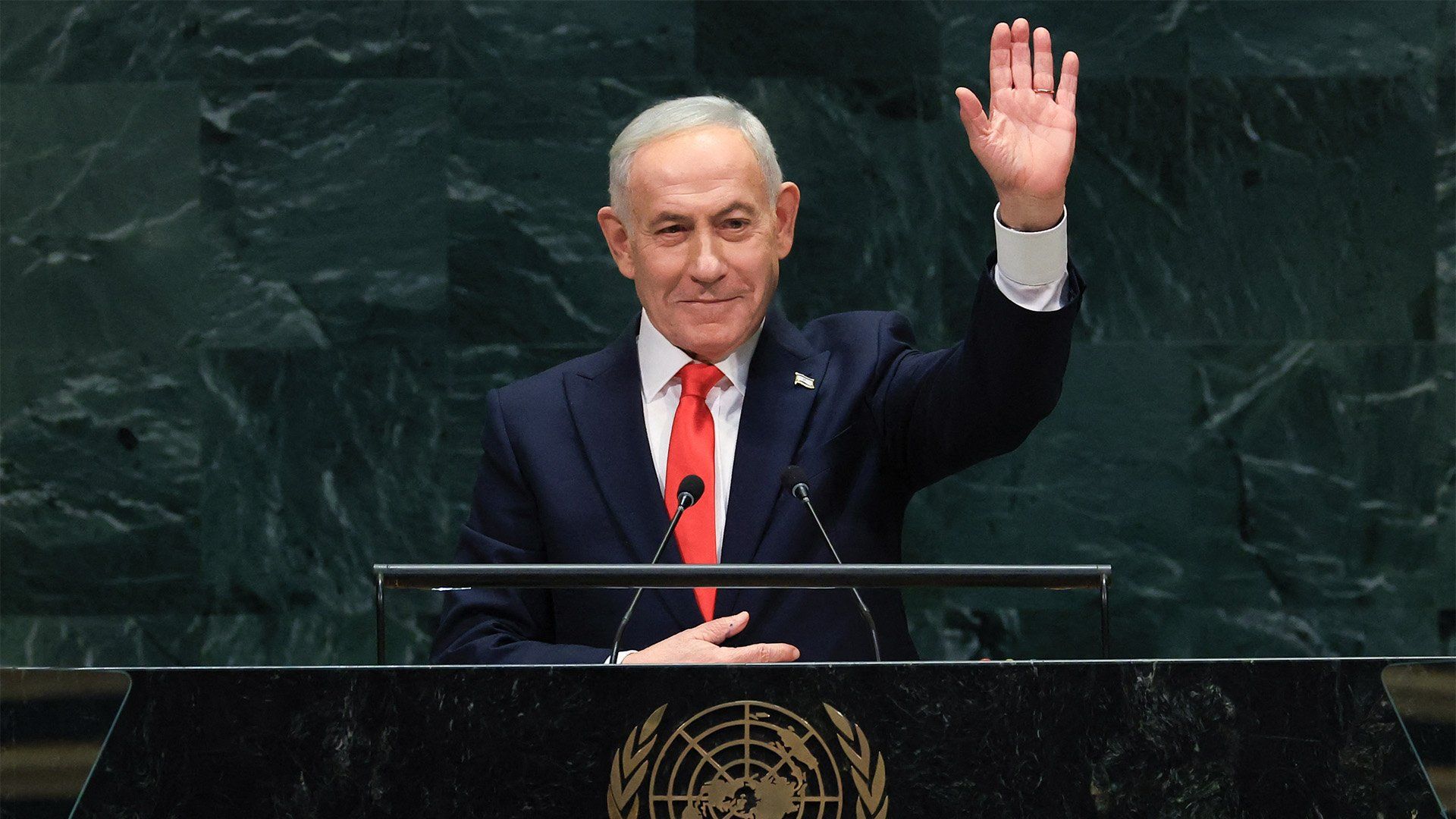
Netanyahu dismisses West Bank violence as actions of 'juvenile delinquents' during a UN speech, focusing on Israel's military success against Hezbollah.
Subscribe to
our news
Get the most important updates and top stories in your inbox.