




 Health24 Apr 2026
Understanding Antibody-Based Malaria Prevention in High Transmission Areas
Antibody-based prevention strategies are critical for tackling malaria in young children in sub-Saharan Africa.
Introduction
Malaria continues to pose a significant health threat in sub-Saharan Africa, with Plasmodium falciparum being the most fatal strain. The disease primarily affects young children, who represent a vulnerable demographic in this ongoing health crisis. Despite remarkable strides in malaria control over the past two decades, the fight against malaria requires a comprehensive approach that combines various strategies.
The Challenge of Malaria in Sub-Saharan Africa
The incidence of malaria remains alarmingly high, particularly in regions characterized by intense perennial transmission. Young children are at the greatest risk, with malaria accounting for substantial morbidity and mortality within this age group. The complexity of malaria’s lifecycle necessitates a multifaceted approach to elimination, as no single strategy will suffice.
Current Interventions
Traditionally, efforts to curb malaria transmission have focused on three main pillars:
- Vector Control: Utilizing insecticide-treated bed nets and indoor residual spraying to reduce mosquito populations.
- Chemoprevention: Administering antimalarial medications to at-risk populations, particularly young children, during peak transmission seasons.
- Vaccination: Developing and deploying effective malaria vaccines to provide a long-term solution.
Promising New Strategies
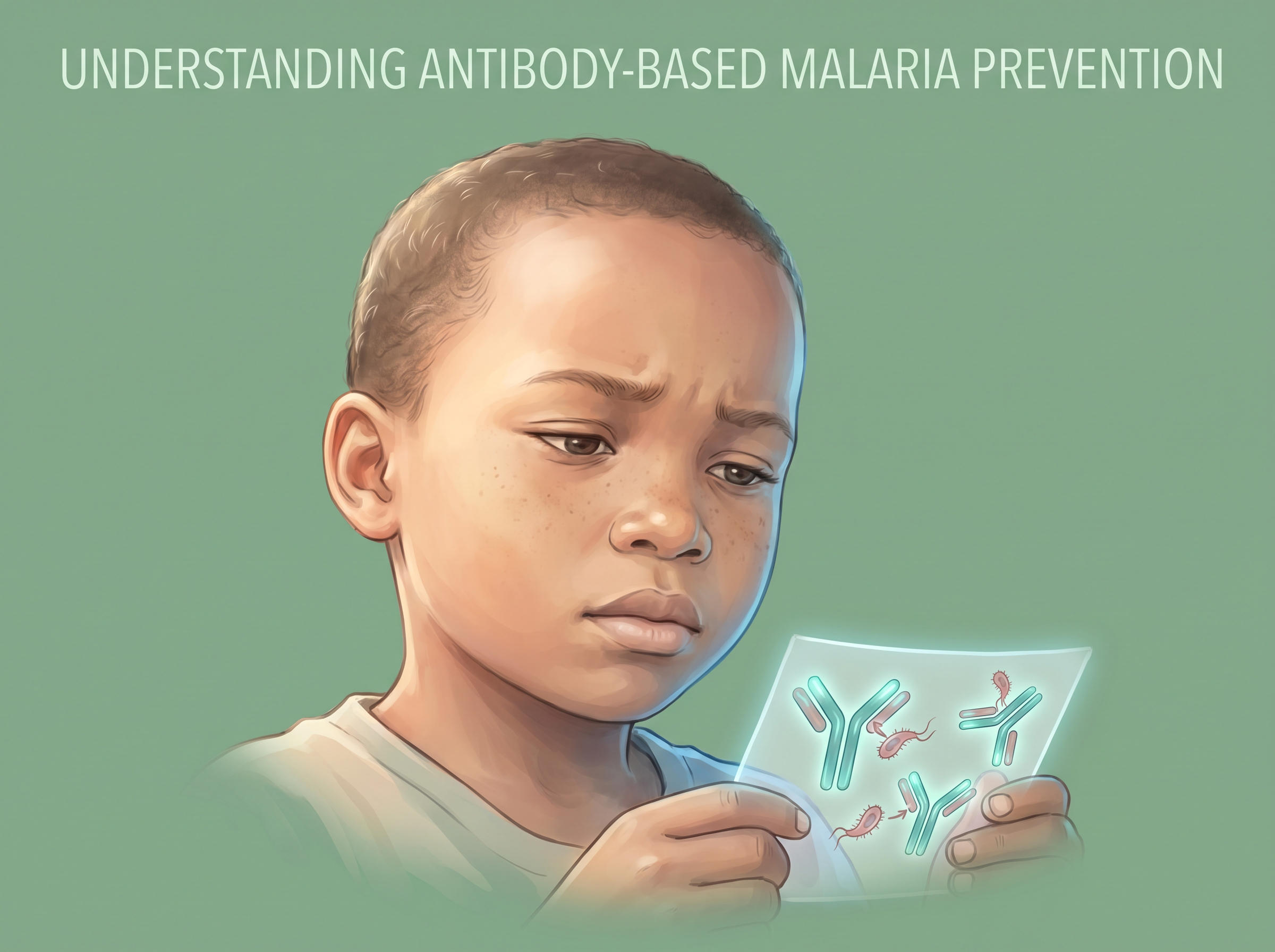
Recent research highlights the potential of antibody-based prevention methods. The use of monoclonal antibodies that specifically target antigens from the Plasmodium parasite presents a promising avenue for enhancing malaria prevention efforts. These antibodies can offer passive immunity, thereby presenting an additional layer of defense against the disease.
Monoclonal Antibodies: A New Frontier
Monoclonal antibodies work by binding to specific markers on the malaria parasite. By doing so, they can neutralize the parasite or mark it for destruction by the immune system. This innovative approach could significantly reduce the incidence of malaria, particularly in settings with high transmission rates. Integrating these antibodies into existing malaria control strategies could yield important results for public health.
Conclusion
To achieve the goal of malaria elimination, especially in sub-Saharan Africa, it is essential to adopt a holistic strategy that incorporates novel prevention methods. Antibody-based interventions represent an exciting frontier in the quest to control malaria, complementing established measures and providing hope for future generations. By investing in these innovative strategies, health authorities can enhance protection for the most vulnerable, particularly young children, paving the way for a malaria-free future.
Popular news
A small plane crash while touring the Nazca Lines in Peru has resulted in 13 fatalities, including tourists and crew.





Subscribe to
our news
Get the most important updates and top stories in your inbox.