




 Sport10 Jun 2026
Understanding Overtime in the 2026 FIFA World Cup
Discover how extra time and penalty shootouts will work in the 2026 FIFA World Cup knockout rounds.
Overview of the 2026 FIFA World Cup
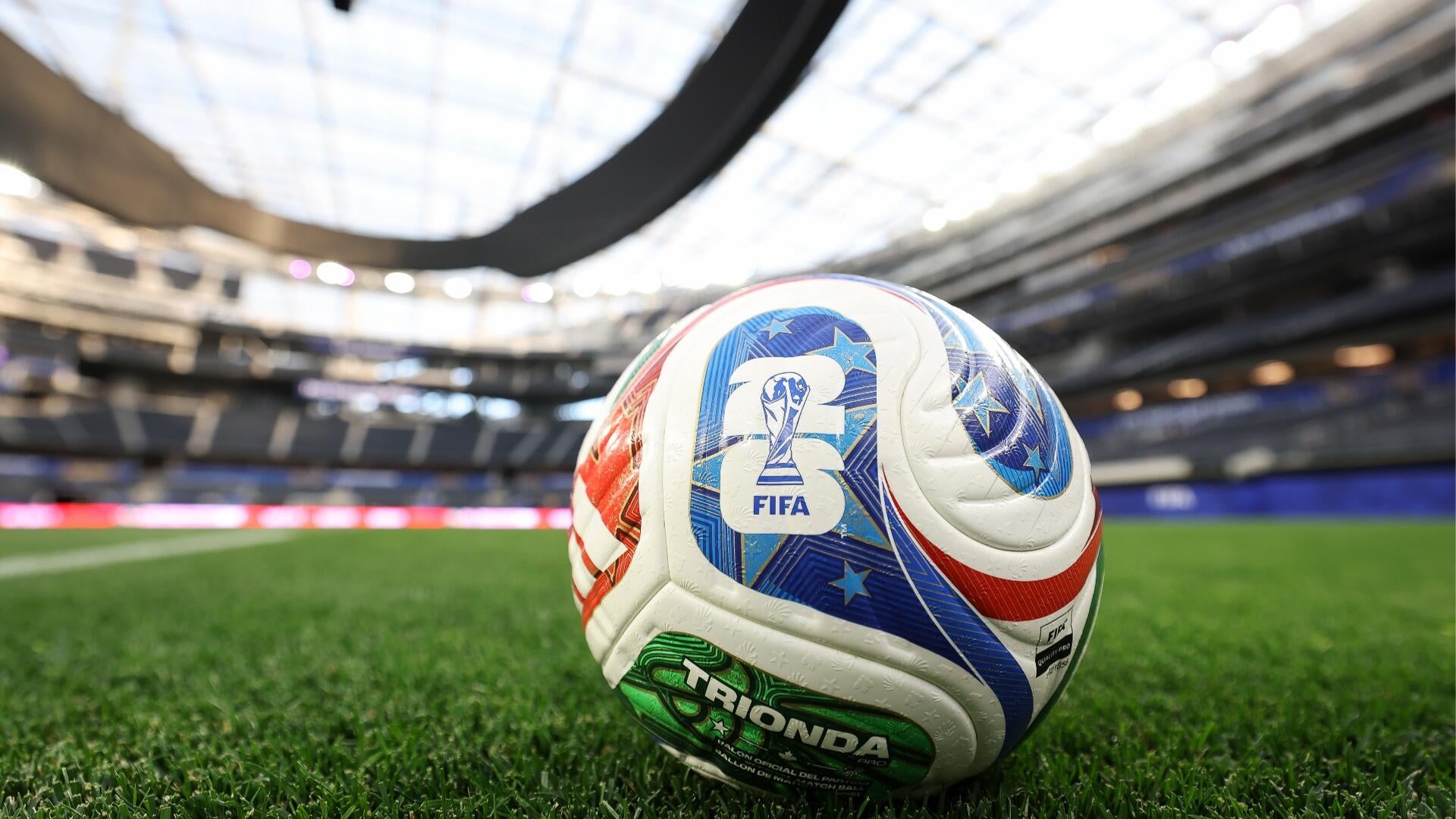
The highly anticipated 2026 FIFA World Cup is set to kick off on Thursday, featuring an unprecedented 48 teams. This tournament promises exciting matches, leading to the final showdown on July 19. Fans tuning in for the first time should be aware of some critical rules, especially regarding how tied games are handled in the knockout rounds.
Group Stage Dynamics
During the group stage, teams will compete in 12 groups consisting of four teams each. In this initial phase, matches can end with a win, loss, or draw, with no additional time played. Points are awarded based on match outcomes: three points for a win, one point for a draw, and no points for a loss. This format allows teams to secure their standings without the pressure of overtime during group play.
The Transition to Knockout Rounds
Once the group stage concludes, the tournament transitions to knockout rounds, which will see the top teams compete fiercely where one loss will eliminate them from the tournament.
Rules of Overtime
In the knockout rounds, should a match end in a tie after the standard 90 minutes, the game will progress to extra time. This consists of two 15-minute halves, played in full, without the Golden Goal rule. The Golden Goal rule, which allowed for a sudden-death finish where the next goal decided the game, was removed after the 2002 FIFA World Cup.
Each extra time period is significant because teams will have the chance to score multiple goals, and both halves will always be played out in their entirety to determine a clear winner. Additionally, each team is allowed one extra substitution during this time, which could be crucial in extending the team’s performance.
Deciding the Match through Penalties
If the score remains tied even after the extra time, the match will then be decided by a penalty shootout. This is a high-pressure scenario where teams will face off one-on-one against the opposing goalkeeper, and only the team that successfully scores more penalties advances in the tournament. This tension-filled method was famously showcased in the 2022 final, where Argentina triumphed over France after a dramatic series of penalties.
As fans prepare for the excitement of the tournament, understanding these overtime rules will enhance their viewing experience and provide insight into how critical moments in matches can unfold as teams vie for soccer's most coveted trophy.
Popular news
New York has declared a disaster emergency over rising measles cases, especially among under-immunized populations, with 108 confirmed cases.



Subscribe to
our news
Get the most important updates and top stories in your inbox.