




 World03 May 2026
US Greenlights $8.6 Billion Arms Sale amid Escalating Conflict in Middle East
The U.S. has authorized an $8.6 billion arms sale to Middle Eastern allies, citing emergency reasons linked to the ongoing conflict with Iran.
Introduction
The United States has approved a substantial arms deal totaling $8.6 billion to bolster its allies in the Middle East, amid rising tensions with Iran. This decision, made without the usual Congressional approval, underscores the urgency perceived by U.S. authorities as military conflicts escalate in the region.
Details of the Arms Sales
Emergency Justification
According to U.S. Secretary of State Marco Rubio, the fast-tracked sales were necessitated by emergency circumstances, allowing for the bypassing of the congressional review process mandated by the Arms Export Control Act. This measure aligns with the ongoing conflict involving U.S. forces and their allies against Iranian military capabilities, highlighting the immediate need for enhanced defense systems in the region.
Components of the Sales
The approved package includes advanced military systems designed to strengthen air defense and precision strike capabilities. Notably:
- Israel will receive approximately $992 million for an Advanced Precision Kill Weapon System (APKWS) and related equipment.
- Kuwait has been authorized to purchase battle command systems at a cost of $2.5 billion to bolster its air defense.
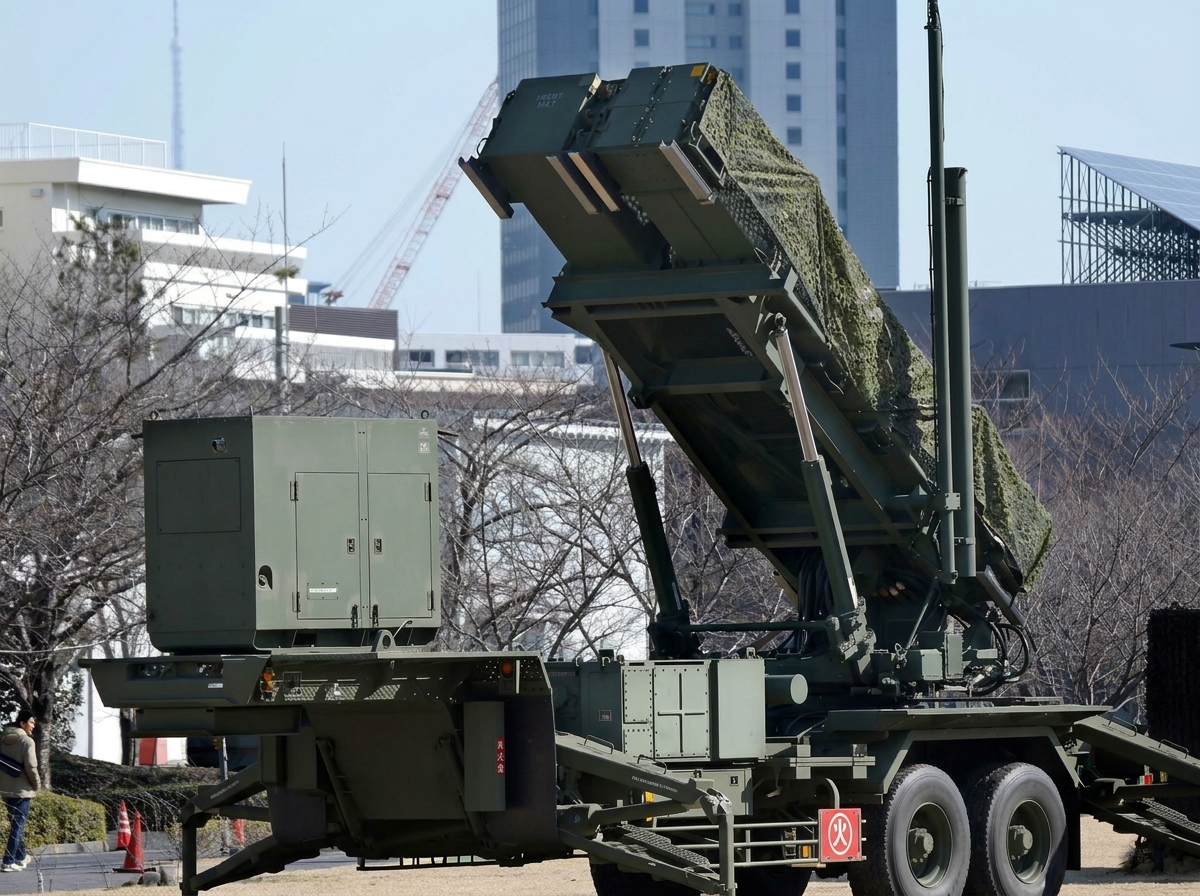
- Qatar is set to acquire an APKWS and replenish its Patriot air and missile defense systems, totaling nearly $5 billion.
- United Arab Emirates (UAE) will receive an APKWS valued at $148 million.
These systems are crucial as missile and drone attacks from Iran have intensified since the outbreak of hostilities late February, significantly depleting the stockpiles of U.S. weapons and stressing defensive infrastructures in Israel and Gulf states.
Broader Implications
Military Operations and Stockpile Concerns
The significant utilization of U.S. weaponry in ongoing conflicts raises concerns about future military readiness, particularly regarding potential confrontations with nations like China. A report by the Center for Strategic and International Studies indicated that while current stockpiles may suffice for the conflict with Iran, they fall short of what would be necessary for a larger-scale confrontation with an adversary such as China.
“Prewar inventories were already insufficient; the levels today will constrain U.S. operations should a future conflict arise,” the report remarked, indicating a pressing need for strategic reassessment within U.S. military supply chains.
Previous Arms Sales
This recent approval follows an earlier authorized arms sale of $16.5 billion to the UAE, Kuwait, and Jordan in March, which included drones, missiles, F-16 aircraft, and advanced radar systems. These previous sales underscore the U.S. commitment to strengthening its alliances in a volatile region as it addresses immediate military needs and long-term strategic objectives.
Conclusion
As the geopolitical landscape continues to shift under the pressures of ongoing conflicts, the U.S. remains resolute in its support for its Middle Eastern allies through substantial military aid. However, questions regarding military readiness and stockpile availability loom large as tensions with adversaries like Iran and China escalate.
Popular news
A small plane crash while touring the Nazca Lines in Peru has resulted in 13 fatalities, including tourists and crew.





Subscribe to
our news
Get the most important updates and top stories in your inbox.