





 Business25 Apr 2026
US Marine Corps Seizes Iranian Vessel M/V Touska Amid Blockade
The U.S. seizes the M/V Touska, raising questions about ancient prize law and its implications for maritime conflicts and shipping insurance markets.
U.S. Seizure of the M/V Touska
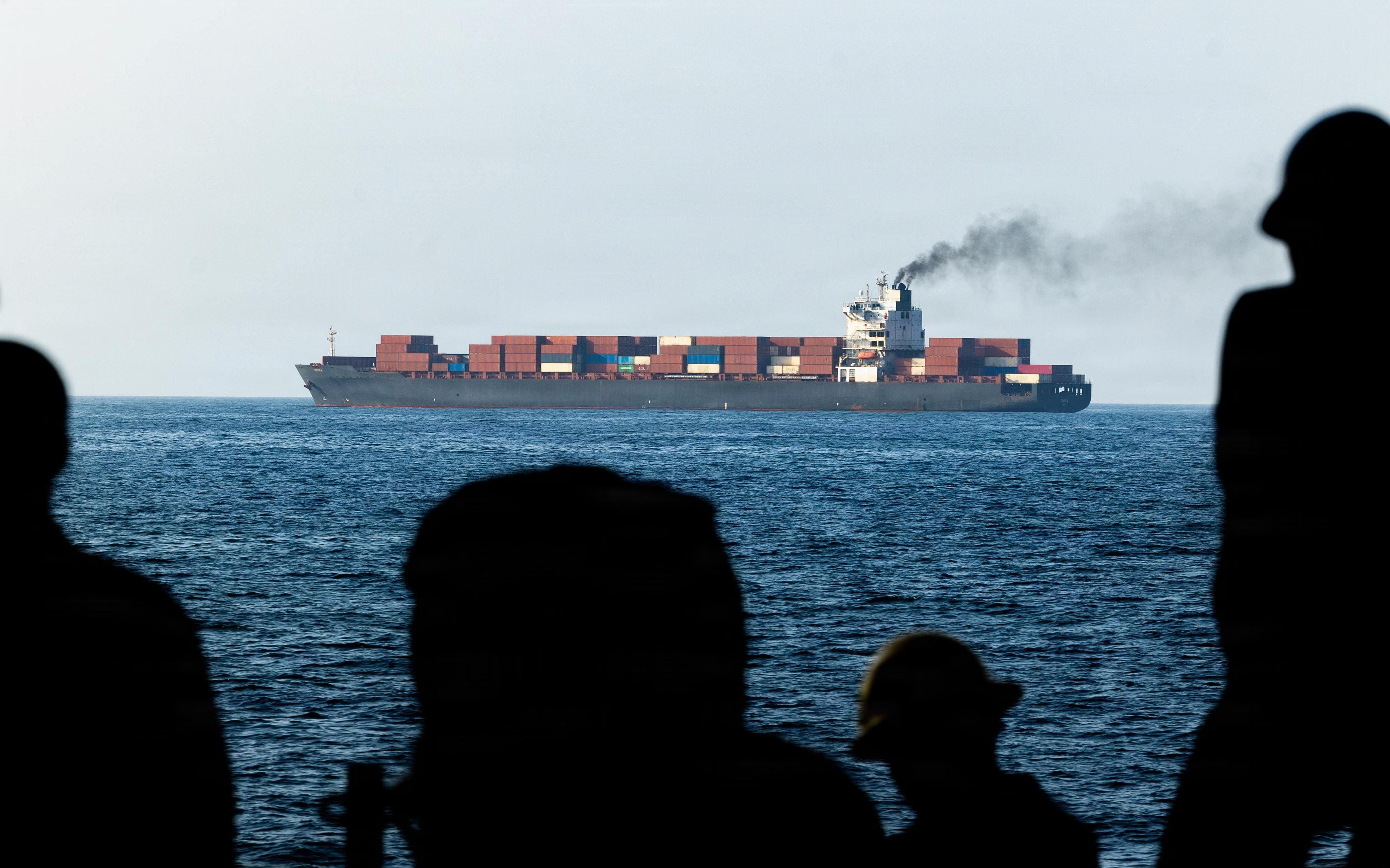
In a significant escalation of maritime tensions, U.S. Marines have seized the Iranian-flagged cargo ship, M/V Touska, for violating the U.S. blockade on Iranian ports. This operation took place on April 19, 2026, and marks a pivotal moment as it reintroduces the rarely invoked prize law into modern naval warfare. Currently under U.S. custody, the ship is expected to face inspection and potential legal classification that could have far-reaching implications for international shipping and maritime law.
The Legal Framework: What is Prize Law?
Understanding Prize Law
Prize law is a specialized area of maritime law that pertains to the capture of enemy or neutral vessels during armed conflict. It allows for the confiscation of ships that breach blockades or carry contraband intended for enemies. Once a ship is captured, it can be taken to a designated port where a prize court adjudicates the legality of the capture. If the court finds the capture lawful, the ship and its cargo can be condemned as prize, awarding title to the capturing state.
Historical Context
Although prize law has not been applied since World War II, it remains a critical component of maritime warfare. The United States' invocation of this law concerning the Touska could signal a robust enforcement of its rights at sea, influencing international maritime practices and ensuring compliance with U.S. sanctions.
Implications of the Touska's Seizure
Influence on Global Shipping
The consequences of the U.S. government's action could ripple through global shipping markets, particularly affecting risk assessments in maritime insurance. The Touska was sanctioned by the U.S. in 2018 and was en route from Malaysia to Iran’s Bandar Abbas at the time of its capture. With President Trump suggesting that the cargo might contain a “gift from China,” the situation exacerbates the tension between U.S.-Iran and U.S.-China relations.
Potential Repercussions
Iran has vowed to retaliate against this act, labeling it as “armed piracy by the U.S. military,” which complicates the geopolitical landscape further. The enforcement of prize law could deter neutral vessels from traversing these contentious waters, reshaping how shipping companies approach routes near Iran.
Future Conflicts and the Role of Prize Law
Strategic Use Against China
Experts believe that applying prize law could also serve as a strategic advantage for the U.S. in any future conflicts, particularly with China, which has been developing dual-use vessels that serve both commercial and military purposes. The capture of Chinese ships might become a legal precedent that disrupts China’s ambitious maritime strategies.
The Institutionalizing of Prize Law
Utilizing prize law not only strengthens U.S. maritime claims but could also set a legal framework for how future conflicts might be conducted at sea. Observers note that if the U.S. effectively establishes a prize tribunal for the Touska, it could revive the institutional muscle needed for naval warfare laws, potentially altering the balance of power in maritime conflicts.
In conclusion, while the fate of the M/V Touska is still unfolding, its implications for international law, shipping practices, and military strategy are profound. The U.S.'s reintroduction of prize law could reshape the strategic landscape in the Gulf and beyond, signaling a new era in maritime conflict enforcement.
Popular news
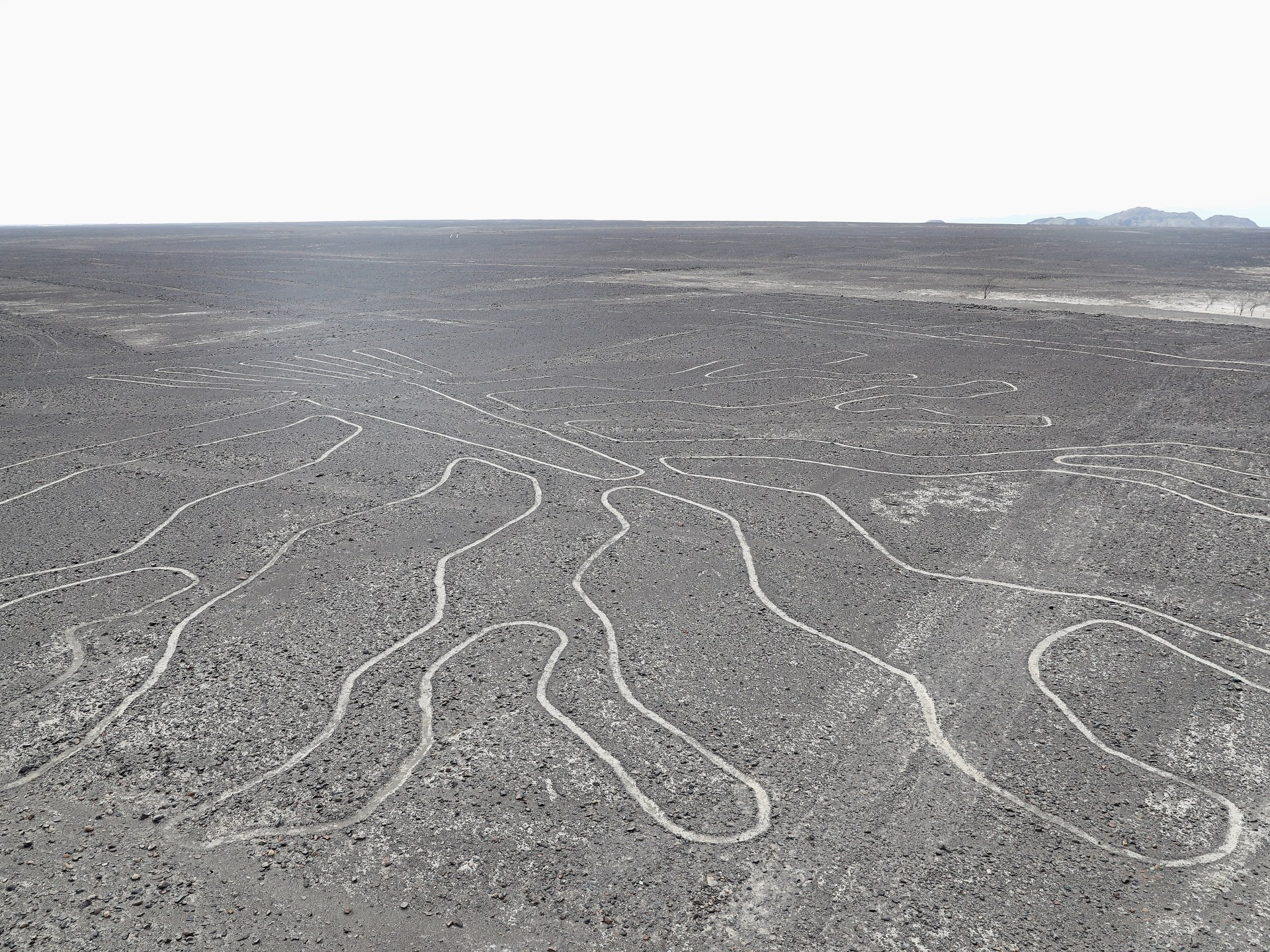
A small plane crash while touring the Nazca Lines in Peru has resulted in 13 fatalities, including tourists and crew.




Subscribe to
our news
Get the most important updates and top stories in your inbox.
