




 World15 Apr 2026
US Military Conducts Deadly Strikes in Eastern Pacific, Raising Human Rights Concerns
US strikes in the eastern Pacific kill four accused narco-terrorists, raising serious human rights concerns over extrajudicial actions by the US military.
US Military Strikes Raise Controversy in Eastern Pacific
The U.S. military has escalated its operations in the eastern Pacific, conducting a fourth deadly strike over a span of four days. This latest operation, which resulted in the deaths of four individuals labeled as "narco-terrorists" by the U.S. Southern Command (SOUTHCOM), has spiraled into controversy and sparked criticism from international legal experts and human rights organizations.
Details of the Strikes
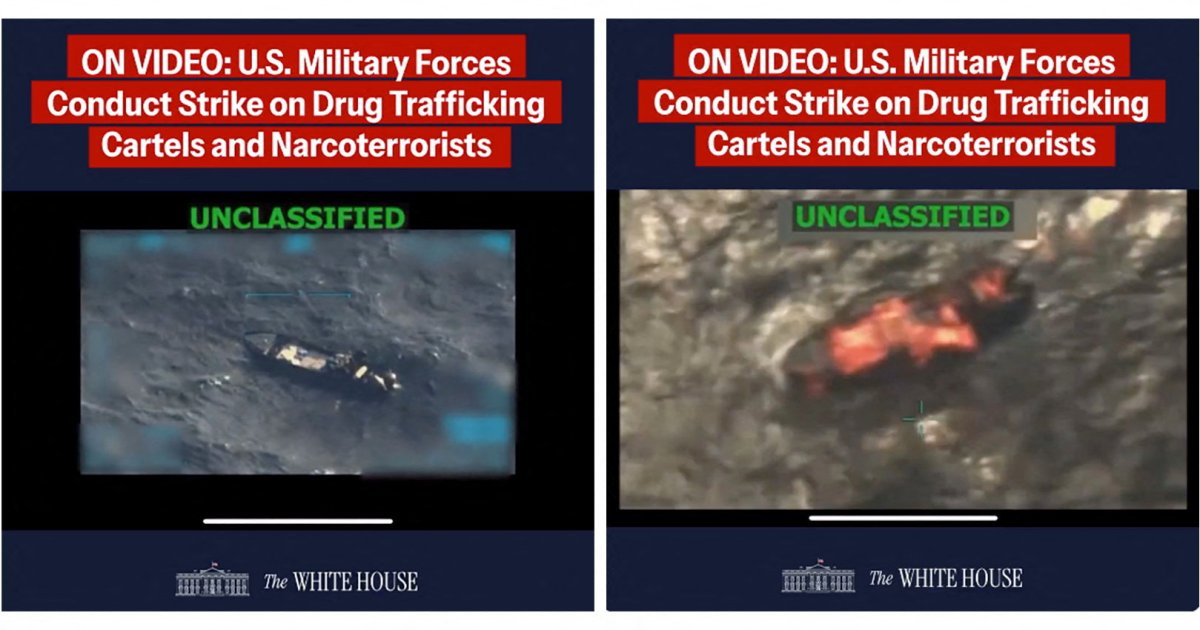
On Tuesday, SOUTHCOM disclosed the latest attack via social media, showcasing footage of a missile striking a stationary vessel, igniting a massive explosion. According to their announcement, the targeted boat was engaging in narcotics trafficking and was travelling along known drug routes. However, the military has not provided specific intelligence details supporting these claims, raising questions about the justification for this lethal force.
Rising Death Toll and Operations
Since the initiation of this military campaign in early September, the death toll has surged to at least 175, with claims that vessels targeted are linked to Latin American drug cartels transporting narcotics to the United States. The recent fatal strikes have resulted in an additional nine deaths: two on Monday and five across two separate strikes on Saturday. The U.S. Coast Guard has even ceased searches for a potential survivor from these incidents.
Human Rights Concerns
The operation has led to growing alarm about alleged extrajudicial killings, particularly due to the high number of casualties and the possibility of civilian boats being struck. Rights groups and legal experts contend that traditional legal mechanisms should be employed against individuals suspected of narcotics trafficking, rather than military strikes that indiscriminately affect lives in international waters.
Critics further question the overall effectiveness of the military strategy, pointing out that much of the fentanyl involved in U.S. overdose deaths primarily enters from land rather than through maritime routes. The complexities of drug trafficking suggest that a militarized approach may not adequately address the root problems.
Conclusion
As operations continue, the ethical implications of these strikes remain a focal point of discussion. The balance between national security interests and the preservation of human rights is under intense scrutiny, with many calling for a reassessment of tactics that presently characterize the U.S. stance in the fight against international drug trafficking.
Popular news
A small plane crash while touring the Nazca Lines in Peru has resulted in 13 fatalities, including tourists and crew.

Subscribe to
our news
Get the most important updates and top stories in your inbox.