 World09 Jun 2026
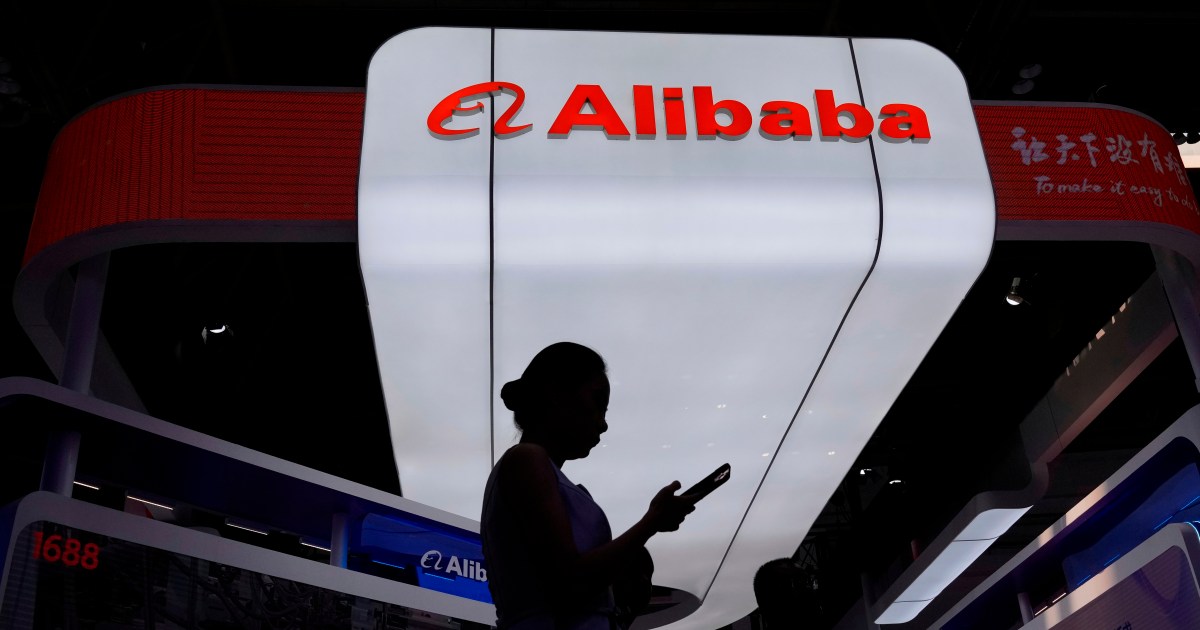
US Names BYD, Alibaba, Baidu as ‘Chinese Military Companies’
The US blacklist expands to include Alibaba, BYD, and Baidu, stirring tensions with China as the firms deny military affiliations.
Rising Tensions: US Designation of Chinese Firms
In a significant escalation of tensions between the United States and China, the Pentagon recently designated Alibaba, BYD, and Baidu as ‘Chinese military companies.’ This classification expands the US blacklist to a total of 188 firms, boosting concerns about the implications for US-China relations, especially following a recent summit aimed at easing diplomatic strains.
The Scope of the Blacklist
This updated blacklist identifies companies that the Pentagon claims are either owned or controlled by the Chinese military or that support the country’s military developments. The inclusion of prominent names like Alibaba, BYD, and Baidu, which dominate sectors such as e-commerce, electric vehicles, and internet services, suggests a broader approach to US national security.
According to the Pentagon, these companies have close ties to Chinese governmental bodies, particularly the state-owned Assets Supervision and Administration Commission, raising alarms over their roles in China's military civil fusion strategy, which seeks to integrate military and civilian technologies.
Chinese Response to the Designation
The Chinese embassy in Washington quickly condemned the designation, labeling it “discriminatory” and an example of the US government overreaching in its national security claims. In a statement, a spokesperson emphasized that Chinese companies abide by laws and regulations in their host countries.
Furthermore, Alibaba vehemently denied the accusations, asserting, “There is no basis for our inclusion on this list. Alibaba is not a Chinese military company nor part of any military-civil fusion strategy.”
Political Reactions in the US
Republican Congressman John Moolenaar, who chairs the US House committee focused on competition with the Chinese Communist Party, expressed strong concerns regarding these companies, particularly as many are publicly traded on US stock exchanges. Moolenaar suggested that immediate delisting and removal from US supply chains are necessary to protect national interests.
This latest update follows a summit between US President Biden and Chinese leader Xi Jinping, which aimed at cooling tensions amidst ongoing trade and tech conflicts between the two nations.
Popular news
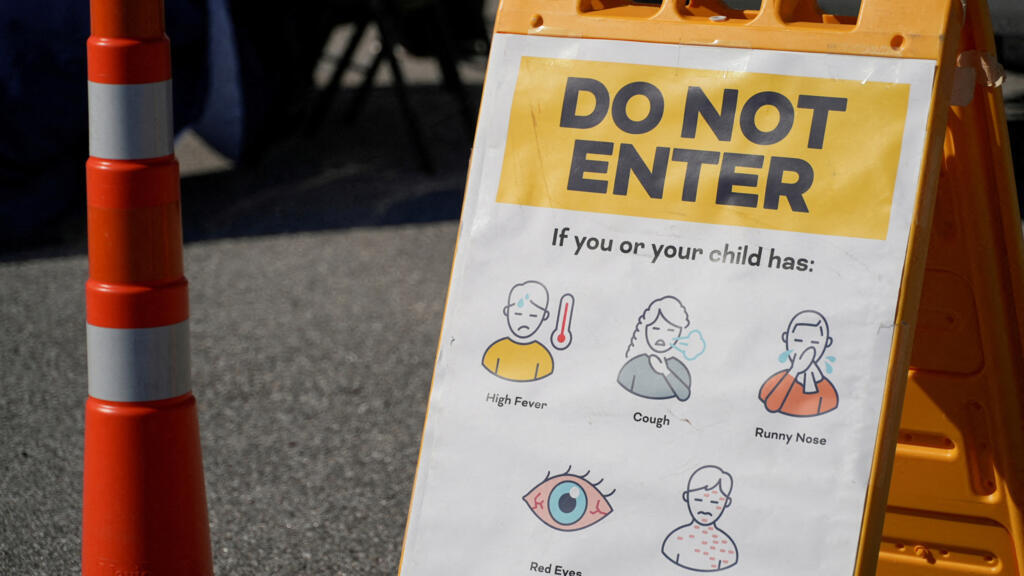
New York has declared a disaster emergency over rising measles cases, especially among under-immunized populations, with 108 confirmed cases.


Subscribe to
our news
Get the most important updates and top stories in your inbox.