





 Business26 May 2026
US Steel Costs Impacted by War and Trade Deals
US steel mills are managing costs via long-term electricity contracts but face rising diesel prices, keeping steel prices stable amid inflation risks.
Navigating Rising Operational Costs
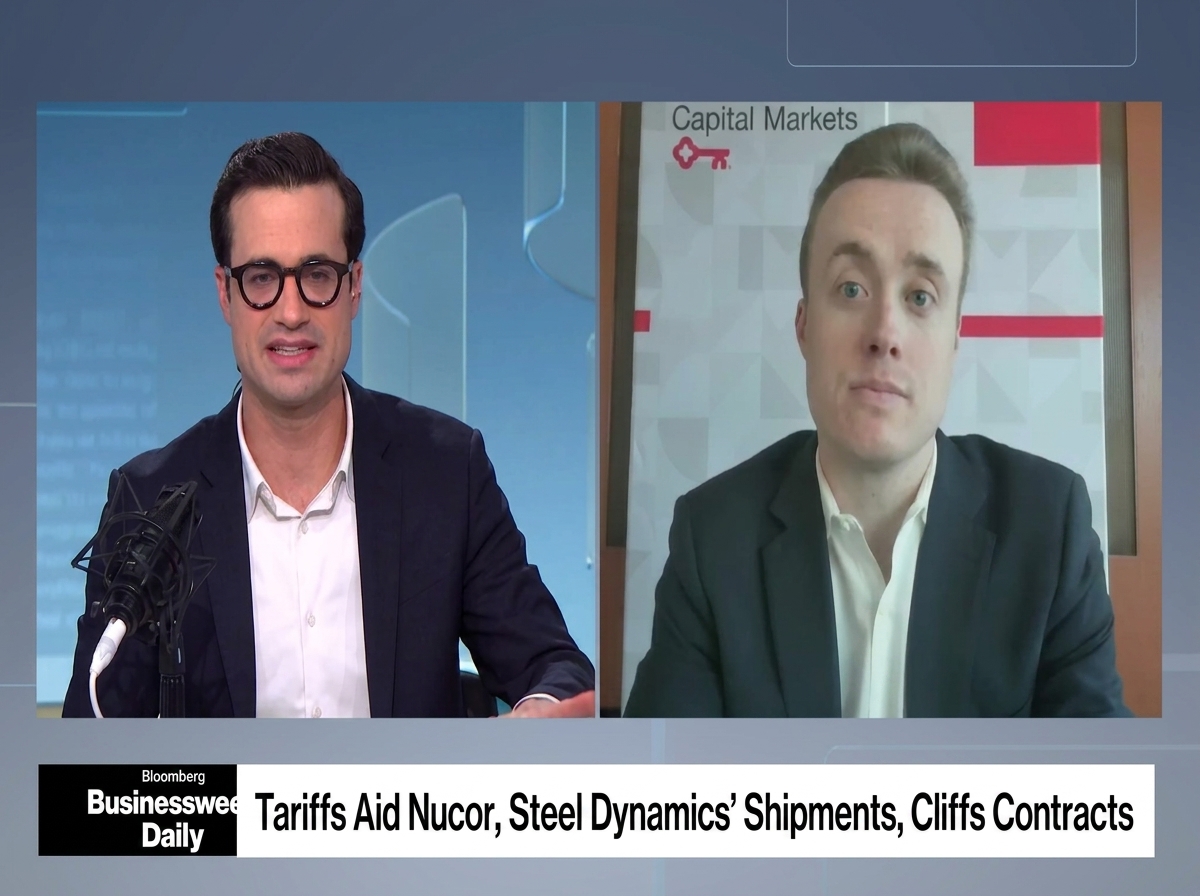
In a recent report by Sam McKinney from KeyBanc Capital Markets, it was revealed that US steel mills have mostly secured themselves against rising electricity costs thanks to long-term contracts. However, challenges remain as increasing diesel prices for transportation are starting to impact their operations. This duality highlights the complexities of managing costs in a volatile market influenced by external factors such as inflation and geopolitical tensions.
Electricity and Diesel Costs
Steel mills have successfully insulated themselves from the fluctuations in electricity prices, primarily due to strategic long-term contracts. These arrangements allow them to maintain stable operational costs. In contrast, the cost of diesel, crucial for transporting steel via trucks and rail, has been rising, creating new challenges for these manufacturers. Increased transportation costs could eventually lead to higher overall pricing for steel, challenging the stability that has been seen in recent periods.
Stability in Steel Prices Amid Inflation
Despite the rising costs associated with diesel, the price of steel itself has not experienced a significant decline. Investors are increasingly turning to steel stocks as a hedge against inflation, viewing them as a robust investment in light of rising costs and uncertainty due to ongoing war concerns in various parts of the world. This trend allows steel manufacturers a degree of pricing power, ensuring that while their operational costs rise, the value of their output remains stable.
Investor Sentiment
The current marketplace reflects a cautious optimism among investors. McKinney notes that the steady demand for steel and the industry’s ability to navigate these challenges could make steel stocks an appealing option for those looking to safeguard their investments. Investors are keeping a close watch on the trends related to diesel prices and how they may affect profitability in the coming months.
In conclusion, US steel mills are at a critical juncture, balancing their proactive strategies against electricity costs with the rising threat of diesel-related expenses. The stabilization of steel prices amidst inflation challenges reflects a robust market position, driven by investor confidence and strategic resource management.
The landscape will continue to evolve as external factors and market dynamics change, necessitating ongoing vigilance from both steel producers and investors alike.
Popular news
New York has declared a disaster emergency over rising measles cases, especially among under-immunized populations, with 108 confirmed cases.




Subscribe to
our news
Get the most important updates and top stories in your inbox.
