





 Technology28 Apr 2026
U.S. Supreme Court Weighs Impact of ‘Geofence’ Search Warrants on Privacy Rights
The Supreme Court debates geofence warrants' role in privacy rights, impacting how law enforcement accesses location data from tech firms.
U.S. Supreme Court Examines Geofence Search Warrant Case
In a pivotal legal battle, the U.S. Supreme Court is deliberating a case that could have significant repercussions for digital privacy rights across the nation. The case, Chatrie v. United States, scrutinizes the constitutionality of the government’s use of geofence search warrants, which allow law enforcement to collect location data from technology companies like Google.
Understanding Geofence Warrants
Geofence warrants enable law enforcement officials to compel tech firms to provide information on all devices that were present in a specific location during a certain time frame. By effectively casting a wide net over users’ location data, police can identify potential suspects linked to a crime through geographic proximity. However, this has raised serious concerns among civil liberties advocates, who argue that such warrants infringe upon individual privacy rights by gathering data on innocent individuals who happen to be nearby.
The Supreme Court heard arguments on this issue on Monday, with the justices divided over the future of geofence warrants. While some justices expressed hesitance about banning these practices outright, there was a consensus on the potential need to restrict their usage.
The Chatrie Case Breakdown
At the heart of this case is Okello Chatrie, a Virginia resident convicted of bank robbery in 2019. The police utilized a geofence warrant to access location data from Google to pinpoint devices near the robbery scene. Investigators analyzed data from numerous phones, which eventually led to identifying Chatrie as a suspect based on his proximity to the crime.
Chatrie’s legal defense argues that the evidence obtained through the geofence warrant infringed on his Fourth Amendment rights by lacking the necessary probable cause and by being overly broad. Chatrie maintained that the warrant allowed law enforcement to search first and establish suspicions later, fundamentally undermining constitutional protections against unreasonable search and seizure.
Broader Implications for Digital Privacy
This case is not just about Chatrie; it could reshape how law enforcement agencies across the U.S. utilize geofence warrants in the future, influencing the privacy rights of countless Americans. The Supreme Court’s decision will hinge significantly on whether citizens have a reasonable expectation of privacy regarding their location data held by tech giants.
Legal experts suggest that although the court may not outright ban geofence warrants, there might be a push for restrictions that could limit their application.
Following the arguments, legal commentary indicated that the justices are inclined towards a more measured approach. Orin Kerr, a legal scholar, speculates that the court will uphold the use of these warrants but enforce limitations to protect civil liberties.
Conclusion
As the Supreme Court considers the arguments presented in Chatrie v. United States, the outcome could establish precedent-setting guidelines for the use of digital data by law enforcement. With thousands of geofence warrants already filed by police since 2016, the court's ruling will have lasting implications on digital privacy in an era where location tracking is ubiquitous.
Popular news
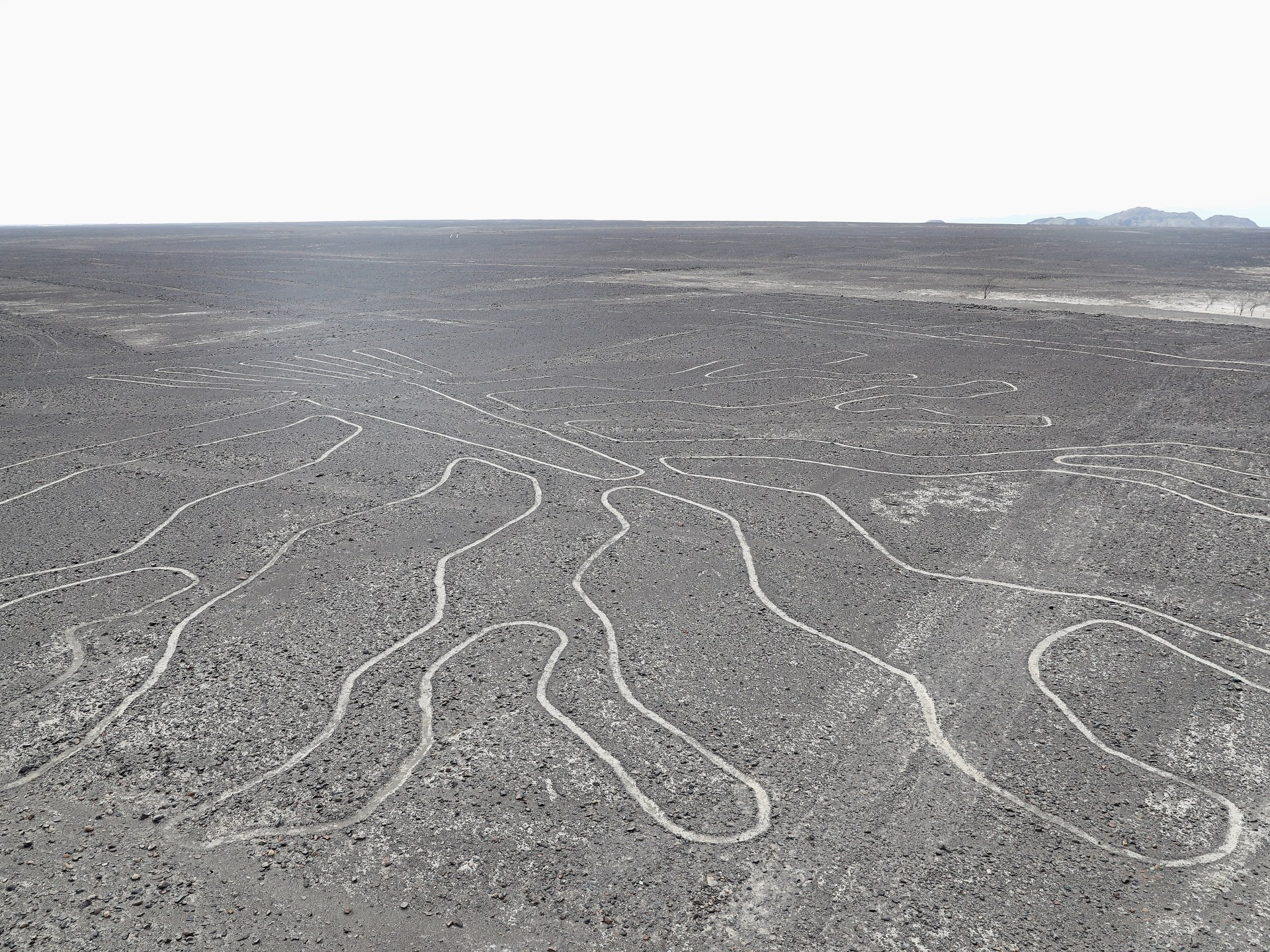
A small plane crash while touring the Nazca Lines in Peru has resulted in 13 fatalities, including tourists and crew.




Subscribe to
our news
Get the most important updates and top stories in your inbox.