 Technology21 Jul 2026
US Threatens Sanctions on Chinese AI Models Over Intellectual Property Theft
The U.S. may impose sanctions on Chinese AI models if IP theft is found, as competition with firms like Moonshot AI escalates.
U.S. Scrutinizes Chinese AI for Intellectual Property Violations
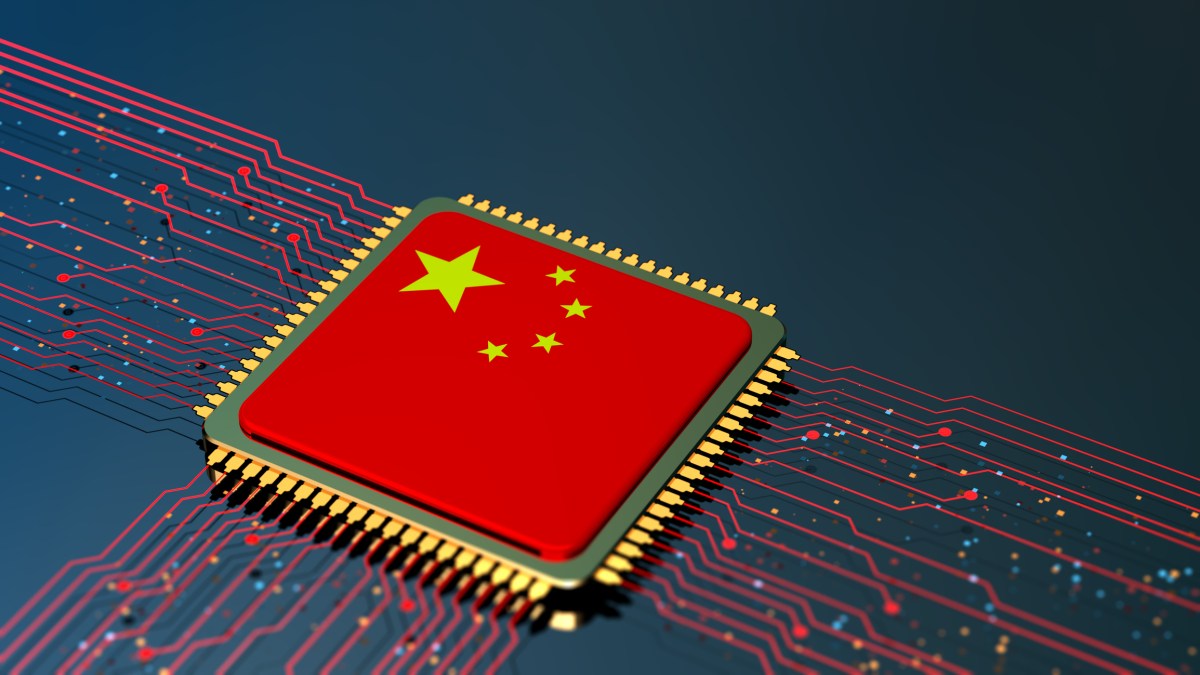
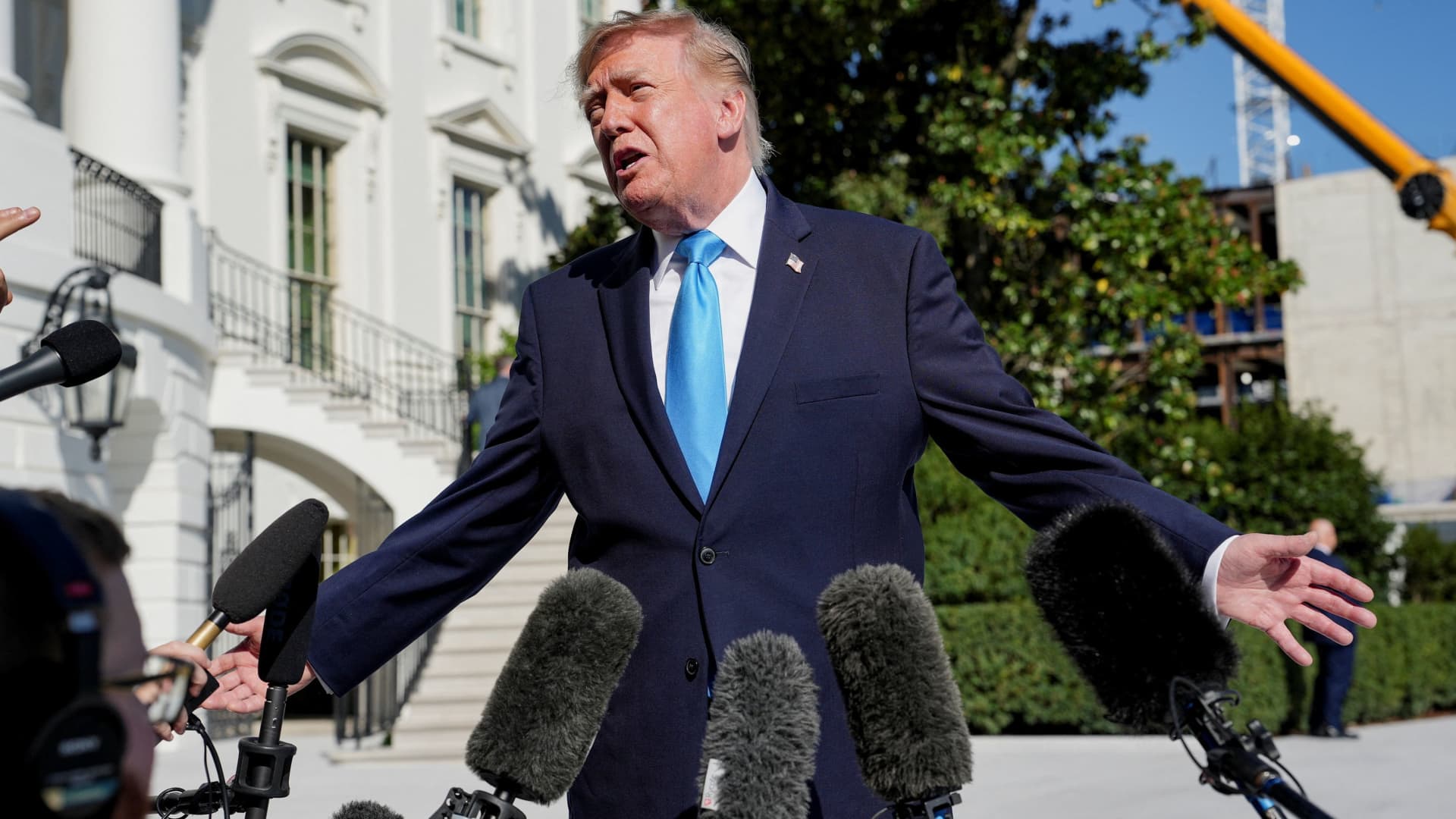
In a significant move, U.S. Treasury Secretary Scott Bessent announced that the United States is set to examine open-source AI models developed in China, particularly focusing on potential intellectual property (IP) theft. Bessent warned that sanctions could be implemented against Chinese AI companies found violating IP laws, emphasizing the administration's commitment to safeguarding American technological innovations.
Open Source vs. Intellectual Property Theft
During an interview with Fox Business, Bessent stated, "This administration supports open source models, but what we do not support is IP theft. If we see that overseas models are stealing from our great companies, we have the ability to sanction them because of this theft." His remarks were reported earlier by Bloomberg, highlighting the escalating tensions surrounding AI technologies.
As U.S. AI companies like OpenAI and Anthropic face increasing competition from Chinese firms, particularly with the emergence of models such as Moonshot AI's Kimi K3, concerns about the safeguarding of intellectual property have intensified. Bessent's assertions are set against a backdrop of broader national security strategies aiming to mitigate risks associated with international competition over technological advancements.
Increased Competition and Potential Sanctions
The recent focus on Chinese AI developments coincides with industry reports suggesting that the Trump administration is contemplating a complete ban on Chinese open-source models. While the extent of such a ban remains uncertain, the potential for ongoing trade restrictions in technology sectors indicates heightened scrutiny of foreign AI systems.
Bessent’s comments also come after numerous reports of foreign entities attempting to replicate U.S. AI technologies, a trend identified by industry leaders who warn against the risks posed by foreign actors, particularly in the Chinese market.
The Debate Over Model Distillation Practices
An important aspect of this discussion is the practice of model distillation, a method that allows smaller systems to replicate larger model functionalities. This practice has sparked debate among industry leaders concerning the legality and ethical implications of utilizing distillation processes based on proprietary models.
Microsoft CEO Satya Nadella recently raised concerns regarding the principles surrounding model training on publicly available data, urging a more nuanced understanding of distillation's role in AI development.
Amid these discussions, Hugging Face CEO Clem Delangue pointed out that distillation might not be the only factor behind China's rapid advancement in artificial intelligence. "We know distillation to be a very small factor in the ability to create good models," Delangue stated, emphasizing the importance of robust research teams and a collaborative approach that has characterized AI initiatives in China.
Conclusion
As the U.S. government weighs its options regarding potential sanctions and restrictions on Chinese AI models, the outcome will not only affect the competitive landscape in the AI sector but also raise important questions about intellectual property, innovation, and collaboration on a global scale. With these developments, the dialogue surrounding intellectual property protection in AI is set to remain a critical focus moving forward.
Popular news
New York has declared a disaster emergency over rising measles cases, especially among under-immunized populations, with 108 confirmed cases.

Subscribe to
our news
Get the most important updates and top stories in your inbox.