




 Business23 Jul 2026
U.S. Trade Deficit Hits Second Highest Level Since ‘Liberation Day’
The U.S. trade deficit soared to $103.65 billion in May, the second largest since last year, driven by declining gold exports and rising imports.
U.S. Trade Deficit Overview
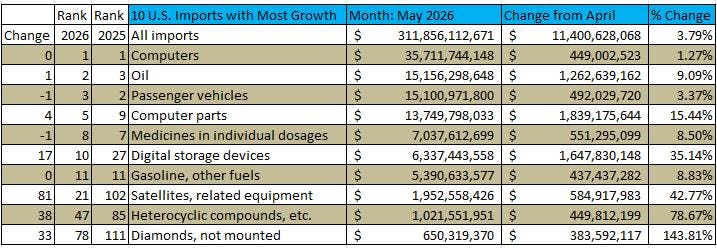
The U.S. trade deficit swelled to $103.65 billion in May, marking a significant increase from $82.46 billion in April and establishing it as the second-largest deficit recorded since March of last year. This notable growth in the trade gap reflects a 4.49% decline in exports compared to April, countered by a 3.79% rise in imports.
This scenario is a result of various economic dynamics at play, including a marked decrease in gold exports and an increase in the importation of computer parts and oil.
Key Factors Behind the Increase
Decline in Exports
May witnessed a substantial reduction in U.S. exports, with gold representing one of the most significant downturns. Exports of gold plummeted by 25.19% from April, amounting to a $5.93 billion drop. This decline indicates a cooling off from 2025’s bullish market, where gold prices soared due to global uncertainties, including trade tensions and geopolitical conflicts.
Additionally, shipments of computers and computer parts reflected tougher competition and market variability. Despite robust demand from technology companies, these exports fell sharply by 4.49% month-on-month.
Rising Imports
Conversely, imports spiked, reaching their highest levels since March of 2025. In May, imports included a $1.84 billion increase in computer parts, indicating that demand for tech resources remains strong, likely in response to growing investments in AI infrastructure.
Oil imports also surged, with a 9.09% rise, primarily driven by fluctuating global oil prices amid ongoing conflicts, notably the recent escalation related to Iran.
Implications for U.S. Economic Policy
The widening trade gap raises concerns for President Trump, who has been vocally critical of trade deficits and has introduced aggressive tariff policies in an effort to reduce them. Despite these strategies, including potential tariffs on various countries such as Spain and Canada, the deficit continues to persist.
As noted, the trade deficit in May was not an anomaly but rather a reminder of underlying economic trends. With U.S. trade deficits hitting records—the country has experienced a deficit topping $1 trillion in recent years—President Trump’s efforts thus far have not led to a meaningful change. Analysts suggest that even with heightened tariffs, the fundamental economic principles driving trade will likely keep the U.S. trade deficit significant going forward.
Conclusion
In summary, the U.S. trade deficit stood as a stark reminder of the challenges facing the economy amid complex global trade dynamics. The current policies, tempered by legal review and market reactions, will need to adapt significantly if there are hopes of reducing this persistent deficit. As economic conditions evolve, the relationship between exports and imports will play a crucial role in shaping future trade balances.
Popular news
New York has declared a disaster emergency over rising measles cases, especially among under-immunized populations, with 108 confirmed cases.




Subscribe to
our news
Get the most important updates and top stories in your inbox.