




 Business30 May 2026
Utah Governor Implements Stricter Regulations for Data Centers Amid Public Outcry
Utah's Governor Spencer Cox tightens data center rules amid backlash over Kevin O'Leary's Stratos Project, focusing on environmental protections.
New Regulations for Data Centers in Utah
Utah Governor Spencer Cox has taken significant action by issuing an executive order that introduces stricter regulations for data center development across the state. This move comes in response to widespread public unrest regarding the proposed Stratos Project, a massive data center initiative backed by television personality and investor Kevin O'Leary.
The executive order, announced on Friday, establishes eight guiding principles aimed at ensuring that future data center projects prioritize the protection of local water resources, air quality, and overall community welfare. Governor Cox emphasized the need for accountability, stressing that Utah residents should have confidence that their fundamental resources and quality of life will not be compromised by large-scale developments.
Key Principles of the Executive Order
In his announcement, Governor Cox outlined specific objectives of the executive order, which include:
- Water Resources Protection: Safeguarding vital water reserves, including the Great Salt Lake.
- Wildlife Mitigation: Minimizing the impact of development on local wildlife habitats.
- Public Involvement: Mandating transparent opportunities for community feedback on future projects.
- Utility Rate Protection: Ensuring that utility rates remain manageable for residents amidst these developments.
The executive directive is effective immediately and requires state agencies to adopt these principles in their evaluation of new data center proposals.
Community Response and Controversy
The Stratos Project has triggered intense discussions within Utah, particularly in Box Elder County, where it is slated to occupy approximately 40,000 acres. While proponents claim it will generate considerable employment opportunities and economic growth, many local residents have expressed deep concerns over its environmental ramifications, such as increased air pollution, noise, and traffic congestion.
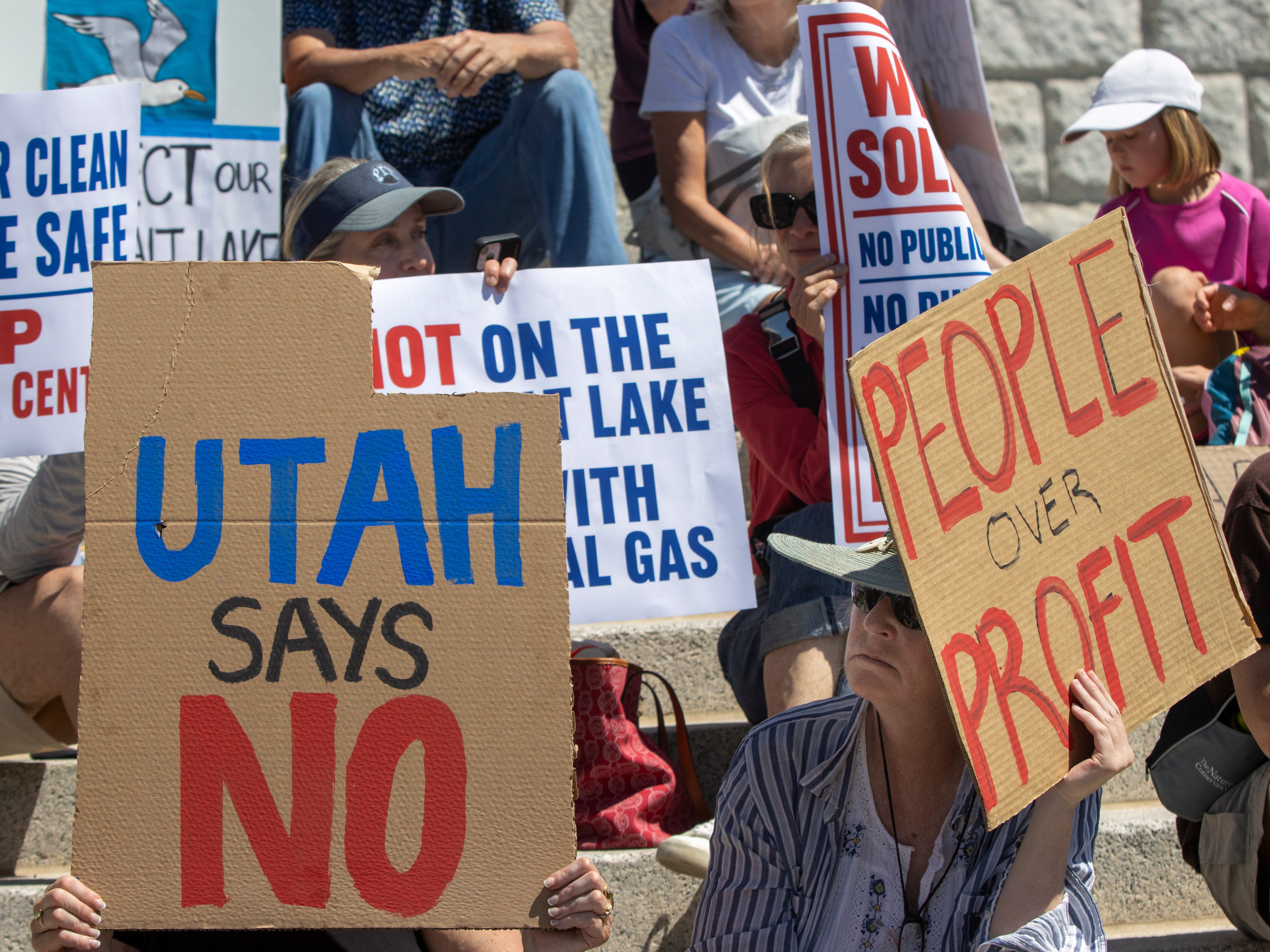
Public demonstrations have erupted in response to the project, with protesters gathering outside the Utah State Capitol to voice their opposition. This significant backlash prompted Governor Cox to intervene with these new regulations to address the community’s fears and ensure their voices are heard in local governance.
O'Leary's Defense of the Project
Kevin O'Leary has defended the Stratos Project on multiple occasions, claiming some protests could be attributed to orchestrated opposition by "professional protesters." He suggested that misinformation, potentially exacerbated by AI technologies, played a role in amplifying community dissent. Despite these claims, local sentiment largely remains skeptical regarding the potential benefits and ecological costs of his development plans.
As tensions persist between developers and residents, the new regulatory framework aims to address these community concerns while facilitating responsible technological advancement in Utah. With increasing scrutiny on data center projects nationwide, the implications of this executive order may signal a shift towards more environmentally conscious development policies in the tech sector.
Popular news
New York has declared a disaster emergency over rising measles cases, especially among under-immunized populations, with 108 confirmed cases.



Subscribe to
our news
Get the most important updates and top stories in your inbox.