




 Health11 May 2026
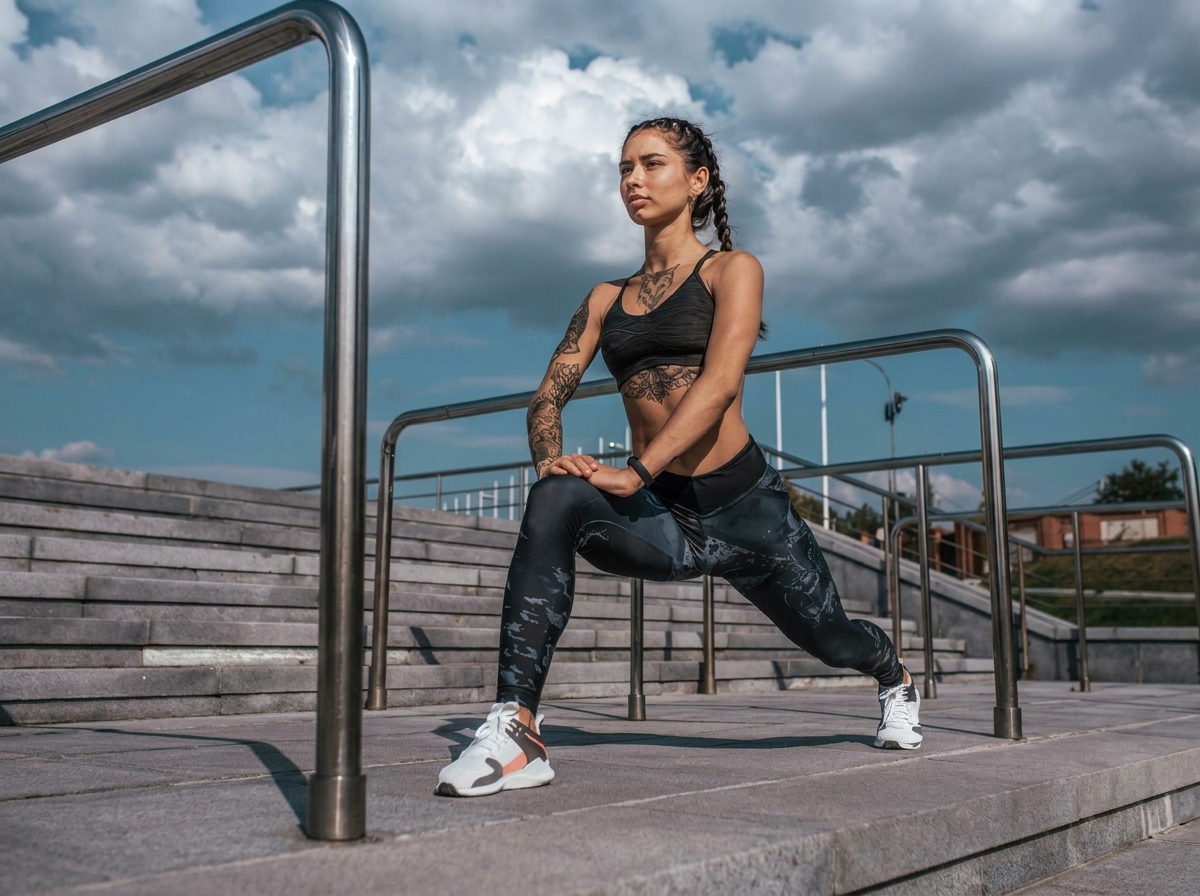
Walking and Strength Training: Key Exercises for Longevity
Walking and strength training are essential for longevity. Here's how to effectively incorporate both into your fitness routine.
The Importance of Walking and Strength Training
In the realm of fitness, two workout modalities stand out for their potential to promote longevity: walking and strength training. While they may seem different, both forms of exercise are essential for maintaining health as we age. Walking serves as a low-impact way to enhance cardiovascular health, bolster brain function, and improve joint stability. Meanwhile, strength training plays a vital role in promoting muscle growth, increasing bone density, and contributing to overall strength. According to experts, a balanced routine that combines both types of workouts can significantly improve longevity and quality of life.
The Role of Walking in Fitness
Walking is a versatile exercise that can be performed anywhere and by anyone, making it an accessible option for individuals of all fitness levels. Research supports the benefits of walking, particularly regarding brain health. Studies indicate that regular walking increases blood flow to the brain, which is crucial for cognitive function and may reduce the risk of dementia.
Rachelle A. Reed, PhD, an exercise physiologist, emphasizes that walking helps manage stress, lowers blood pressure, and fosters a healthy cardiovascular system—all factors crucial for a longer life. For optimal brain health, Pelc Graca, CPT, suggests aiming for around five miles each day, which has been shown to correlate with improved cognitive functioning.
The Benefits of Strength Training
While walking is essential, strength training provides distinct advantages that walking alone cannot offer. Strength training enhances muscle mass and bone density, both critical for older adults. Bone density plays a pivotal role in preventing fractures and maintaining independence as one ages, and strength training is proven to stimulate new bone growth through weight-bearing activities.
According to Pelc Graca, strength training not only slows bone loss but advocates for promoting stronger, denser bone tissue. This is especially important for women who often experience bone loss during and after menopause.
Combining Walking and Strength Training
Experts agree that a holistic approach involving both walking and strength training is the best way to achieve lasting health benefits. The Centers for Disease Control and Prevention (CDC) recommends at least 150 minutes of moderate aerobic activity—such as brisk walking—combined with two sessions of strength training per week. This combination equips individuals with improved muscle strength, cardiovascular health, and cognitive function, leading to a healthier, longer life.
Recommendations for Your Routine
If you’re new to exercising, starting with daily walks of 15 minutes post-meals can be effective. Supplement this with three 15-minute strength training workouts each week. As your fitness improves, gradually increase both the duration and intensity of your workouts.
Consistency is essential. Pelc Graca notes, "Longevity isn’t just about adding years to your life; it’s about adding life to your years." By making walking and strength training part of your regular routine, you can help ensure a vibrant and independent future.
Popular news
A small plane crash while touring the Nazca Lines in Peru has resulted in 13 fatalities, including tourists and crew.





Subscribe to
our news
Get the most important updates and top stories in your inbox.