




 Business25 May 2026
Water Crisis Strikes America's Largest Oil Export Hub as Lawn Care is Banned
Residents in Corpus Christi are prohibited from watering lawns for two years as water supplies dwindle amid industrial growth and drought.
Water Crisis in Corpus Christi
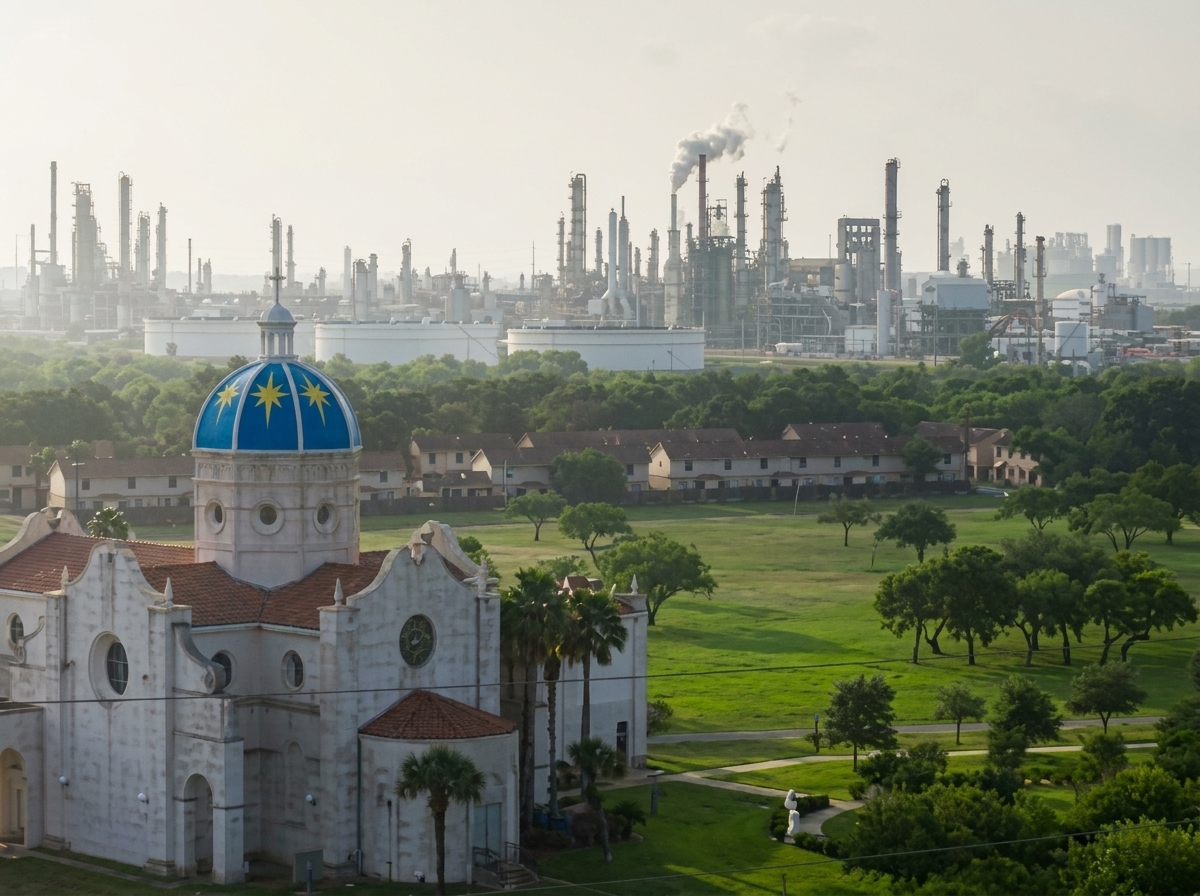
Corpus Christi, Texas, known as America's largest oil export hub, is grappling with a significant water shortage that has left its residents in dire straits, including a ban on watering lawns that has now lasted two years. As of May 2026, the city’s reservoirs are alarmingly low, at approximately 8% of their combined capacity, prompting worrying forecasts from city officials who may declare a water emergency by December 2026. Under this potential emergency, household water use would be limited to 6,000 gallons per month, which is markedly below the national average.
The Strain of Drought
The water crisis stems from a combination of prolonged drought conditions and rapid industrial expansion, particularly related to oil exports. Since August 2024, the 318,000 residents have been strictly prohibited from watering their lawns, taking care of gardens, or washing cars, exacerbating community distress. The weight of this situation is further amplified by recent predictions indicating that without adequate rainfall, the city will struggle to maintain its essential water supply
Sources of Water
Corpus Christi supplies about 65% of the water needed for its residents and larger industrial entities in the Coastal Bend area, impacting over 500,000 people. The city primarily relies on rainfall and water runoff from three critical river basins: the Nueces, Lavaca-Navidad, and Colorado rivers. However, sustained drought since late 2021 has severely depleted water levels in the associated Choke Canyon Reservoir and Lake Corpus Christi, leading to increased pressure on other water sources.
In March 2026, the city was drawing almost 73% of its water supply from the Colorado River and Lake Texana. Concerns remain as water levels in these sources have been declining since mid-2025, although recent rainfall offered temporary relief.
Industrial Demand and Growth
This critical water shortage coincides with extraordinary industrial growth driven by the expanding Port of Corpus Christi, which has more than doubled its trade value since 2013. As the port's freight capacity increases, it has attracted a slew of water-intensive industries, leading local officials to assure these companies that sufficient water resources would be available.
However, as industrial water consumption escalated, the city's water planning failed to develop new resources since 2016. A proposed desalination plant intended to convert ocean water into fresh water faced cancellation in September 2025 due to cost overruns, leaving the city in urgent need of alternative solutions.
Exploring Alternatives
In light of the current crisis, city officials are significant in their efforts to develop new water supplies. Suggested short-term solutions include:
-
Groundwater Wells: The drilling of deep wells along the Nueces River is already supplying approximately 12 million gallons of water daily to support local needs. Further initiatives include a proposed extraction project from the Evangeline aquifer, which could provide up to 24 million gallons per day beginning in November 2026, though neighboring communities filed objections fearing depletion of their resources.
-
Reclaiming Wastewater: The city is also planning to utilize treated wastewater for cooling industrial plants and irrigation, rather than discharging it into local waterways. Major companies like Valero and Flint Hill Resources have committed to using this reclaimed water, which could yield an initial supply of 1 million gallons per day by late 2026, ramping up to 16 million gallons per day when fully operational.
Future Implications
Even amidst these potential solutions, concerns persist over the long-term viability of both groundwater supplies and the upcoming wastewater initiatives. Environmental factors, such as insufficient rainfall, could threaten the sustainability of these water sources. The City Council is also revisiting past desalination plans as it seeks to shore up future water supplies amidst the ongoing drought, compounded by the forecasted impacts of climate change.
As the citizens of Corpus Christi continue to face stringent water restrictions, city leaders are urged to engage in thorough water management and planning to safeguard against both present and future shortages. The challenges ahead are clear, and addressing this complex issue will require investment, innovative thinking, and collaborative solutions to ensure water availability for residents and industries alike.
Popular news
Nuveen acquires Schroders, creating a $2.6 trillion asset management powerhouse.




Subscribe to
our news
Get the most important updates and top stories in your inbox.