




 Health04 May 2026
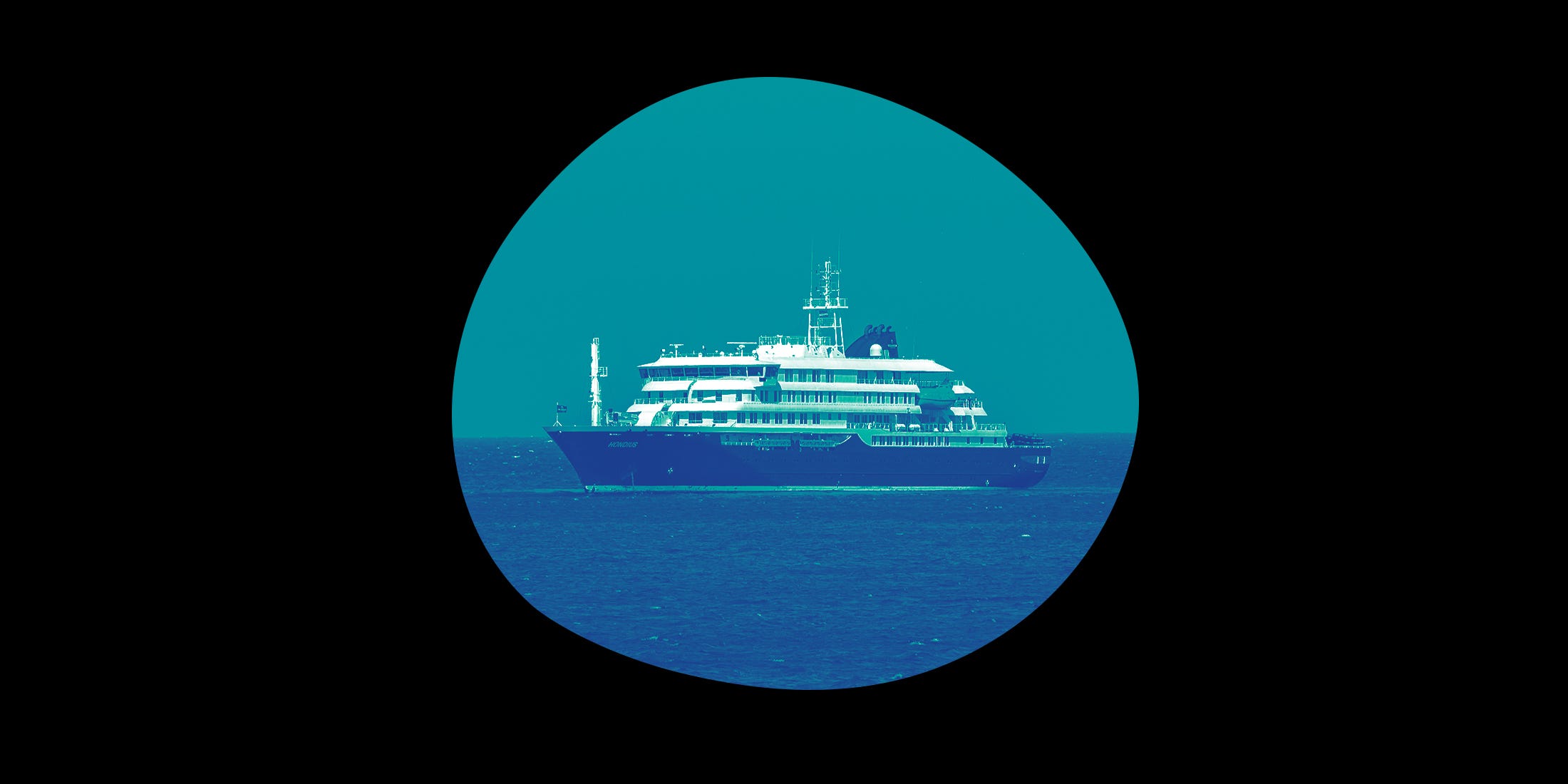
What to Know About the Suspected Hantavirus Outbreak on the MV Hondius
A hantavirus outbreak aboard the MV Hondius has claimed three lives, raising concerns. Experts clarify what the public should know about the virus.
Hantavirus Outbreak on MV Hondius: Key Facts
Recent reports indicate a suspected outbreak of hantavirus on the cruise ship MV Hondius, docked in Cape Verde. This highly infectious virus has been linked to the deaths of three passengers, sparking alarm among travelers and health experts alike. While the situation remains critical, experts assure that the general public is not at significant risk.
Overview of the Outbreak
According to reporting from Women's Health, the MV Hondius has not allowed passengers or crew members to disembark since the onset of the suspected outbreak. Initially, a Danish passenger died on April 11, and although two additional passengers, a British man and a German national, also succumbed, only one case of hantavirus has been confirmed in the British individual, who is currently in critical condition in a South African intensive care unit.
Additionally, reports indicate that some crew members are displaying acute respiratory symptoms. Health authorities are closely monitoring the situation to determine the source and nature of the outbreak.
What is Hantavirus?
Hantavirus refers to a family of viruses primarily transmitted from rodents to humans, resulting in potentially severe diseases. The Centers for Disease Control and Prevention (CDC) characterizes the symptoms as often beginning with vague indications, including:
- Fatigue
- Fever
- Muscle aches
- Headaches
- Dizziness
As the disease progresses, it can lead to more severe complications, making it a serious concern. The fatality rate can vary, with studies showing it may reach up to 50% in some strains, specifically the New World hantavirus.
Types of Hantavirus
Experts classify hantavirus into two categories: Old World and New World.
Old World Hantaviruses
Found primarily in Europe and Asia, Old World hantavirus strains primarily cause kidney disorders and hemorrhages. They have been known to cause bleeding scenarios in affected patients but typically have lower fatality rates, estimated between 5-15%.
New World Hantaviruses
Described in the 1990s, New World hantavirus strains are predominantly found in the Americas. These strains can cause more severe pulmonary syndromes, with higher mortality rates compared to their Old World counterparts.
Transmission and Public Health Concerns
Transmission typically occurs through exposure to rodent droppings, urine, or saliva, often leading to health complications without direct person-to-person contact. Rare cases of transmission have occurred mainly involving the Andes virus, which contradicts the general understanding of the virus's spread.
As it stands, specialists assert that the recent events aboard the MV Hondius do not pose a significant threat to the public. Health experts maintain that it is unlikely the virus will lead to widespread outbreaks akin to COVID-19.
Conclusion: What to Watch For
While the situation is developing, those concerned about hantavirus can take comfort in the fact that most forms of the virus are not easily transmissible between humans. Continuous monitoring and healthcare support for affected individuals remain crucial as the cruise line collaborates with health authorities to ensure safety protocols are followed and any deficiencies addressed. Travelers are advised to maintain awareness of health updates related to this incident as it unfolds.
Popular news
A small plane crash while touring the Nazca Lines in Peru has resulted in 13 fatalities, including tourists and crew.





Subscribe to
our news
Get the most important updates and top stories in your inbox.