
 Business30 Sept 2026
Why Middle East Oil Concerns Surpass US-China Tensions
Declining oil inventories in the Strait of Hormuz pose a larger threat to the global economy than US-China tensions, warns IIF's Ashok Bhundia.
The Growing Risks in Oil Supply
The geopolitical landscape in the Middle East is evolving, with oil supply dynamics now weighing heavily on global markets. Ashok Bhundia, the Deputy Chief Economist at the Institute of International Finance (IIF), has stated that the steadily decreasing oil and diesel inventories in the Strait of Hormuz are creating risks that could soon overtake the ongoing strategic tensions between the United States and China.
Declining Inventories Raise Alarm Bells
Bhundia highlights that the current situation in the Strait of Hormuz is particularly alarming, noting that these critical shipping lanes are under immense pressure. With inventories of oil and diesel dwindling, the potential for significant market disruptions is increasing. As these inventories fall, the likelihood of supply shocks rises, which could have immediate and far-reaching implications for the global economy.
Economic Repercussions: Cost-Push Inflation
Another critical aspect raised by Bhundia is the rising crack spreads—the difference between the price of crude oil and the price of refined products. Elevated crack spreads are leading to cost-push inflation, where increasing costs drive prices upwards, impacting consumers and businesses alike. Bhundia warns that if this trend continues unchecked, it could precipitate a sudden shock to the markets, exacerbating already existing inflationary pressures.
The Strait of Hormuz: A Vital Passage
Situated at the juncture of the Persian Gulf and the Gulf of Oman, the Strait of Hormuz is a vital waterway through which a significant portion of the world's oil and gas passes. The importance of this corridor cannot be overstated, making the health of its oil inventories a key concern for economists and investors. As tensions in the region fluctuate, the stability of oil supply remains a critical factor that could overshadow other global conflicts, including US-China relations.
Conclusion: A New Prioritization of Risks
As Bhundia points out, the implications of dwindling oil supplies may soon require a reevaluation of risk priorities on the global stage. Stakeholders in the energy sector, policymakers, and economists must pay close attention to developments in the Strait of Hormuz as they could pave the way for significant shifts in the global economic landscape in the near future. The stakes are high, and the focus may need to shift away from traditional geopolitical tensions to the more immediate concerns surrounding energy security and inflation.
Popular news
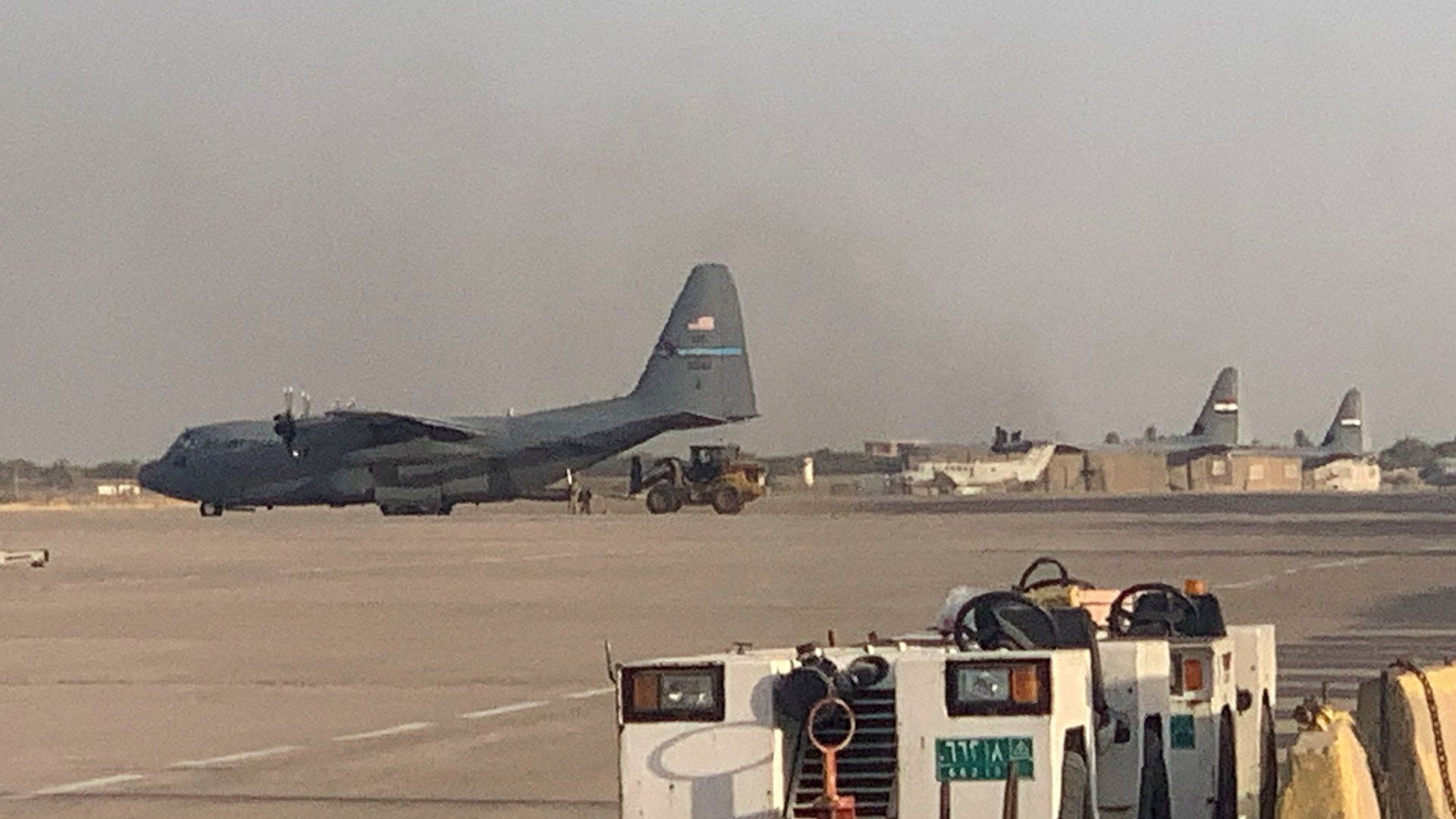
The US Army has fully withdrawn from Baghdad, concluding a 20-year military mission that began in 2003 with the invasion to depose Saddam Hussein.


Subscribe to
our news
Get the most important updates and top stories in your inbox.