





 Business18 Apr 2026
Why Tariffs Alone Won't Revive American Manufacturing
Experts warn that tariffs won’t save American manufacturing; boosting workforce and innovation is crucial for true revival.
The Limits of Tariffs in Revitalizing Manufacturing
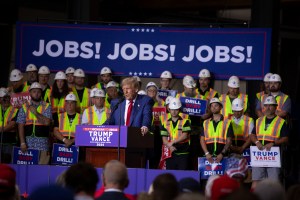
In recent years, there has been a renewed focus on reviving American manufacturing, with President Trump positioning tariffs as a central part of his strategy. However, experts argue that merely implementing tariffs is not enough to restore the sector to its former glory. Instead, a multifaceted approach focusing on workforce development, innovation, and infrastructure investment is vital for sustainable growth in U.S. manufacturing.
The Role of Tariffs in Manufacturing Strategy
President Trump has placed significant emphasis on tariffs as a means to bolster American manufacturing. With the recent announcement of ongoing tariffs, including Section 232 tariffs on steel and aluminum, it remains clear that this approach is a cornerstone of his economic agenda. Tariffs are intended to protect domestic industries from foreign competition; however, they often result in increased costs for manufacturers, undermining their competitiveness.
Oren Cass from American Compass has suggested that tariffs serve as strategic levers to restore manufacturing capacity. Yet, the reality is that these measures often lead to inflated manufacturing costs, positioning the U.S. as one of the highest-cost producers in the world.
Economic Consequences of Protectionist Policies
Rather than level the playing field, tariffs have the opposite effect; they risk making American-made goods less attractive in both domestic and international markets. This can compel manufacturers to either absorb losses, leading to decreased profitability, or relocate operations abroad to remain competitive. Consequently, Trump's ambition for U.S. global manufacturing leadership is threatened by policies that could exacerbate trade deficits.
While proponents of tariffs claim they strengthen national markets, the truth lies in the potential harm to U.S. competitiveness. In an increasingly globalized economy, protectionist measures can often backfire.
Workforce Challenges and the Need for Reform
Compounding the issue is a significant shortage of skilled labor within the manufacturing industry. Recent data indicates that as of late 2025, the U.S. faces a workforce deficit of up to 449,000 manufacturing jobs. A report by Deloitte highlights that this gap could grow into a staggering 2.1 million by 2030, leading to significant economic ramifications, including a potential $1 trillion loss in output.
The scarcity of workers is exacerbated by the retirement of Baby Boomers and strict immigration policies that limit the availability of skilled labor. Addressing this gap will require robust investments in training, incentivizing workforce participation, and reforming immigration policies to ensure that there are enough qualified workers to meet the needs of the industry.
Innovating for the Future
Instead of concentrating solely on tariffs and reshoring as immediate solutions, experts suggest that investment in innovation and infrastructure could yield more significant benefits. By embracing advancements in manufacturing technologies and automation, the U.S. can enhance its competitiveness. Additionally, improving educational pathways through apprenticeships and vocational training initiatives will prepare a capable workforce for modern manufacturing roles.
Moreover, modernization of critical infrastructure—ports, railways, and digital systems—can reduce logistical costs and enhance overall supply chain efficiency. Strategic collaborations with international allies can mitigate supply chain risks while fostering competitiveness without heavy reliance on tariffs.
Moving Forward: A Holistic Approach
While President Trump rightly champions the manufacturing sector as a pivotal component of American strength, reliance on tariffs and forced reshoring could lead to detrimental outcomes. Global supply chains cannot be redirected overnight, and higher input costs stripped competitiveness away from American goods.
To genuinely invigorate the manufacturing sector, a strategic focus on building strength through workforce development, innovation, and infrastructure is crucial. By transitioning away from protectionist strategies and towards a holistic approach, the U.S. manufacturing landscape can not only survive but thrive in the coming decades.
Popular news
A small plane crash while touring the Nazca Lines in Peru has resulted in 13 fatalities, including tourists and crew.





Subscribe to
our news
Get the most important updates and top stories in your inbox.
