



 Health01 Jun 2026
10 Expert-Backed Tips to Treat Sore Muscles
Recovering from sore muscles? Here are 10 expert tips to alleviate pain and restore your strength faster.
Understanding Sore Muscles
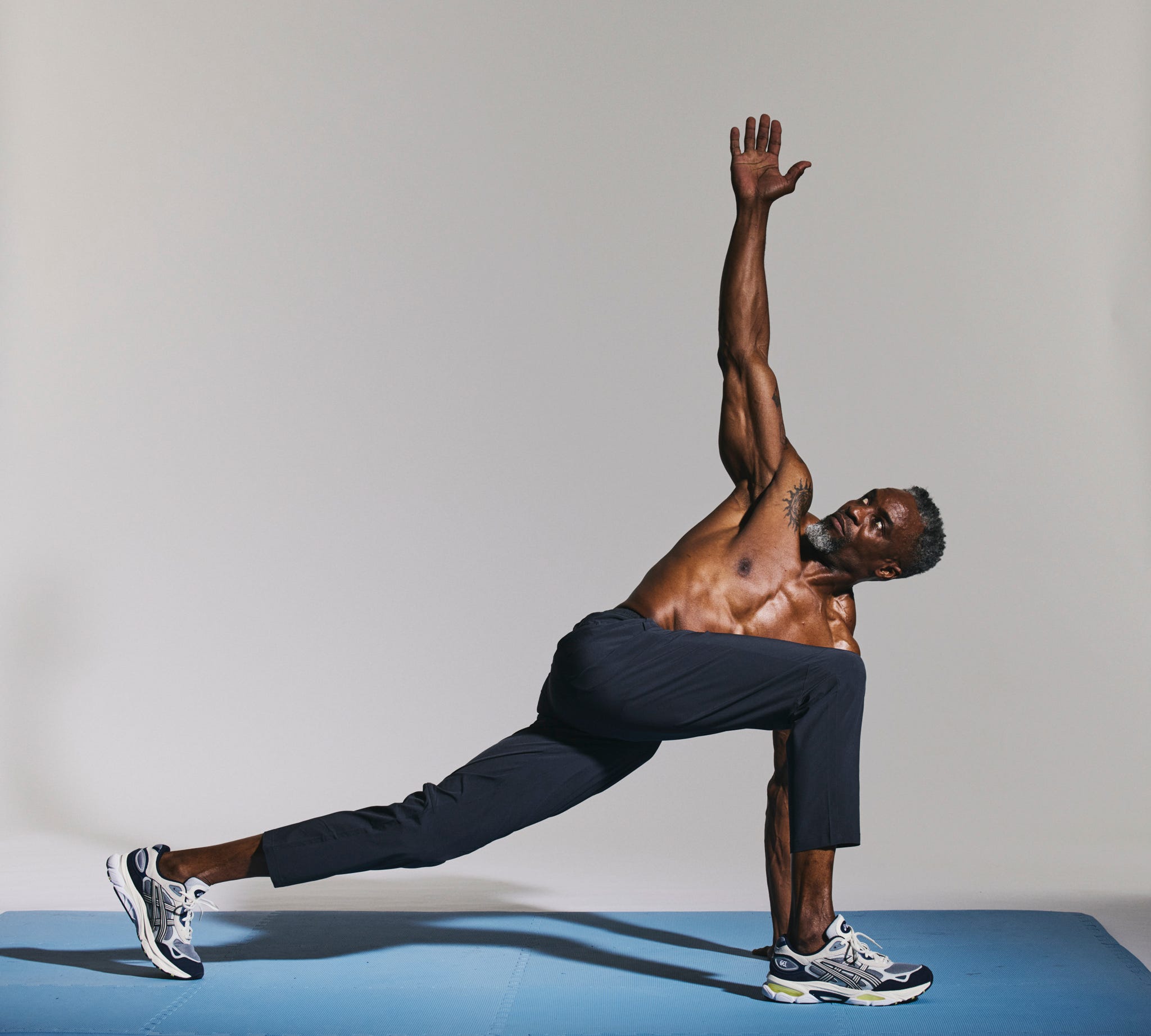
Sore muscles, often considered a badge of honor by fitness enthusiasts, can quickly become an unwelcome reminder of intense workouts. This discomfort, primarily caused by delayed onset muscle soreness (DOMS), typically surfaces 24 to 48 hours post-exercise due to tiny tears in muscle fibers, compounded by inflammation.
According to Dr. Christopher Hogrefe, a sports medicine specialist, DOMS can occur after performing activities unfamiliar to your body, whether you lift heavier weights or increase your walking distance. Symptoms often include muscle aches, weakness, and joint stiffness.
To ease the discomfort and enhance recovery time, experts recommend several effective strategies. Here are ten proven methods to help alleviate sore muscles.
Tips for Alleviating Soreness
1. Do an Active Cooldown
Incorporating a cooldown period into your workouts aids muscle recovery. A study in 2018 highlighted the benefits of performing reduced activity levels (about 50% of your normal pace) after intense exercise, which improves blood flow and reduces muscle soreness significantly. Christie Aschwanden, author of Good to Go, emphasizes that blood circulation is vital for clearing out metabolic waste products from muscles.
2. Drink Tart Cherry Juice
Tart cherry juice is renowned for its anti-inflammatory properties. A 2020 study found that runners consuming this juice reported reduced muscle pain after eight days of intake. Despite its benefits, be mindful of the sugar content in commercial juices, as noted by Dr. Hogrefe.
3. Get a Massage
Massage therapy is a popular recovery technique among athletes. A 2012 study indicated that post-exercise massages significantly alleviate soreness by diminishing inflammation-causing compounds. While more research is needed to fully understand the physiological impact of massage, Aschwanden points out its relaxing benefits, which contribute positively to recovery.
4. Use a Heating Pad
Instead of opting for cold therapy like ice baths, experts suggest using a heating pad. Heat increases blood flow by dilating blood vessels, facilitating the removal of waste products associated with muscle soreness, as explained by Katie Lawton, an exercise physiologist. This method also promotes relaxation, which is crucial for recovery.
5. Foam Roll
Foam rolling, though painful, can significantly aid muscle repair. Research shows that this technique helps reduce swelling and enhances tissue healing. A 2021 study recommended foam rolling post-exercise to diminish muscle tenderness and improve dynamic movement performance.
6. Prioritize Sleep
Sleep plays a vital role in muscle recovery. Even if the connection appears fuzzy, quality sleep can reduce inflammation levels, contributing to overall recovery. Aschwanden affirms that many athletes prioritize sleep, as it is when the body effectively repairs itself.
7. Consume Antioxidants and Protein
Refueling after workouts is essential. A 2017 study found that protein intake significantly enhances muscle recovery when paired with antioxidant-rich foods. Aim to consume meals packed with protein, like chicken or fish, along with antioxidants from fruits and vegetables within hours after intense workouts.
8. Use a Massage Gun
The rise of massage guns offers an accessible alternative to professional massages. Regular use can provide substantial relief at a fraction of the cost, making it an attractive recovery tool for many athletes.
9. Keep Moving
Contrary to intuition, remaining active can effectively alleviate DOMS. Gentle movement increases blood flow, supplying nutrients necessary for muscle repair. Instead of diving straight back into intense workouts, light activities such as walking may help stave off stiffness and soreness.
10. Stay Hydrated
Hydration is crucial for recovery. Dehydration can impede muscle recovery, emphasizing the importance of adequate fluid intake before and after exercise. The American Council on Exercise recommends consuming water both pre- and post-workout to maintain optimal hydration levels.
By incorporating these expert-backed strategies into your routine, you'll not only mitigate the effects of sore muscles but also enhance your overall fitness and recovery experience.
Popular news
New York has declared a disaster emergency over rising measles cases, especially among under-immunized populations, with 108 confirmed cases.




Subscribe to
our news
Get the most important updates and top stories in your inbox.