




 Technology16 Jul 2026
Astronomers Discover Sugar Molecule in Deep Space, Unveiling Cosmic Secrets
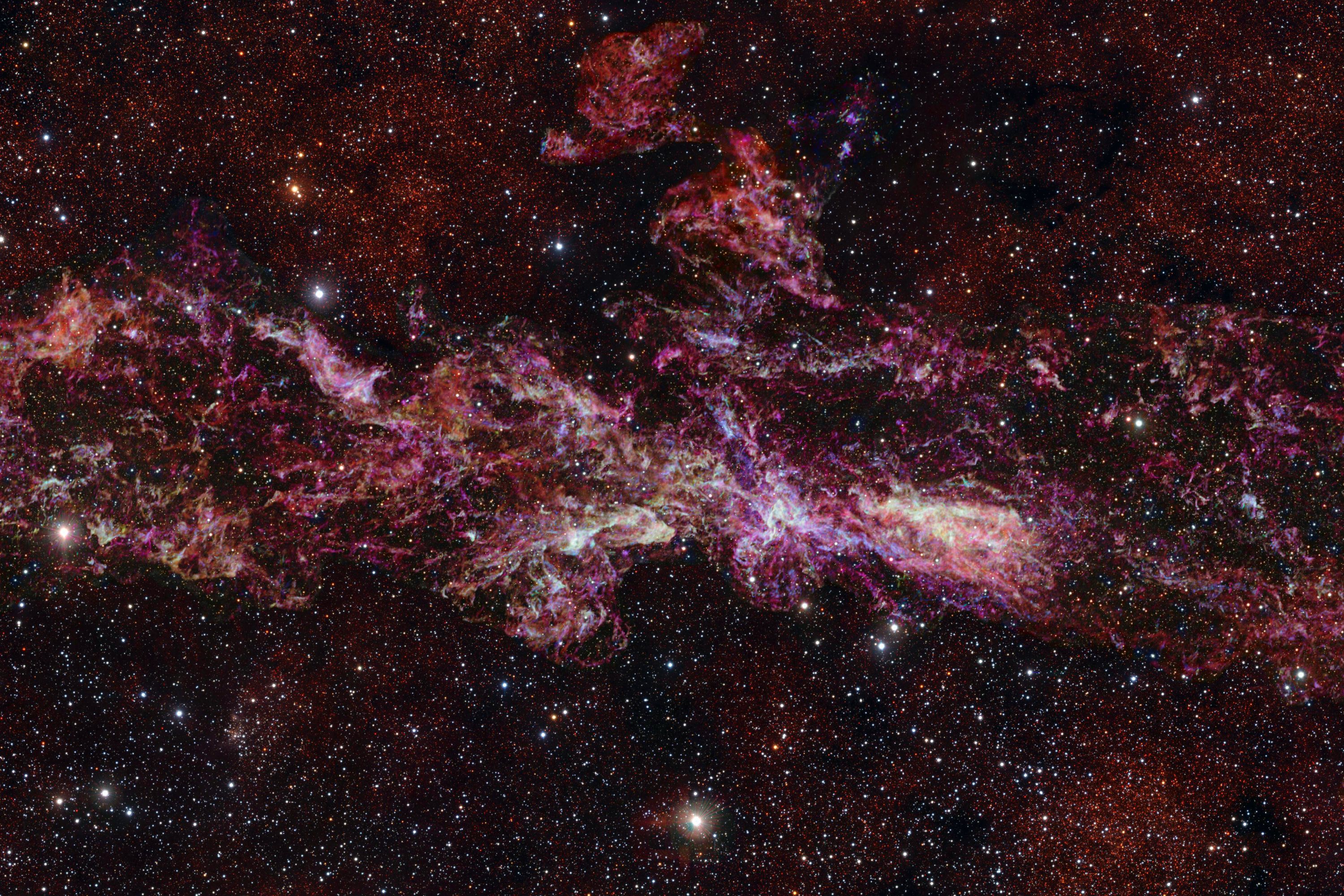
A sugar molecule, erythrose, has been found in deep space, opening new avenues for understanding the origins of life.
Discovery of Erythrose in Deep Space
Astronomers have made a groundbreaking discovery, locating a sugar molecule known as erythrose in the far reaches of interstellar space. This significant find, occurring 26,000 light-years away from Earth, could provide vital insights into the origins of life on our planet. The study, led by Izaskun Jiménez Serra, was published this week in Nature Astronomy and is based on data captured from advanced radio telescopes in Spain.
The Significance of Erythrose
Erythrose is a type of sugar with four carbon atoms, commonly found in certain fruits on Earth. The detection of this molecule in a molecular cloud near the center of the Milky Way marks the first time researchers have confirmed the presence of a saccharine compound in space. The identification of such prebiotic organic molecules hints at the possibility that the building blocks of life may be more widespread across the universe than previously thought.
Context of the Research
The research team focused their efforts on molecular cloud G+0.693−0.027, a particularly rich environment for molecules within the Milky Way. This region lies near a supermassive black hole and has been transformed into a chemical laboratory due to collisions with other clouds. Prior studies had already identified various complex organic compounds in this area, such as alcohols, aldehydes, and urea, but the addition of erythrose adds another layer to this cosmic chemistry.
In 2025, a pivotal discovery regarding another sugar, ribose, found in the asteroid Bennu, previously supported the theory that some sugars may originate from outer space. As ribose is a fundamental component of RNA, this new detection of erythrose—a ketose sugar—further enriches our understanding of how complex organic molecules could sum up in the solar system.
Implications for the Origins of Life
The finding does not confirm the existence of extraterrestrial life nor does it directly explain how life began on Earth. However, it does increase the likelihood that some of the essential molecules required for life, such as sugars, might be synthesized in space. Despite the absence of conclusive evidence regarding the exact origins of these sugars, this work supports the idea that interstellar environments could provide the necessary conditions for the formation of life’s building blocks.
The research was conducted using two prominent radio telescopes: one located at Yebes Observatory, northeast of Madrid, and the other at the Institute for Radio Astronomy in the Millimeter Range, positioned in the Sierra Nevada mountains. Such advanced technology has proven crucial in elucidating the complex chemistry occurring in distant celestial bodies.
In conclusion, while the presence of erythrose in the vastness of space is a remarkable scientific achievement, it serves to deepen our questions regarding prebiotic chemistry and the perpetual mystery surrounding the origins of life. As exploration continues, scientists anticipate that further discoveries will unveil more of the secrets that the universe holds about our beginnings.
Looking Forward
This discovery signals a progressive stride in our understanding of both cosmic chemistry and the potential conditions for habitability beyond Earth. Future studies may focus on continuing to unravel the chemical tapestry of the universe, as researchers endeavor to piece together how life might evolve elsewhere.
Popular news
New York has declared a disaster emergency over rising measles cases, especially among under-immunized populations, with 108 confirmed cases.





Subscribe to
our news
Get the most important updates and top stories in your inbox.