



 World15 Jul 2026
Authors and Publishers Launch Lawsuit Against Google for AI Copyright Violations
Hachette and major publishers sue Google over claims of copyright infringement related to AI training with unauthorized book usage.
Lawsuit Against Google: Authors and Publishers Unite
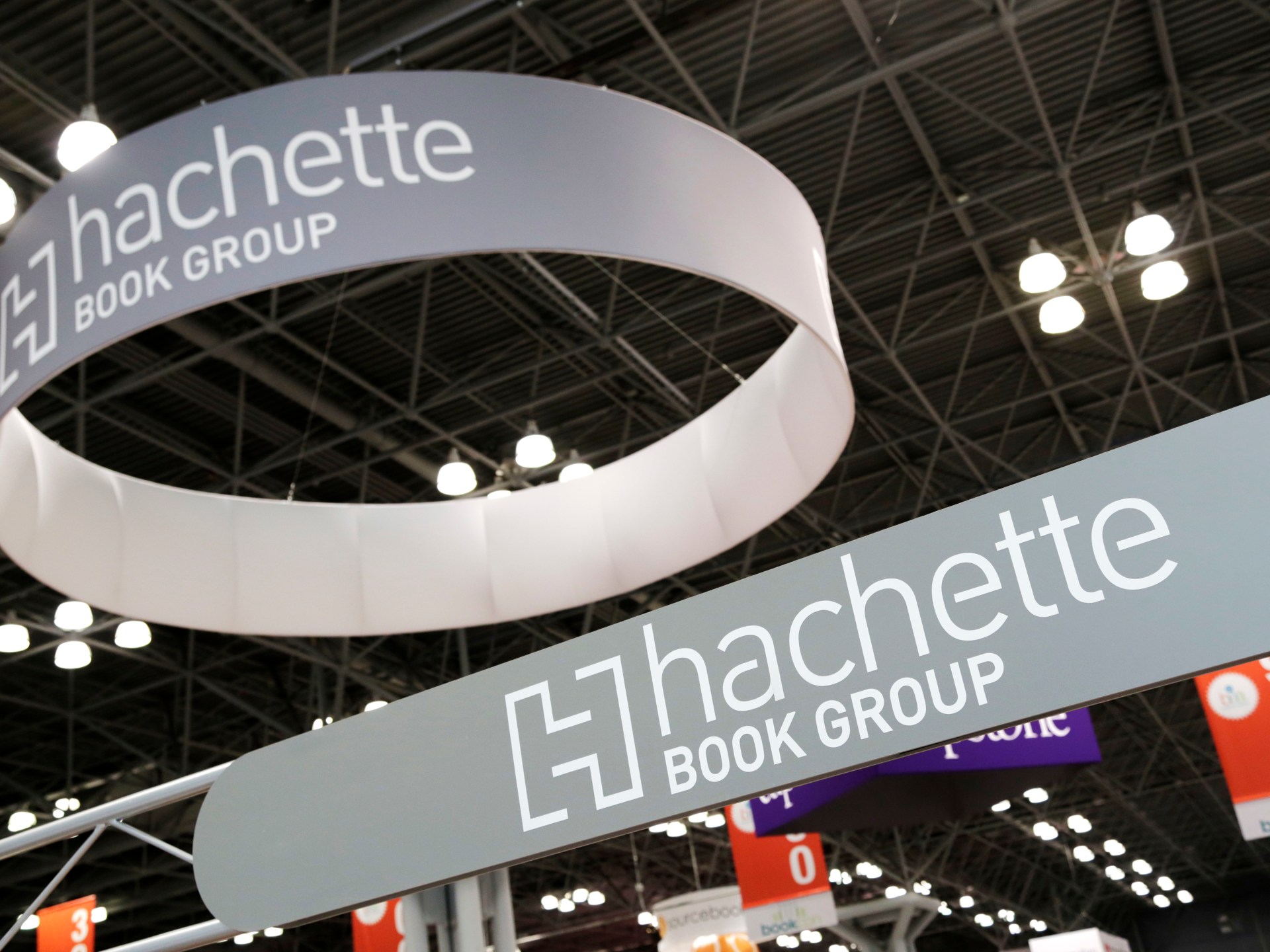
Hachette Book Group, Cengage Learning, Elsevier, and esteemed author Scott Turow have collectively filed a lawsuit against Google in a federal court in New York. This significant legal action alleges that the tech giant committed copyright infringement while training its Gemini AI models by unlawfully utilizing copyrighted works without permission.
Allegations in the Complaint
The nearly 60-page complaint details how Google allegedly misused books obtained through Google Books and other sources. It claims that the company copied texts for unofficial purposes, in direct violation of copyright laws, and that this practice continues unabated. The lawsuit highlights that Google acquired materials initially meant for strictly defined uses in its services, which included downloading expansive web data—even from known dubious or pirate sources.
The suit articulates that Google was aware of the potential legal repercussions of its actions. It cites internal documents that reportedly warned of the serious risks involved in using copyrighted materials for AI model development. The complaint states, "At no point did Google inform authors and publishers that Google was copying their works as source material to develop and train AI models."
The Complexities of Proving Copyright Infringement
Legal experts underscore the challenges presented by this case, particularly in proving copyright infringement specifically related to AI training. Kirk Sigmon, a technology and intellectual property law specialist, commented that the foundational argument against Google's practices hinges on whether the company unlawfully acquired the books to build its AI models—a key element that complicates fair use assertions.
Interestingly, this current lawsuit echoes earlier attempts by Hachette Book Group and Cengage Learning to join a class action initiated by a group of authors in 2023, all pushing back against perceived encroachments on copyright.
A Pattern of Legal Action in the Industry
This lawsuit against Google adds to a growing trend of legal challenges faced by AI companies from the creative industry. Notably, a lawsuit against OpenAI, representative of authors like George R.R. Martin, is currently pending. Conversely, a lawsuit against Meta concerning similar issues ended unfavorably for the authors involved, as a federal judge ruled in favor of AI’s fair use in training practices.
Michael Goodyear, an academic with a focus on copyright law, pointed out that while cases usually follow a familiar pattern—arguing unlawful use of copyrighted works for training—the crux often lies in evidentiary specifics, suggesting a need for clearer guidelines around AI’s use of protected materials.
Economic Implications and the Future of AI Licensing
The vast economic landscape surrounding these legal actions remains uncertain. Publishers like Packt Publishing emphasize that current licensing offers for AI training usage are inadequate, suggesting that the financial terms being proffered do not reflect the value of the intellectual property being utilized. This poses a significant challenge to authors and publishers seeking to protect their rights while navigating the evolving AI landscape.
Beyond the immediate lawsuit against Google, the broader implications affect numerous sectors, from publishing to music and news content, as various companies face similar challenges regarding copyright infringement in the wake of AI advancements.
While the outcome of this case and others like it remains to be seen, it highlights a crucial debate about intellectual property rights and the future of content creation in the age of artificial intelligence.
Popular news
New York has declared a disaster emergency over rising measles cases, especially among under-immunized populations, with 108 confirmed cases.


Subscribe to
our news
Get the most important updates and top stories in your inbox.