 Technology14 May 2026
5 Clever Cooking Hacks to Slash Your Energy Bills
Learn five easy cooking hacks to cut energy costs at home while preparing meals.
Introduction
As energy prices continue to rise, many people are exploring ways to save on utility costs at home. Surprisingly, habits in the kitchen can significantly contribute to high energy bills. From the way you cook food to the types of cookware you choose, simple adjustments can lead to substantial savings. Here are five clever cooking hacks that can help you slash your energy bills while still enjoying delicious homemade meals.
1. Put a Lid on It
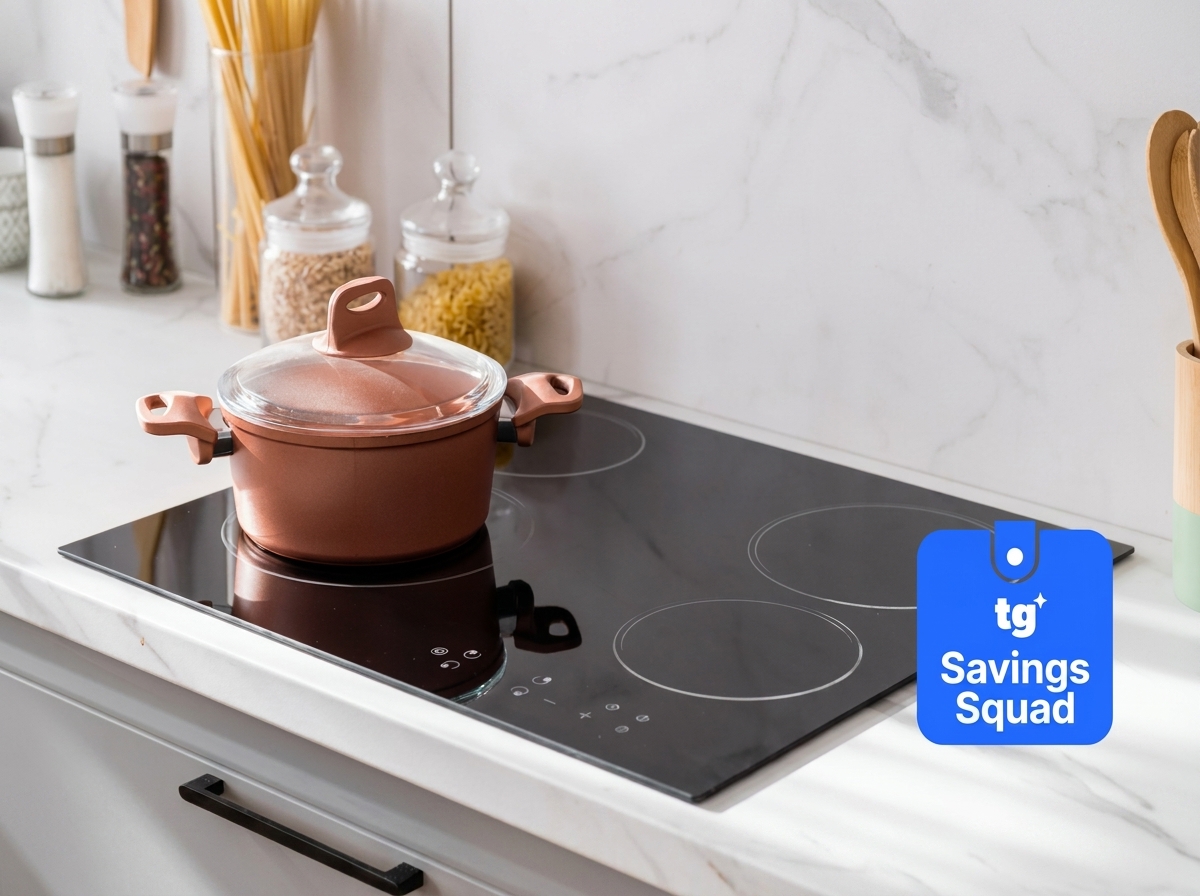
One of the most effective ways to save energy while cooking is by using a lid on pots and pans. When boiling water or steaming vegetables, keeping the lid on not only retains heat better but also speeds up the cooking process. This method reduces energy usage and minimizes steam release, which can help prevent condensation issues in your kitchen. Utilizing a lid is a straightforward adjustment that leads to quicker cooking times and lower energy bills.
Benefits of Using a Lid
- Faster cooking: Retains heat effectively and reduces boiling time.
- Condensation control: Decreases the risk of mold by containing moisture.
2. Avoid Opening the Oven Door
A common practice among home cooks is frequently checking food in the oven by opening the door. Each time the door is opened, the oven temperature can drop by as much as 77°F. This means more energy is required to bring the oven back to the desired temperature. Instead, resist the urge to peek and utilize a good meat thermometer. Additionally, consider turning off the oven about 10 minutes before your food is fully cooked, as residual heat can continue the cooking process without extra energy use.
3. Use the Right Size Cookware
Using a pan that is too large for your stovetop burner can waste energy, as both the empty surface and food need to be heated. Always match your cookware with appropriately sized burners to maximize efficiency. Adopting this habit can lead to noticeable reductions in energy consumption during meals.
Choosing the Right Pan
- Energy savings: Using smaller pans reduces the amount of extra heat being generated.
- Efficiency: Ensures more direct and effective heat transfer to food.
4. Upgrade to Energy-Efficient Cookware
If you're looking to reduce energy usage, consider investing in cookware that heats up more efficiently. Heavy-based pots made from materials like cast iron or ceramic are excellent for retaining heat. These pans often cook food more evenly and use less energy. Furthermore, slow cookers are one of the most energy-efficient kitchen appliances, using significantly less power compared to conventional ovens.
Suggested Cookware
- Cast iron: Holds heat effectively and is versatile for various cooking methods.
- Slow cookers: Use between 75 and 250 watts compared to an oven’s 5,000 watts.
5. Batch Cooking
Batch cooking is another fantastic strategy for saving energy. Preparing larger quantities of food at once not only saves cooking time but also minimizes energy consumption when cooking multiple meals. Whether it's a hearty casserole or a soup, cooking in bulk allows you to use the oven efficiently and provides meals for days to come, reducing daily cooking costs.
Advantages of Batch Cooking
- Time-saving: Prepares meals for the week in one go.
- Energy reduction: Fewer cooking sessions mean lower energy bills.
Conclusion
Incorporating these cooking hacks into your routine can help cut down on energy bills while still enjoying homemade meals. With a few simple changes in your kitchen habits—like using lids, avoiding oven door openings, choosing the right cookware, upgrading to more efficient tools, and embracing batch cooking—you can save money and energy without sacrificing the joy of cooking at home.
Popular news
Netanyahu dismisses West Bank violence as actions of 'juvenile delinquents' during a UN speech, focusing on Israel's military success against Hezbollah.





Subscribe to
our news
Get the most important updates and top stories in your inbox.