 Business05 Oct 2026
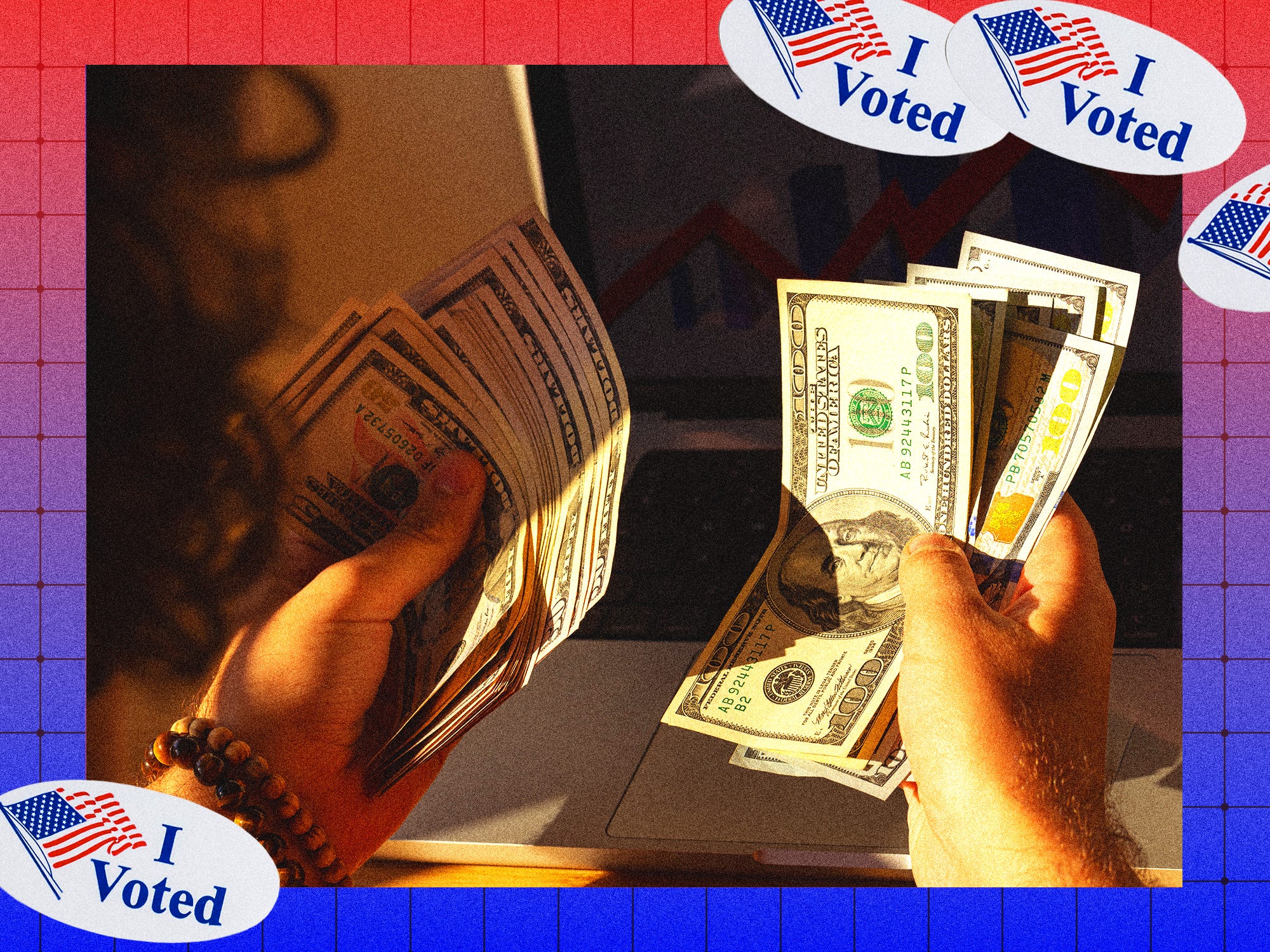
Affordability Takes Center Stage in Upcoming Midterm Elections
With rising costs dominating issues for voters, candidates seek to address affordability in the upcoming midterm elections, especially in key swing states.
Midterm Elections Set to Revolve Around Rising Costs
As the midterm elections approach, the pressing issue of affordability is taking center stage, particularly in swing states where voters are experiencing the impacts of soaring inflation on necessities such as gas, electricity, and housing. A recent poll indicates that nearly half of registered voters (47%) cite living costs as their primary concern in selecting a candidate, emphasizing the urgency for political candidates to present viable solutions.
Candidates across the political spectrum are ramping up efforts to articulate their strategies to mitigate these rising expenses. The contentious nature of Senate races in pivotal states such as Michigan, Texas, and Ohio showcases a battle of ideologies as candidates vie for voter trust and support.
Key Issues: Gas, Electricity, and Housing Prices
Recent data reveals alarming increases in gas, electricity, and housing costs that reflect broader economic challenges. As noted by Zac Owen, a resident of Michigan, the cost of long commutes is exacerbated by excessive gas prices, which have dramatically risen over the past year. "Gas prices here are a major concern; hearing about plans to address them could sway my vote," Owen shared, underscoring the prevalent worries among voters.
In light of escalating energy prices, a war in Iran has further complicated the situation, impacting both gas and electricity prices. As reported, consumer prices rose by 3.4% in August, primarily driven by these geopolitical tensions and ongoing tariffs that have placed additional burdens on consumers. Despite attempts by the Federal Reserve to stabilize the economy, inflation remains above the desired 2% target, leading to further scrutiny of candidates' plans.
Candidates Respond to Economic Pressures
The current political landscape in swing states demonstrates how candidates are tailoring their messages around economic relief. Senate races in Alaska, Iowa, Maine, Michigan, New Hampshire, Ohio, and Texas remain highly competitive, according to analyses by political strategists. Candidates are now prioritizing discussions about affordability to resonate with voters in these critical battlegrounds.
Gas Prices: A Crucial Concern
Gas prices, having surged approximately 46% nationally since early 2025, are a focal point for many campaigns. Republican Senator Dan Sullivan in Alaska has proposed a ban on diesel exports as a means to lower prices, while his challenger, Mary Peltola, has criticized him for supporting policies that inflate costs. Similarly, Michigan candidates are vocal about gas prices; Democratic hopeful Abdul El-Sayed emphasizes his campaign is centered on making gas and grocery costs more manageable.
Rising Electricity Rates
Electricity prices are also a significant concern, with many swing states experiencing hikes above the national average. Maine has seen a staggering 24% increase in electricity rates, a fact that Republican Senator Susan Collins has prioritized in her reelection campaign, promising to combat rising energy costs. This trend reflects broader worries among Americans, as revealed in a recent survey, where the majority expressed fears of an increase in energy bills due to escalating demands on the power grid.
The Housing Dilemma
Housing affordability remains a critical issue as well, with most swing states reporting faster price increases than the national average. Michigan's median home price has risen by about 23%, pushing the housing debate front and center for hopefuls. Republican Mike Rogers focuses on providing assistance for down payments and stimulating new construction to make housing more accessible, contrasting with El-Sayed’s proposals to overhaul existing regulations to foster more affordable housing options.
Conclusion: A Battle for Trust on Economic Solutions
As the midterms approach, voters find themselves at a crossroads, grappling with increasing costs and determined candidates striving to earn their trust with proposed solutions. With affordability shaping up to be a decisive factor in the elections, it is clear that candidates must effectively communicate their plans to address economic pressures to secure voter confidence heading into November.
Popular news
Google's open source bug bounty program is on hold until 2027 due to an influx of invalid AI submissions.


Subscribe to
our news
Get the most important updates and top stories in your inbox.