




 Technology22 Sept 2026
A New Chatbot Aims to Unlock Ancient Greek Texts
Apollo, a chatbot by the Austrian Academy of Science, helps scholars decode damaged Ancient Greek texts with AI, reshaping historical research.
Unlocking the Secrets of Ancient Greek Records
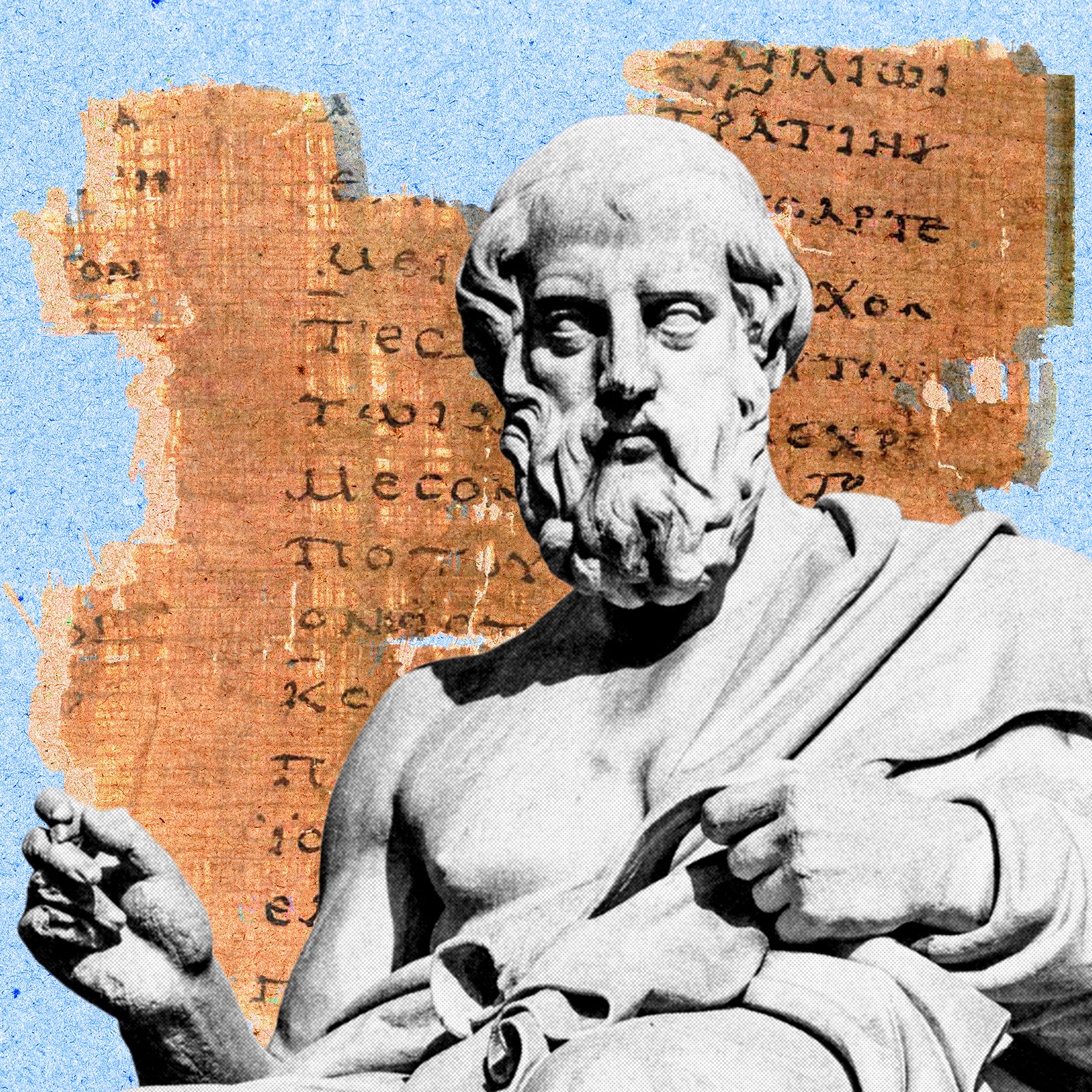
In a groundbreaking initiative, the Austrian Academy of Science has teamed up with the French AI lab Mistral and technology services firm Sail Reply to launch Apollo, the world’s first advanced language model specifically for Ancient Greek. This innovative AI-powered chatbot is set to assist scholars in interpreting damaged papyrus fragments by suggesting likely missing words or phrases based on historical context.
The Need for Apollo
Scholars worldwide are faced with the cumbersome task of restoring countless Ancient Greek papyrus fragments housed in academic libraries. Many of these artifacts are severely degraded, their original meanings likely obscured. However, through meticulous reconstruction, researchers are capable of filling in gaps by identifying unknown words and phrases. Apollo aims to enhance this painstaking process significantly, providing insights and recommendations that could lead to new discoveries in ancient scholarship.
Technical Capabilities of Apollo
Apollo's capabilities come from its training on approximately 600 million historical Greek words sourced from manuscripts, papyri, and inscriptions. Designed for ease of use, this model will be freely available to academics, functioning through a chatbot interface. It primarily assists researchers by helping them rapidly identify relevant papyrus fragments in their respective fields while providing statistically probable replacements for missing text.
Dimitris Vlitas, a partner at Sail Reply, remarked that unlocking ancient knowledge this way “was unthinkable a year ago.” This technology represents a considerable step forward in historical linguistics, allowing researchers better access to ancient texts that have long posed challenges due to their decayed states.
Enhancing Research Efficiency
Historically, reconstructing ancient texts has been a meticulous task. Experts need to identify word divisions, date documents, and contextually interpret the content—all arduous undertakings requiring specialized knowledge. According to Stephen Colvin, a professor of classics at University College London, while few academics possess the expertise necessary to tackle these texts, Apollo integrates all that specialized knowledge.
Anna Dolganov, a historian at the Austrian Academy of Science, explains, “When Apollo encounters a Homeric fragment, it supplements with Homeric Greek; with Doric inscriptions, it employs Doric dialect.” By doing so, Apollo effectively accelerates the reconstruction process, enabling scholars to shift their focus from deciphering the texts to exploring their historical implications.
Armand D'Angour, a professor at the University of Oxford, expressed excitement about the potential of Apollo, stating, “If I had a machine telling me, ‘Here are the three possible words that could fit into that gap,’ it would speed up matters considerably.”
The Scope and Future of AI in Ancient Studies
While Apollo's insights might not revolutionize the overall understanding of ancient texts, it significantly aids in uncovering new details about daily life and practices in antiquity. As Colvin notes, most papyri are mundane, containing personal letters or civil documents. However, D’Angour emphasizes that each contribution adds further knowledge of the ancient world.
If successful, Apollo's model could transition to other ancient languages like Latin and Egyptian, enhancing research across multiple academic disciplines. The implications of AI on historical interpretation are substantial, given recent AI advancements in problem-solving and data synthesis in various fields.
Addressing Potential Concerns
Despite its promising capabilities, concerns about relying too heavily on an AI model persist. Critics warn that without human oversight, language models could distort the historical record with inaccuracies. To mitigate such risks, Apollo is designed to present multiple word options for scholarly selection, preserving human integrity in research. Dolganov stresses the importance of maintaining expert involvement, stating, "If we become totally reliant on AI transcriptions, that’s when the problems start."
In summary, as academics explore the potentials of Apollo, this chatbot heralds a transformative chapter in the restoration and interpretation of Ancient Greek texts, making the world of antiquity more accessible than ever before.
Popular news
António Guterres urges a global ban on autonomous weapons, emphasizing the ethical risks of AI in military decisions.




Subscribe to
our news
Get the most important updates and top stories in your inbox.