




 World01 Oct 2026
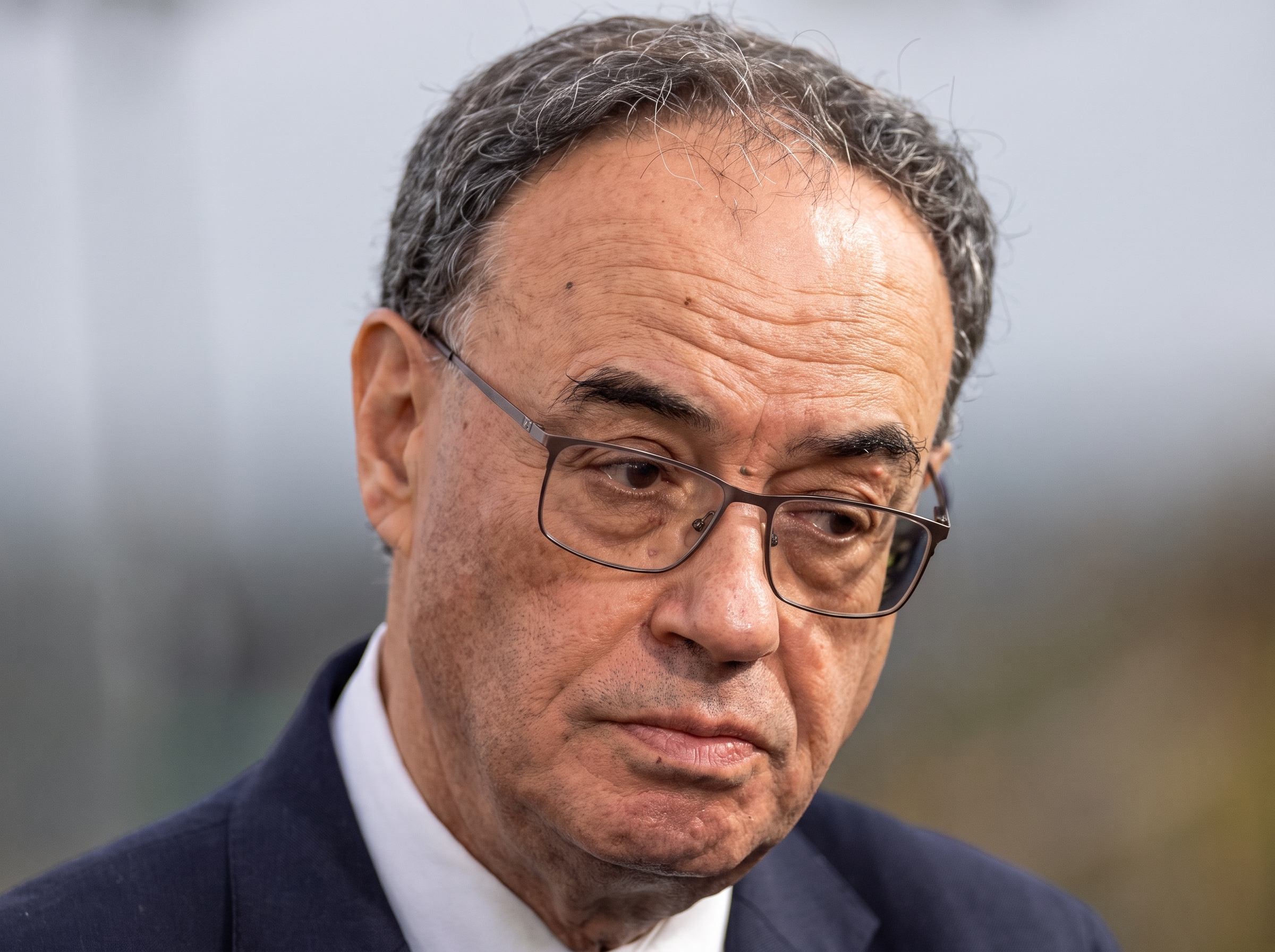
AI Boom Poses Risks of Market Volatility, Warns Bank of England's Andrew Bailey
Bank of England's Andrew Bailey warns the AI boom could cause market shocks, urging caution amid inflated valuations and potential risks.
AI Boom and Financial Market Concerns
The governor of the Bank of England, Andrew Bailey, has issued a stark warning regarding the burgeoning artificial intelligence (AI) sector, stating that it could create substantial shocks in the financial markets. In an exclusive interview with the BBC, Bailey emphasized that while the rapid growth in AI represents a significant economic opportunity, it also poses considerable risks that need to be managed prudently.
The Rise of AI Investments
Bailey noted the vast sums of money flowing into AI-related companies, which have led to inflated valuations, sometimes reaching multi-trillion dollar marks. He expressed particular concern about the sustainability of such market expectations, stating that assets may face corrections in the future.
"You could see some correction of asset prices at some point," Bailey cautioned.
The governor highlighted that heavy investments made by tech behemoths like Alphabet, Meta, Microsoft, and Amazon reflect high expectations for profitable returns from AI advancements. He mentioned examples such as Nvidia, now valued at $5.5 trillion, driven by investor belief in AI's transformative power.
Potential Risks of the AI Market
Despite the optimism surrounding AI, Bailey stressed that not all investments will bear fruit. He referenced historical precedents, such as the early internet era, urging that "not everybody is a winner". He illustrated this point with the example of Netscape, which once led the internet search market but is now largely forgotten.
"Google was not the first market leader in internet search. It was Netscape. Nobody can remember Netscape today. It doesn't exist."
Bailey asserted the necessity for the financial system to remain resilient against potential market shocks that may arise from the ongoing AI investments.
Cybersecurity Threats and Deepfakes
In addition to financial risks, Bailey highlighted emerging threats linked to AI technologies. He pointed out that AI can facilitate cyber attacks by revealing vulnerabilities in software that may broadly impact users. He described AI's capacity to magnify existing security weaknesses as a pressing concern for both businesses and individuals.
Furthermore, Bailey addressed the growing concern of deepfakes—AI-generated content that can mislead the public. Referring to a troubling personal experience with fabricated images of himself circulated on social media, he called for increased cooperation from the tech sector to combat these deceptive practices.
"We've got to be able to trace these things back. And we need a lot of help from the tech sector to do that," he said.
The Positive Impact of AI on Monetary Policy
Despite these risks, Bailey acknowledged the potential benefits of AI, particularly in enhancing the efficiency of the Monetary Policy Committee's operations, which focus on setting interest rates. He stated that AI can serve as a valuable tool for policymakers, speeding up workflows without making decisions independently.
"It's not taking a decision, but it's a tool in the hands of the policy maker and that's good," he explained.
As the UK navigates the complexities brought on by the rise of AI, Bailey's comments urge caution while also recognizing the necessity of maintaining innovative growth amidst potential market volatility.
Popular news
Timnit Gebru, Ethiopian AI innovator, has won the prestigious Swedish Right Livelihood Award for her work on bias in artificial intelligence.





Subscribe to
our news
Get the most important updates and top stories in your inbox.