




 Business30 Sept 2026
Boeing Soars After Winning $20 Billion U.S. Navy Fighter Jet Contract
Boeing's stock rises 3% on a $20 billion contract with the U.S. Navy for next-gen fighter jets, while Northrop Grumman sees a decline.
Boeing Makes Major Gains with U.S. Navy Contract
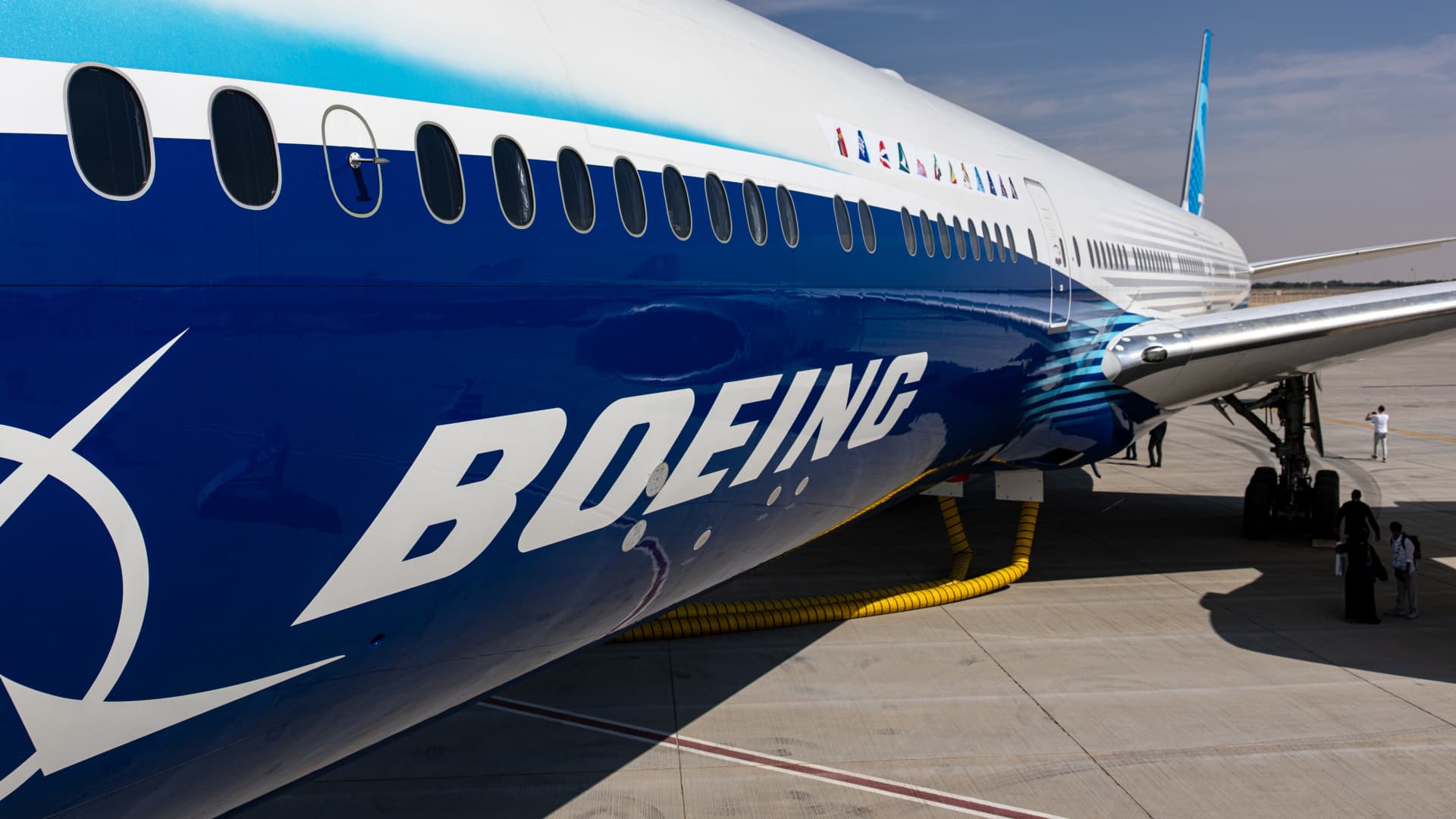
In a significant boost for its stock, Boeing experienced a rise of 3.1% in premarket trading on Wednesday after the company secured a $20 billion contract with the U.S. Navy. This deal mandates Boeing to develop the next-generation Sixth-Generation F/A-XX Strike Fighter, which is set to replace the aging fleet of F/A-18 Super Hornets.
Details of the F/A-XX Strike Fighter Contract
The contract, confirmed by both the U.S. Department of Defense and Navy, establishes a long-term plan for the development of the F/A-XX fighter jet. Boeing officials highlighted that the new fighter will be equipped with advanced open mission systems architecture, enhancing both operational reach and combat effectiveness.
Michael P. Duffey, Under Secretary of War for acquisition and sustainment, emphasized the importance of the F/A-XX for maintaining national security. "The F/A-XX is a critical pillar in our commitment to maintaining peace through strength. It will dominate contested airspace and deliver a decisive combat advantage for the warfighter," Duffey stated.
This recent contract marks Boeing's second significant win in the realm of sixth-generation fighter jets within a year, having previously been selected by the U.S. Air Force to develop the F-47 fighter jet in 2025.
Market Reactions and Competitor Response
While Boeing's shares soared, rival Northrop Grumman, another major player in the aerospace and defense sector, saw its stock decline by 3.5%. The competitive nature of the defense contracts has often seen Boeing outperform Northrop, particularly for high-stakes government deals.
The ongoing advancements in military aviation technology underscore Boeing's strategic focus on innovative fighter aircraft that enhance U.S. combat capabilities.
Challenges Ahead: Boeing's 737 Max 10 Software Issue
In another pressing issue, Boeing has flagged a software glitch in its 737 Max 10 aircraft, which affects certain landing procedures. This problem prompted the Federal Aviation Administration (FAA) to delay the aircraft's certification process. FAA Administrator Bryan Bedford noted, "We haven't concluded whether this is a safety-of-flight issue or not, but we will be delaying the 10 until we are satisfied that we don’t have an issue here."
Amid these challenges, Boeing continues to secure crucial contracts that bolster its role in defense and aviation markets, affirming its resilience and strategic positioning in a competitive landscape.
Popular news
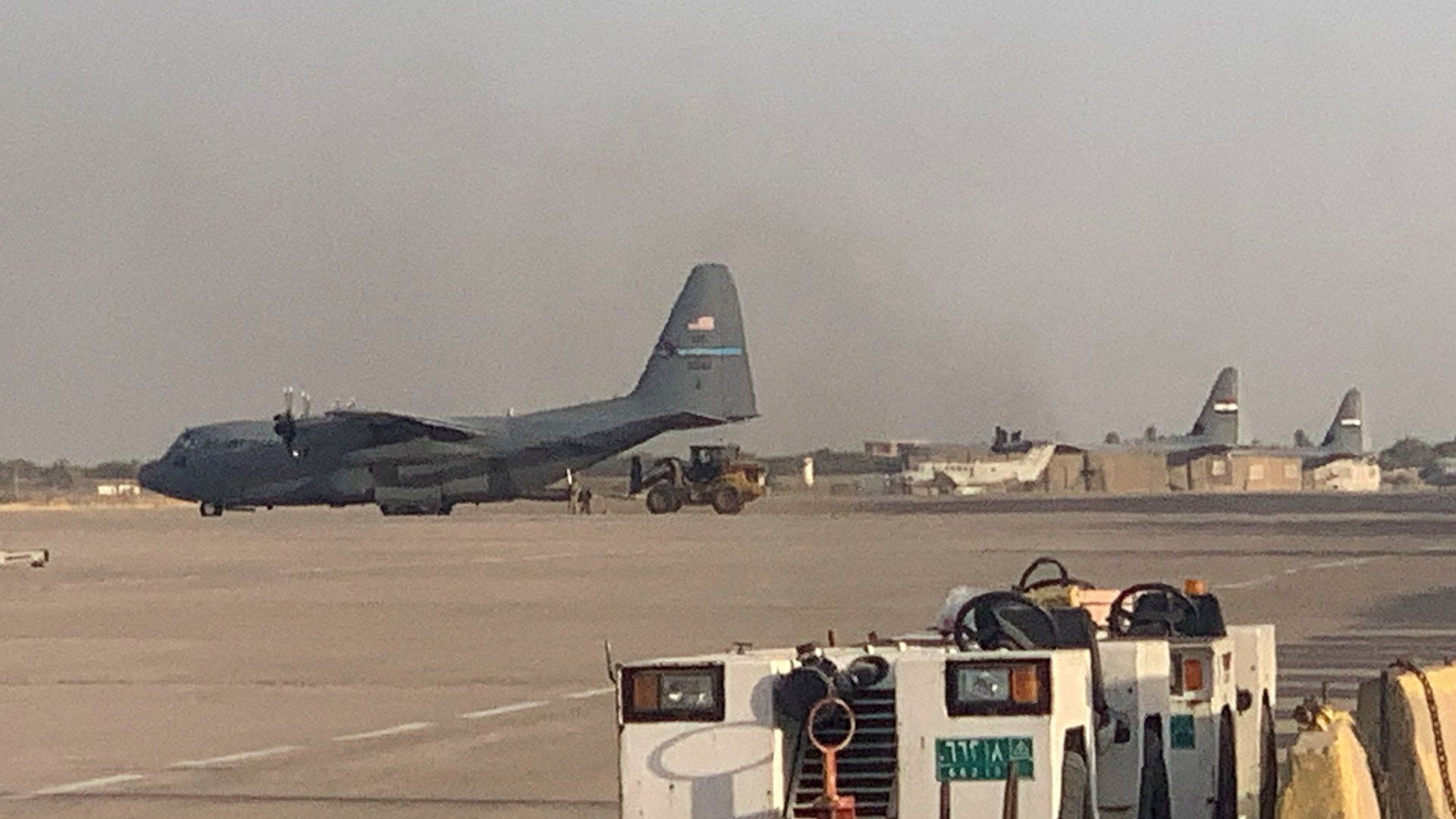
The US Army has fully withdrawn from Baghdad, concluding a 20-year military mission that began in 2003 with the invasion to depose Saddam Hussein.



Subscribe to
our news
Get the most important updates and top stories in your inbox.