




 Business17 Jul 2026
Airlines Utilize AI Technology to Optimize Seatbelt Sign Activation During Flights
AI tools like SkyPath are transforming how pilots activate seatbelt signs, enhancing safety by predicting turbulence more accurately.
AI Transforms Flight Safety Practices
In recent years, airlines have increasingly turned to artificial intelligence to enhance passenger safety, particularly in managing seatbelt sign activations during flights. Tools like SkyPath offer unprecedented insights into turbulence patterns, allowing pilots to make smarter decisions and improve overall flight safety.
Recent turbulence incidents have underscored the need for better predictive tools in aviation. According to reports from Business Insider, unexpected turbulence has resulted in numerous flight-related injuries. Passengers are often caught off guard, leading to dangerous situations where the seatbelt sign is not activated in time.
The Role of AI in Turbulence Prediction
Understanding Turbulence
Turbulence remains notoriously difficult to anticipate. Factors like shifting weather and clear-air turbulence create scenarios where even seasoned pilots struggle to predict what lies ahead. Captain Will Ware, who boasts over 40 years of pilot experience, reveals that determining when to turn on the seatbelt sign involves balancing safety concerns, passenger comfort, and the realities of commercial flying.
Flipping the seatbelt sign on too early can disrupt cabin service, whereas delaying it could expose both crew and passengers to increased risk. To support their decision-making processes, pilots have begun adopting AI technologies that can harness real-time data far more effectively than traditional methods.
The SkyPath Advantage
SkyPath is emerging as a leader in this domain, providing AI-driven insights that are currently being utilized across several major airlines such as United Airlines, Delta Air Lines, and Japan Airlines. By analyzing data collected by iPads from aircraft already in the air, SkyPath offers pilots a more comprehensive understanding of potential turbulence ahead. Its predictions of turbulence can provide an accuracy of up to 90% up to 24 hours in advance.
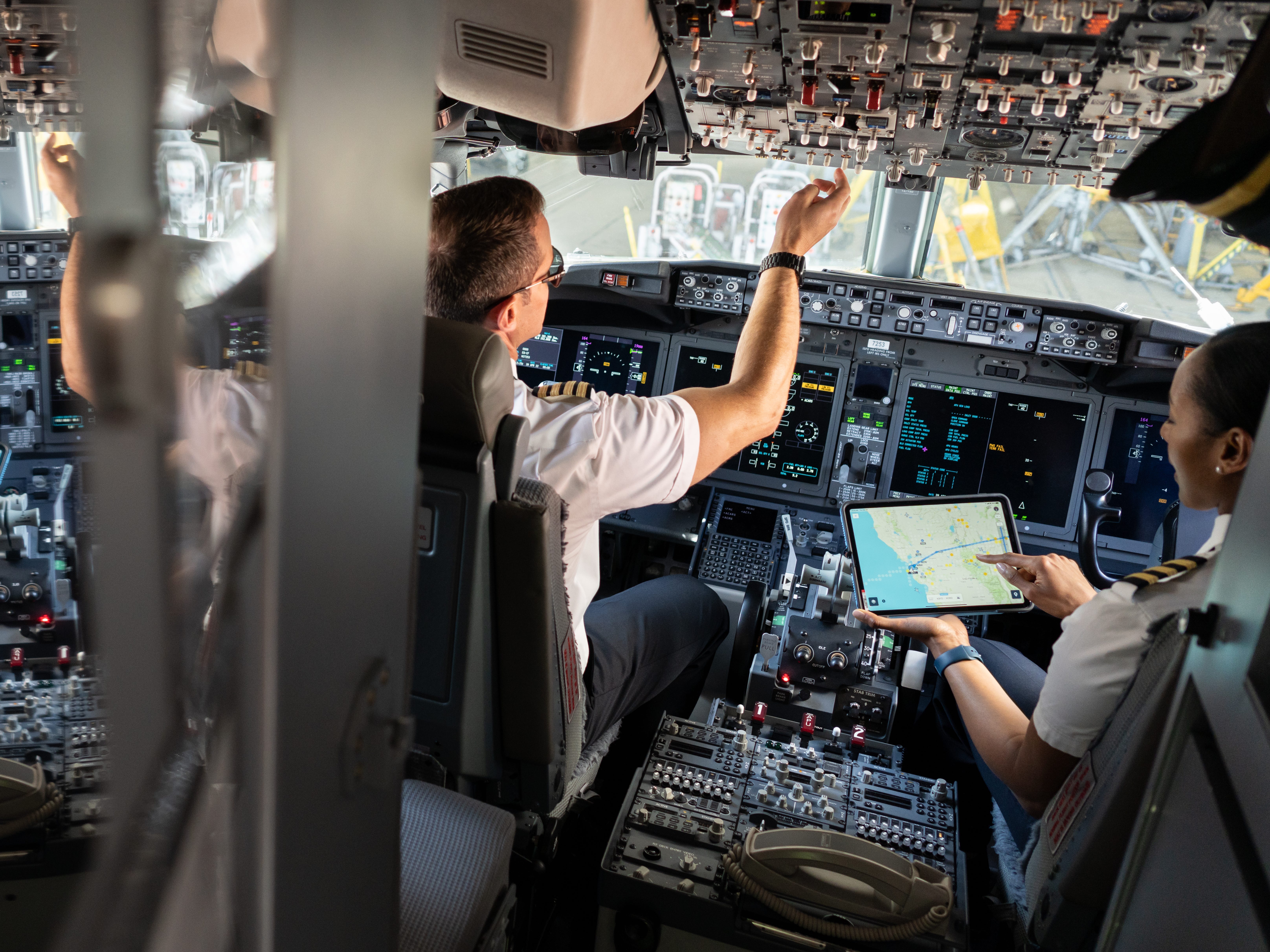
Captain Ware utilizes SkyPath’s predictive technology to inform his flight crew. "My iPad gives me a little message that says, 'You might have moderate turbulence in 13 minutes,'" he explained. This message allows flight attendants to secure themselves and passengers before rough air is encountered, which can significantly improve safety outcomes during flights.
Courtesy of SkyPath
Enhanced Decision-Making Capabilities
Data-Driven Confidence
Early results from SkyPath indicate a noteworthy improvement in turbulence management among pilots. A study from Japan Airlines noted that this new technology not only reduces workload for pilots but enhances overall safety. The data reveals a roughly 50% reduction in encounters with moderate turbulence, ultimately allowing for better-prepared crews and safer flights.
SkyPath’s research also indicates that relevant turbulence data was available to pilots in 79% of real-world turbulence incidents reviewed, providing crucial opportunities for preventive action, such as adjusting altitude or activating the seatbelt sign sooner than previously possible.
Tackling Passenger Anxiety
Reducing Fear of Turbulence
One of the most significant challenges facing the aviation industry is mitigating passenger fear of flying, which often stems from turbulence. Statistics show that a significant portion of adults experience anxiety connected to flights, with turbulence acting as a major trigger. SkyPath not only aims to enhance safety protocols but also helps ease passenger discomfort by providing timely updates from trusted cockpit sources.
Captain Ware describes turbulence as akin to a bumpy road for passengers. Innovations like SkyPath empower airlines to inform passengers about upcoming conditions, giving them a sense of control and reassurance throughout their journey.
SkyPath represents a forward leap in aviation technology, which is crucial in ensuring that incidents involving turbulence and passenger safety are minimized as the industry continues to evolve.
ViralPress via Reuters Connect
In a landscape where climate change is exacerbating turbulence patterns, staying ahead of potential dangers is more important than ever, making the evolution of AI-driven tools like SkyPath a significant boon for the airline industry.
Popular news
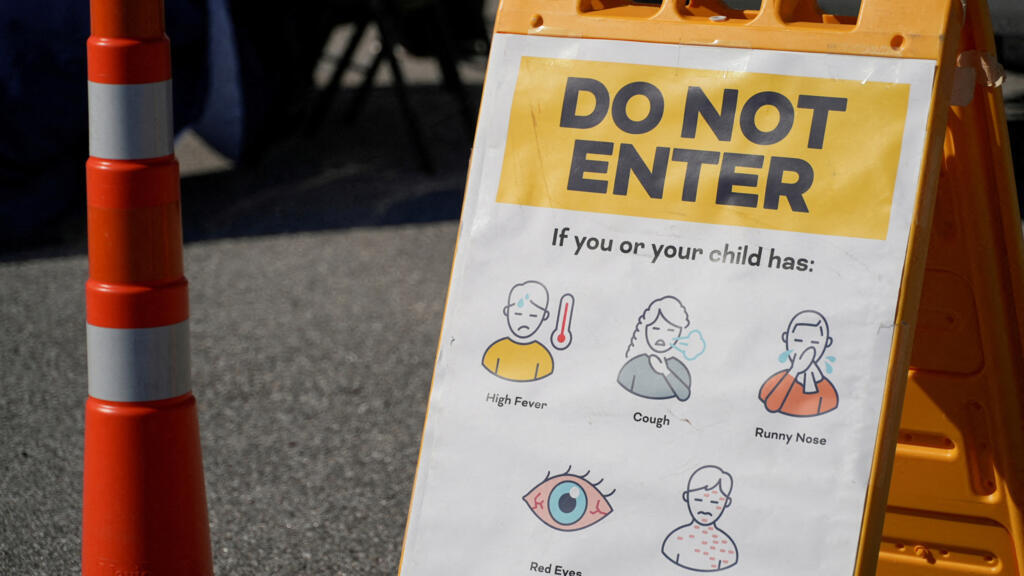
New York has declared a disaster emergency over rising measles cases, especially among under-immunized populations, with 108 confirmed cases.



Subscribe to
our news
Get the most important updates and top stories in your inbox.