 Technology14 May 2026
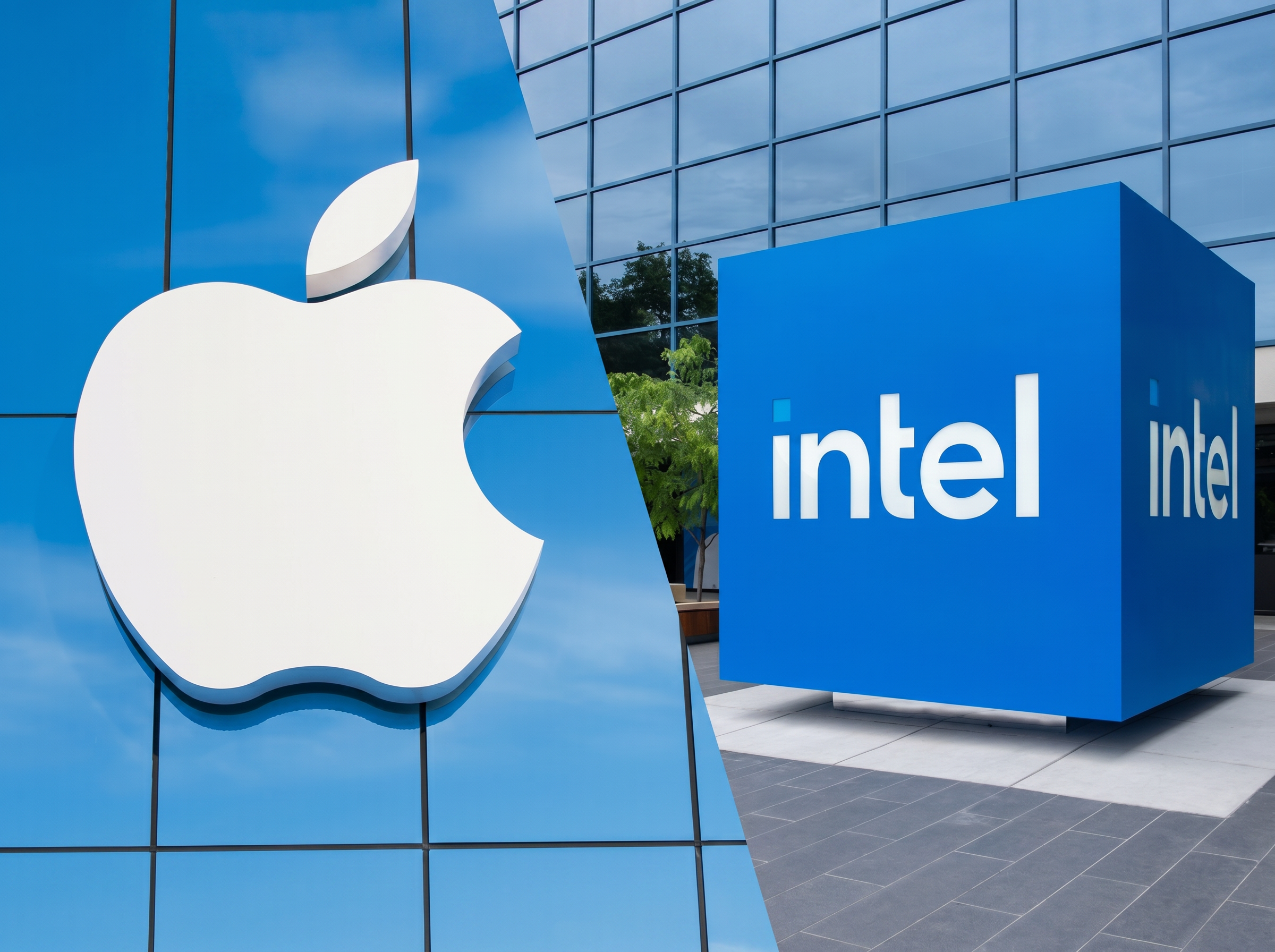
Apple Reunites with Intel for Chip Production Ahead of New Devices
In a surprising move, Apple has re-engaged Intel to manufacture chips for its upcoming devices, including iPhones and iPads.
Apple Partners with Intel for Chip Manufacturing
In a notable shift in its supply chain strategy, Apple has reportedly re-established a partnership with Intel to manufacture significant components for its upcoming iPhone, iPad, and Mac models. This collaboration comes after a six-year hiatus during which Apple transitioned to its own M-series processors.
Details of the Partnership
According to prominent industry analyst Ming-Chi Kuo, Apple and Intel have commenced initial chip production, with a staggering 80% of the output designated for iPhones, particularly targeting lower-end models. This partnership marks a substantial development for Intel, providing them with a "once-in-a-generation window" to reclaim a foothold in Apple's chip supply chain, previously dominated by TSMC (Taiwan Semiconductor Manufacturing Company).
Reports from The Wall Street Journal highlight that the agreement followed extensive negotiations between the two tech giants, aiming to address the evolving demands of Apple’s product lineup. The collaboration enables Intel to leverage its new technology, particularly the 18A nodes from Panther Lake silicon, although these chips are expected to be used primarily in older models still available on the market.
Implications for TSMC and Apple's Chip Strategy
Despite this revitalized alliance with Intel, TSMC remains crucial to Apple's high-end product line, retaining an impressive 90% share of the supply for more advanced processors. Kuo's insights suggest that Intel’s focus will primarily be on budget-friendly devices such as the e-series iPhones and potential low-cost Mac models, contrasting with TSMC's role in powering high-end devices like Pro model iPhones and the latest MacBooks.
This strategic split could allow Apple to segment its product offerings effectively, catering to various market segments while managing supply chain pressures more adeptly.
Future Outlook
As Apple continues to innovate while navigating semiconductor shortages and demand fluctuations, this collaboration with Intel could signal a comprehensive reevaluation of its chip production strategy. The integration of Intel manufacturing is particularly timely as Apple prepares to introduce new products that rely on efficient and effective chip technology.
While the partnership with Intel represents a significant return to past practices, it underscores Apple’s commitment to leveraging diverse sourcing strategies to meet its product demands in a competitive tech landscape. Future releases, set to be teased in the coming months, will likely highlight this new strategy.
Popular news
Netanyahu dismisses West Bank violence as actions of 'juvenile delinquents' during a UN speech, focusing on Israel's military success against Hezbollah.





Subscribe to
our news
Get the most important updates and top stories in your inbox.