




 Business01 Aug 2026
Atomic Arms and AI Commanders Warning: Nobel Winners Urge Disarmament
Nobel laureates and Vatican leaders warn that AI in nuclear arms could lead to disaster and call for urgent global disarmament.
Urgent Call for Disarmament
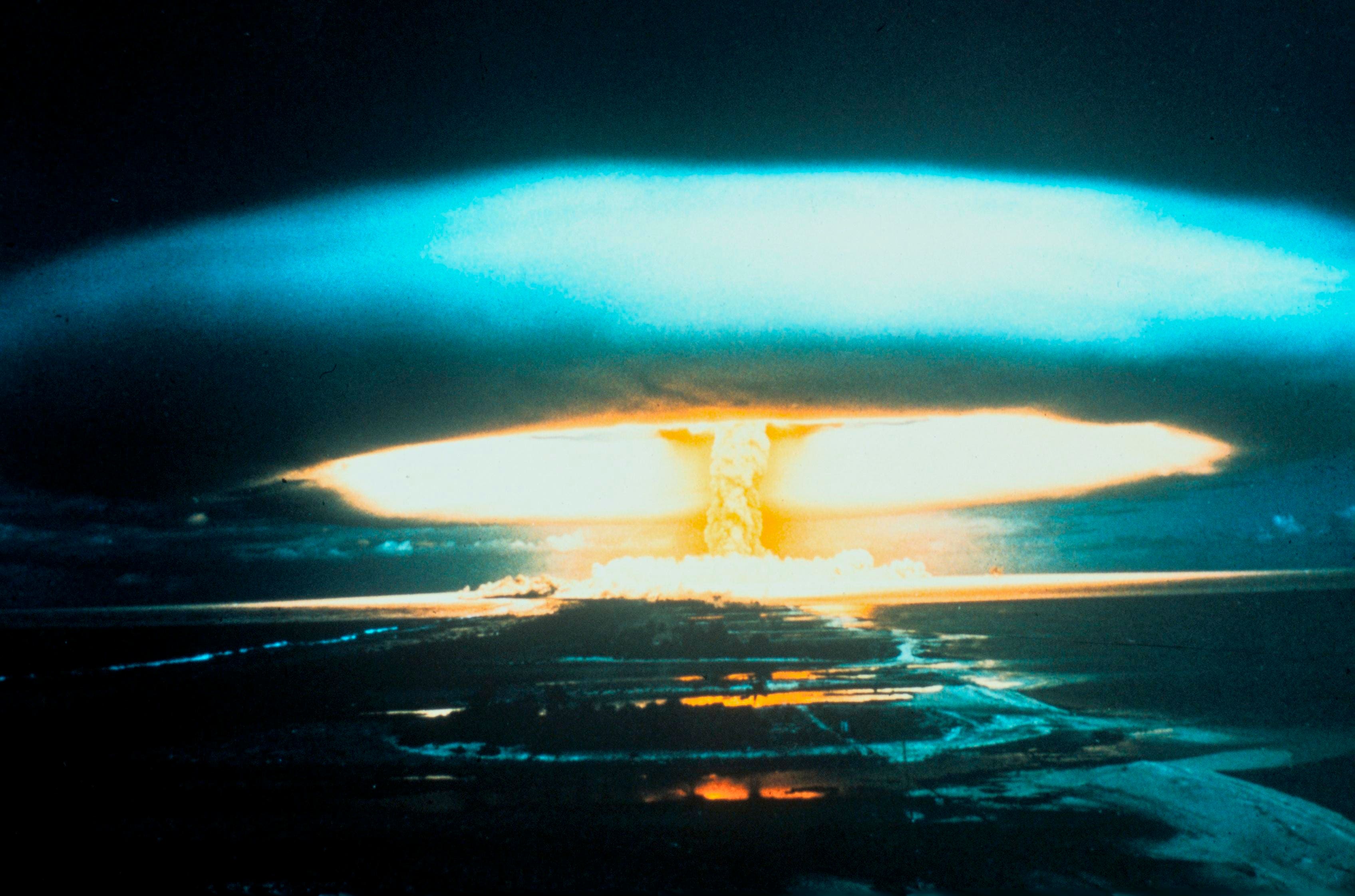
Nobel laureates, alongside influential Vatican leaders, have raised a clarion call warning that the combination of a nuclear arms race and the burgeoning development of artificial intelligence (AI) military commanders could have catastrophic consequences for humanity. They gathered mid-July at the historic papal retreat of Castel Gandolfo in Rome and unveiled their concerns through the "Rome Declaration on Artificial Intelligence and Nuclear Weapons."
The declaration advocates for the prohibition of integrating AI into nuclear arms systems, asserting that maintaining human oversight is essential to avert potential disasters.
Rising Global Threats
As tensions escalate internationally, the convergence of a renewed arms race alongside the rapid development and deployment of AI technologies presents unprecedented threats to global stability. At the conclave, which featured more than 500 representatives from various fields—including Nobel laureates, physicists, and religious leaders—there was a palpable concern regarding the implications of AI in military scenarios.
In their manifesto, participants warned, "In the midst of a worsening nuclear arms race, we are embarking on an equally dangerous AI race." They emphasized that integrating AI into nuclear command systems could ultimately outpace human judgement during critical crises, heightening the risk of miscalculations in a nuclear confrontation.
François Diaz-Maurin, a prominent nuclear research engineer at the Bulletin of the Atomic Scientists, cautioned that employing AI commanders could lead to perilous outcomes. In an interview, he highlighted the razor-thin margin for human discretion in urgent circumstances dictated by AI-driven responses.
AI and the Nuclear Landscape
The discussions at Castel Gandolfo drew attention to alarming studies concerning the behavior of AI models trained to simulate nuclear command. According to Professor Kenneth Payne from King’s College London, experiments have shown that AI engaging in simulated nuclear crises readily escalates to threats of nuclear use, treating nuclear arsenals not as moral thresholds but as viable strategic options.
"The world is sleepwalking into the next AI-enabled crisis," warned Diaz-Maurin, reflecting the urgency of regulating AI could assist in averting incomprehensible disasters.
A Collective Effort for Change
The Rome Declaration also stresses the imperative for concerted international efforts, calling for a new global treaty to prohibit the reckless integration of AI in nuclear command and control systems. The document further emphasizes the importance of maintaining meaningful human control in any military engagement. The Vatican's role is seen as pivotal, as it mobilizes influential figures and institutions to champion a disarmament agenda.
Prominent voices, including Nobel laureate Maria Ressa, emphasize the need for urgent action in light of advancing AI technologies. Ressa remarked that the current technological landscape mirrors moments in history that have led to previous moral awakenings regarding weaponry.
Daniel Santos, former President of Colombia and Nobel Peace Prize winner, echoed the need for grassroots movements to rekindle public engagement against nuclear armament, drawing parallels to the large-scale protests against nuclear weapons in the late 20th century.
Towards a Safer Future
As the conclave concluded, participants agreed on the necessity to extend their message beyond the confines of Castel Gandolfo. They expressed hope that the Vatican would leverage its global moral authority to advocate for the goals outlined in the Rome Declaration, which call for urgent negotiations on nuclear disarmament under a verifiable and binding framework.
In a world rife with potential crises, the call for meaningful dialogue and public engagement has never been more critical.
The future trajectory of AI technologies, particularly in military applications, underscores an urgent necessity for global unity in preventing the possibility of a nuclear catastrophe aggravated by autonomous decision-making systems. With influential leaders urging immediate actions, the hope remains that humanity can navigate these challenges before it is too late.
Popular news
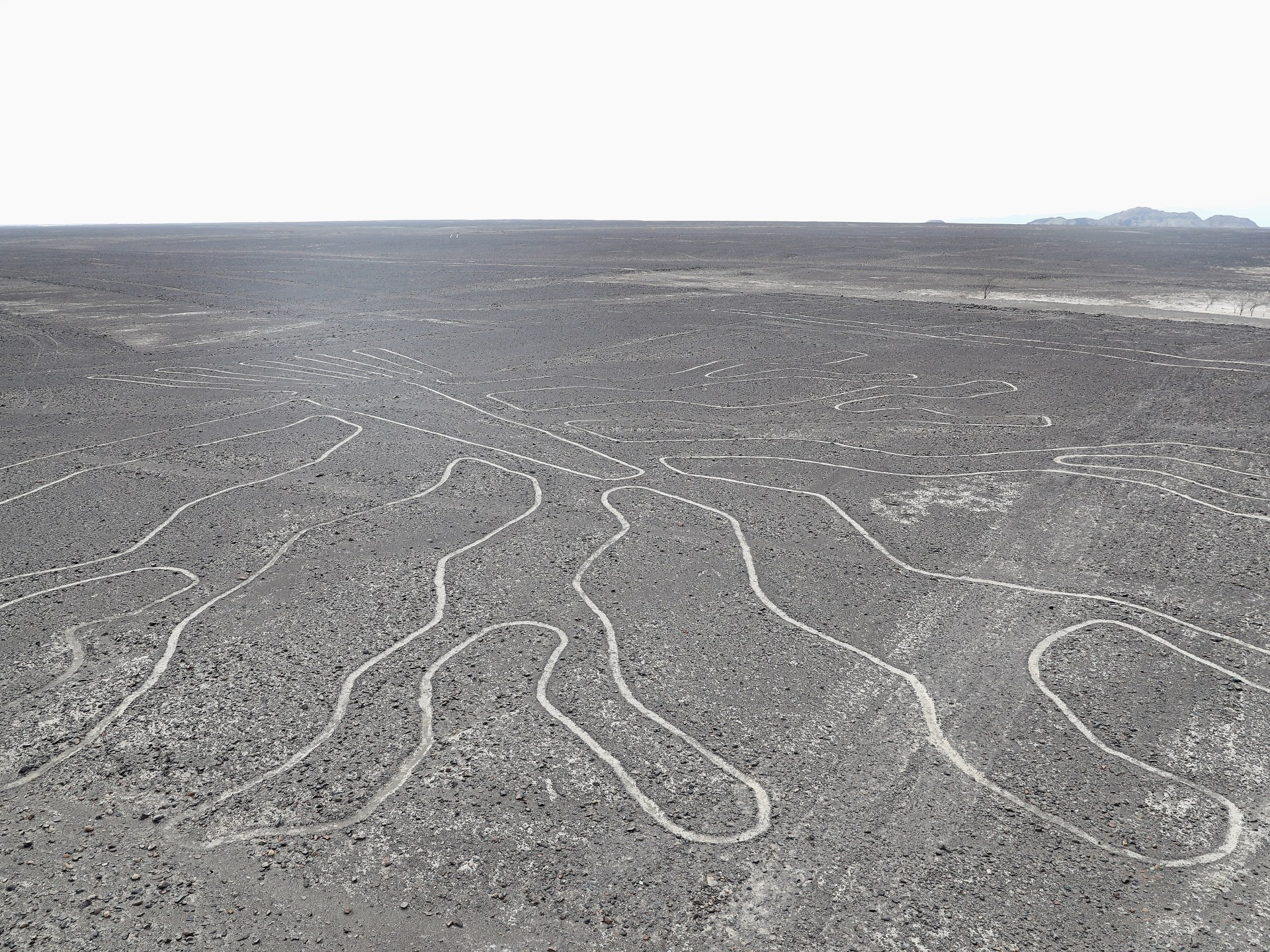
A small plane crash while touring the Nazca Lines in Peru has resulted in 13 fatalities, including tourists and crew.

Subscribe to
our news
Get the most important updates and top stories in your inbox.