




 Business30 May 2026
Can AI Grow Without Hurting Local Communities?
Investments in AI data centers grow, but Michigan's AG pressures for transparency on their impact on local communities.
The Rising Tide of AI Data Centers
The technological advancements in artificial intelligence (AI) are spawning a rush to build data centers capable of supporting this burgeoning sector. As trillions of dollars pour into such infrastructure projects, local communities are grappling with the implications of these developments. The increase in investment prompts vital questions concerning the balance between technological growth and community welfare.
Local Concerns: Electricity and Resource Management
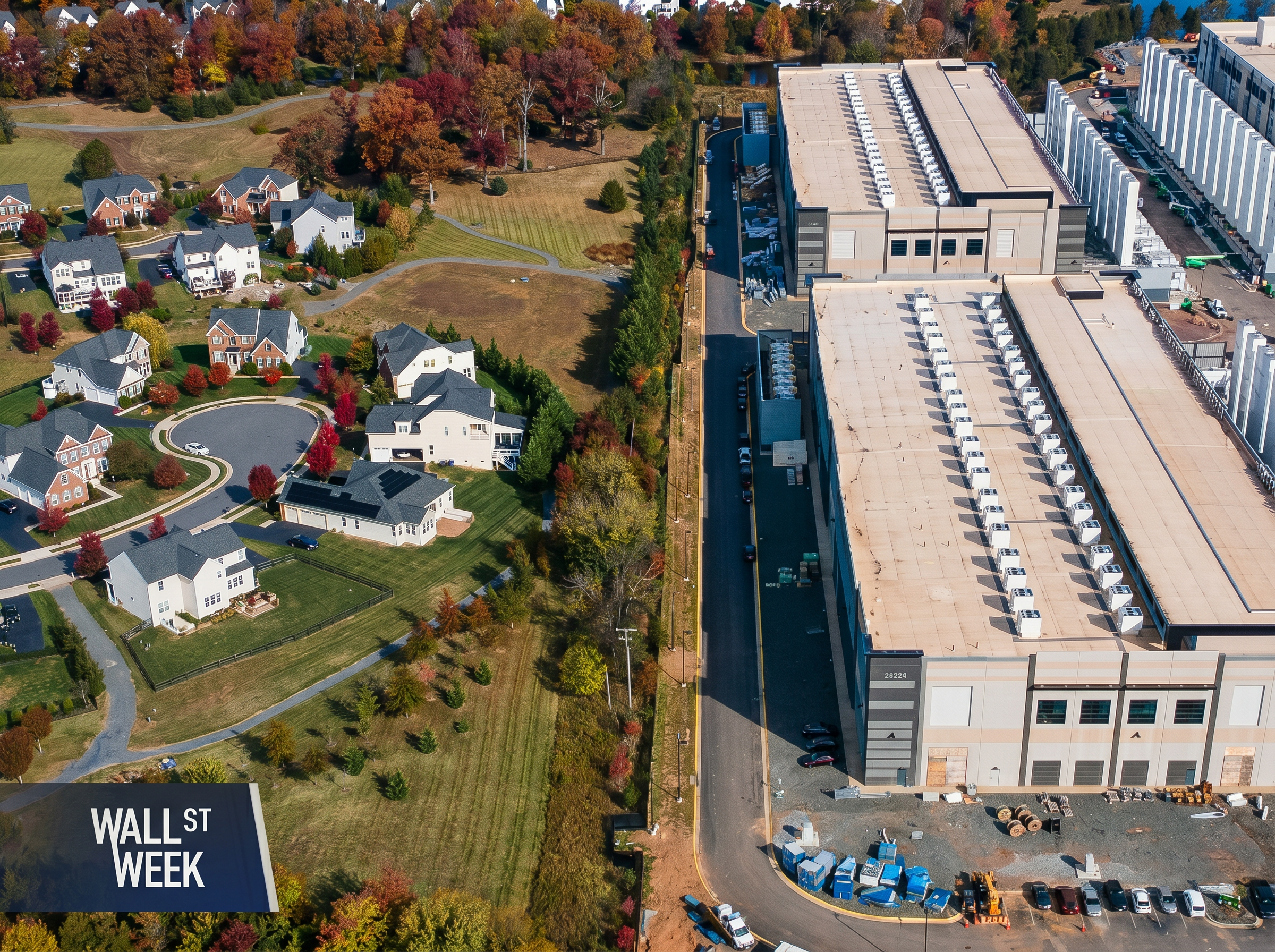
Community officials and residents are increasingly vocal about their concerns regarding the impact of AI data centers on local resources. Key issues include:
- Electricity Costs: Data centers consume vast amounts of energy, which can drive up electricity prices for local consumers.
- Water Usage: Many data centers also require significant water supplies for cooling purposes, leading to potential strain on local water sources.
- Noise Pollution: The operation of these facilities can generate considerable noise, affecting the quality of life in nearby neighborhoods.
- Transparency and Accountability: As these facilities are constructed, there is a growing demand for transparency regarding contracts and costs, particularly concerning who will ultimately bear the financial burden.
Michigan's Legal Challenge
In Michigan, Attorney General Dana Nessel is notably taking a stand against a major AI data center project proposed near Ann Arbor. She has raised concerns regarding:
- Need for Transparency: Nessel argues that ratepayers deserve clearer information about the contracts tied to these projects and the potential financial implications for the community.
- Community Welfare: Her stance emphasizes the importance of considering local interests in the face of rapid technological advancements, urging stakeholders to prioritize transparency and community engagement.
Industry Response: A Collaborative Approach
In response to these concerns, industry leaders are advocating for a more collaborative approach. Marc Ganzi, CEO of DigitalBridge, highlights the potential for the industry to address local grievances by:
- Engaging with Communities: Building trust through proactive communication and involvement with affected residents can help mitigate backlash against data center constructions.
- Demonstrating Benefits: The industry must effectively illustrate how the benefits of these data centers can outweigh the perceived drawbacks, such as economic growth and job creation.
Conclusion: Navigating Growth Responsibly
As the demand for AI infrastructure continues to skyrocket, the challenge will be to align this growth with the needs and concerns of local communities. The ongoing dialogue between technology companies, government officials, and residents will be essential in ensuring that the expansion of AI data centers is conducted in a manner that respects and supports local interests. This emerging model of transparency and collaboration could pave the way for a sustainable approach to technological growth that benefits all stakeholders involved.
Popular news
New York has declared a disaster emergency over rising measles cases, especially among under-immunized populations, with 108 confirmed cases.





Subscribe to
our news
Get the most important updates and top stories in your inbox.