





 World13 May 2026
China’s New Regulations Escalate Trade Tensions with the West
China's new rules threaten foreign firms relocating operations, complicating global trade amid rising tensions with the West.
Overview of China's New Regulations
China has recently implemented a set of stringent regulations that empower its authorities to inflict penalties on foreign companies that choose to relocate their manufacturing operations or comply with Western sanctions. This move introduces a new level of complexity for multinationals as they navigate the intertwined regulations of the US, EU, and China.
Impact on Foreign Firms
The regulations come amid growing concerns over what Western governments are calling decoupling or de-risking from China. This term describes the process of reducing dependency on Chinese manufacturing and sourcing. However, China's response is aimed at creating significant barriers to this shift. Notably, a recent incident involved Beijing blocking Meta’s proposed $2 billion acquisition of Manus, an AI startup, on national security grounds, despite Manus being based in Singapore.
Broader Consequences of New Trade Rules
The new rules significantly broaden the implications for foreign companies operating in China. They now face potential retaliation, including substantial fines and supply chain blacklisting, if they opt to relocate their production to countries like Vietnam or India, or if they adhere to U.S. and EU export controls.
Rebecca Arcesati from the Mercator Institute for China Studies (MERICS) expressed that these regulations effectively undermine the de-risking measures being implemented by the EU and its member states, which are aimed at diminishing their dependency on China.
The EU's Response to Chinese Policies
In response to ongoing trade tensions, the EU has made moves to decrease its reliance on Chinese goods, particularly after the influx of affordable Chinese products following trade disruptions caused by U.S. tariffs. The European Commission’s Industrial Accelerator Act (IAA) aims to safeguard the European market from unfair competition, indirectly targeting China’s practices in subsidizing its industries.
Challenges for Multinational Corporations
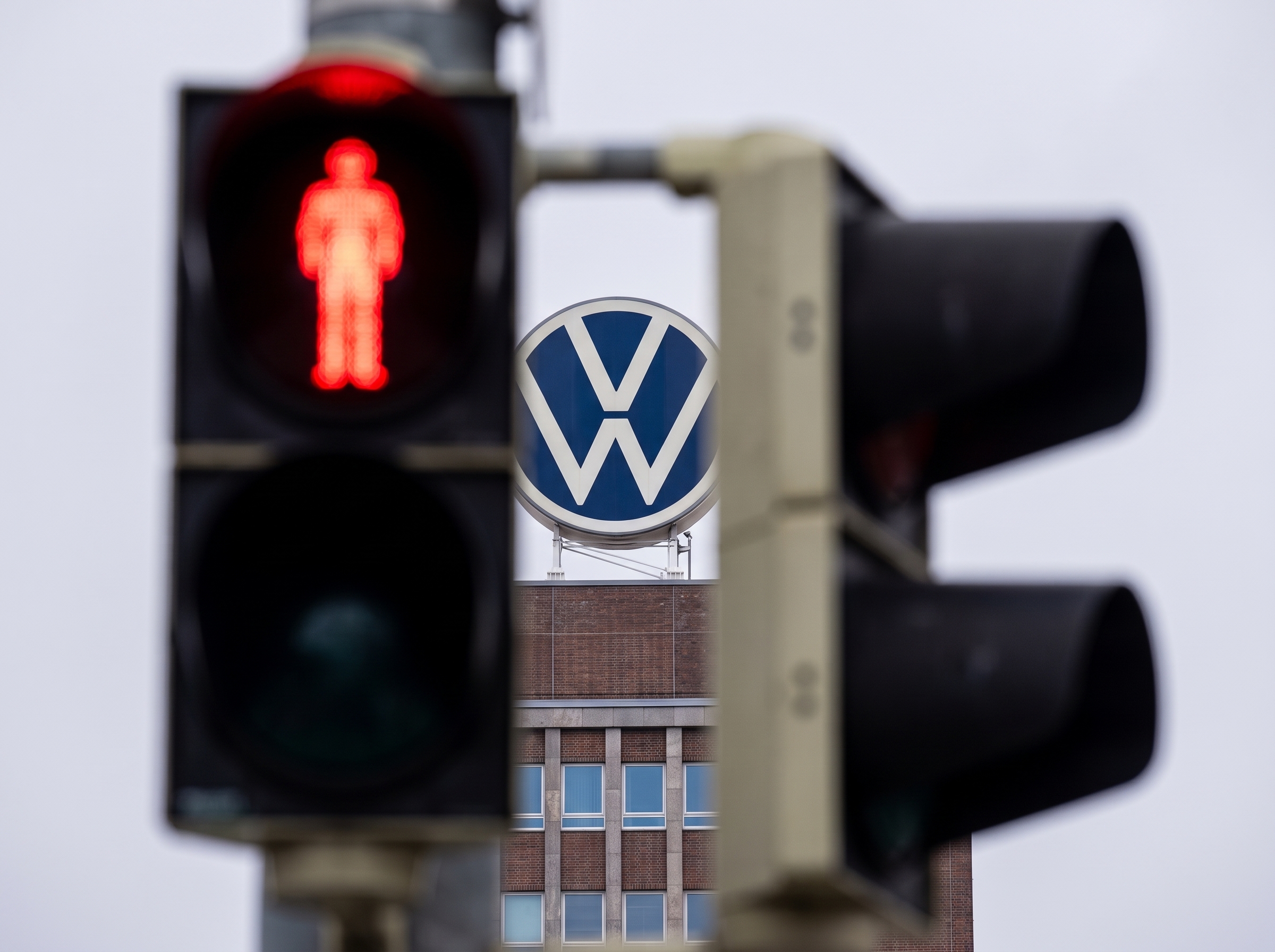
Multinational companies, especially in the automotive sector like Volkswagen and BMW, find themselves in a challenging position as they strive to balance their operations between maintaining significant market share in China and adhering to rising pressures to reduce dependency on Chinese components. Jens Eskelund, president of the EU Chamber of Commerce in China, highlighted that the new powers granted to Beijing create an 'extraterritorial toolbox,' complicating compliance with varying regulatory regimes in different global markets.
Conclusion
As China continues to assert its regulatory power, the West faces an uphill battle in managing its trade relationships. With calls from analysts to adopt a firmer stance against Chinese coercion, global trade dynamics are shifting towards a more fragmented structure, compelling critical evaluations of reliance on Chinese production. Further pressure from Beijing on European regulations only heightens this complex interplay, signaling the need for careful navigation as tensions escalate on the global trade front.
Popular news
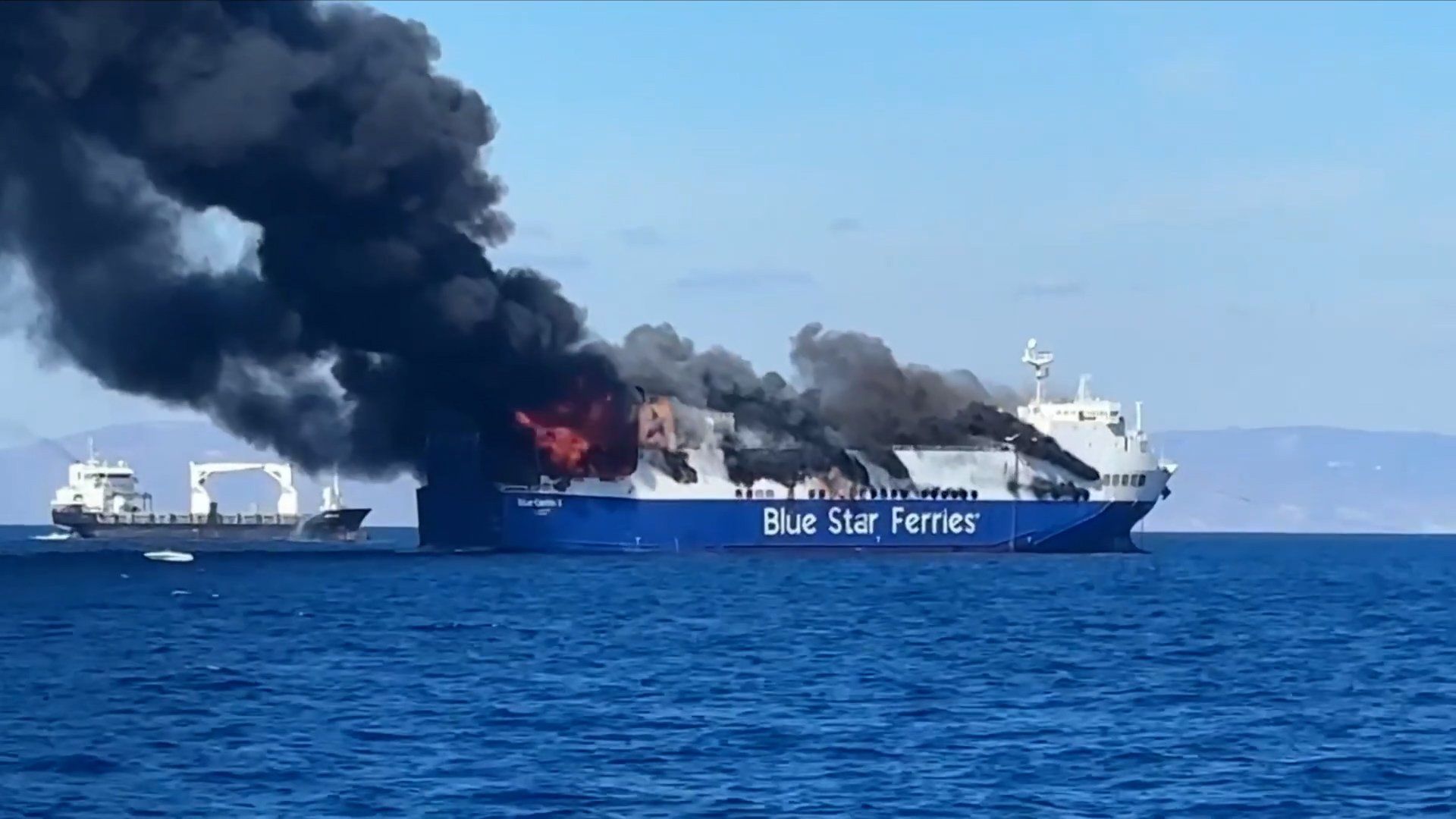
A major fire on the Blue Carrier 2 ferry off Mykonos led to a rapid evacuation of all 29 individuals on board with no reported injuries.

Subscribe to
our news
Get the most important updates and top stories in your inbox.