





 Technology24 Sept 2026
Common Radiator Mistakes That Could Be Making Your Home Colder
Is your radiator cold? Experts highlight common mistakes that could be worsening your heating issues this winter.
Understanding Radiator Issues
As autumn weather sets in, many homeowners are turning on their heating systems for the first time in months, only to discover that one or more radiators are failing to heat up properly. However, rushing to bleed a cold radiator might not be the right solution. According to heating expert Rob Nezard from U.K. Radiators, a cold radiator does not necessarily indicate trapped air, and incorrect troubleshooting can exacerbate the issue instead.
"Testing your heating system early in the season is wise. Don't wait until winter's chill. Turn on your heat and give it time to warm up. Then, assess each radiator for temperature inconsistencies and noises, like gurgling or clunking," Nezard advises.
Conducting a Touch Test
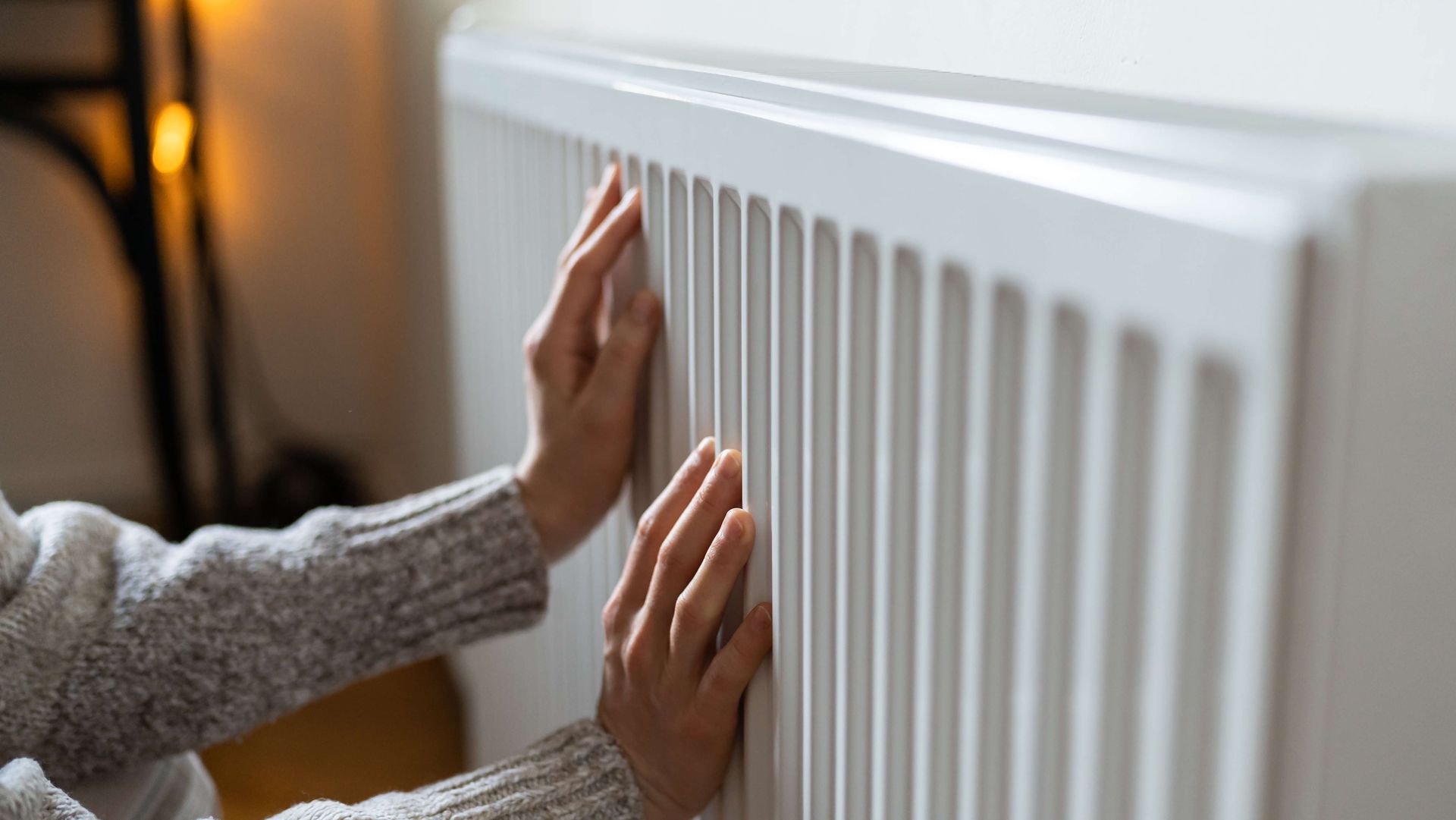
Identifying the specific problem with a cold radiator can be done with a simple touch test. Gently feel the surface of the radiator to pinpoint where the cold air is trapped.
Cold at the Top? Bleeding May Help
If the top of the radiator is cool while the bottom heats up, this indicates trapped air, a situation where bleeding the radiator can be effective. Nezard explains, "A cold top suggests that air is trapped inside, preventing hot water from circulating efficiently. Bleeding can release that air and allow for better heat distribution."
Cold at the Bottom? Avoid Bleeding
Conversely, if the radiator is warm on top but cold at the bottom, then bleeding it is not the solution. Nezard warns that this is a sign of sludge or debris buildup inside the radiator, requiring more thorough professional service instead of a simple bleed.
Common Mistakes to Avoid When Bleeding Radiators
If your analysis shows that air is indeed trapped at the top of your radiator, proceed carefully. Here are six common mistakes to avoid when attempting to bleed your radiators:
1. Bleeding While Hot
Never attempt to bleed a radiator that has just been heated. Always wait for the unit to cool fully to prevent hot water from escaping when you open the valve.
2. Assuming Every Cold Radiator Needs Bleeding
Not every cold radiator has the same issue. A cold radiator may be due to trapped air, sludge, or even a stuck valve. Diagnose the problem first to avoid unnecessary bleeding.
3. Over-Opening the Bleed Valve
You don't need to fully unscrew the valve to let air escape. A quarter to half turn is sufficient; you should hear hissing as the air escapes, followed by water.
4. Forgetting Towels and Containers
Always have a towel and a small bucket ready to catch any water that may flow out when you bleed the radiator. Getting your home wet is not part of the plan.
5. Ignoring Boiler Pressure After Bleeding
After bleeding, check the pressure of your heating system. Bleeding can lower the pressure, and some systems require you to top off the pressure afterwards to ensure efficient operation.
6. Repeatedly Bleeding the Same Radiator
If you find you've had to bleed the same radiator regularly, this could indicate deeper issues with the heating system. If it continues to be a problem, further investigation may be necessary.
By understanding how to properly diagnose and address radiator issues, homeowners can ensure their heating systems work effectively, keeping their homes warm throughout the colder months.
Popular news
Harvey Weinstein receives 15-year prison sentence for sexual assault of Miriam Haley, concluding years of legal battles in the #MeToo movement.





Subscribe to
our news
Get the most important updates and top stories in your inbox.
