





 World17 Jun 2026
Concerns Over Israel's Influence on Iran-US Nuclear Deal Progress
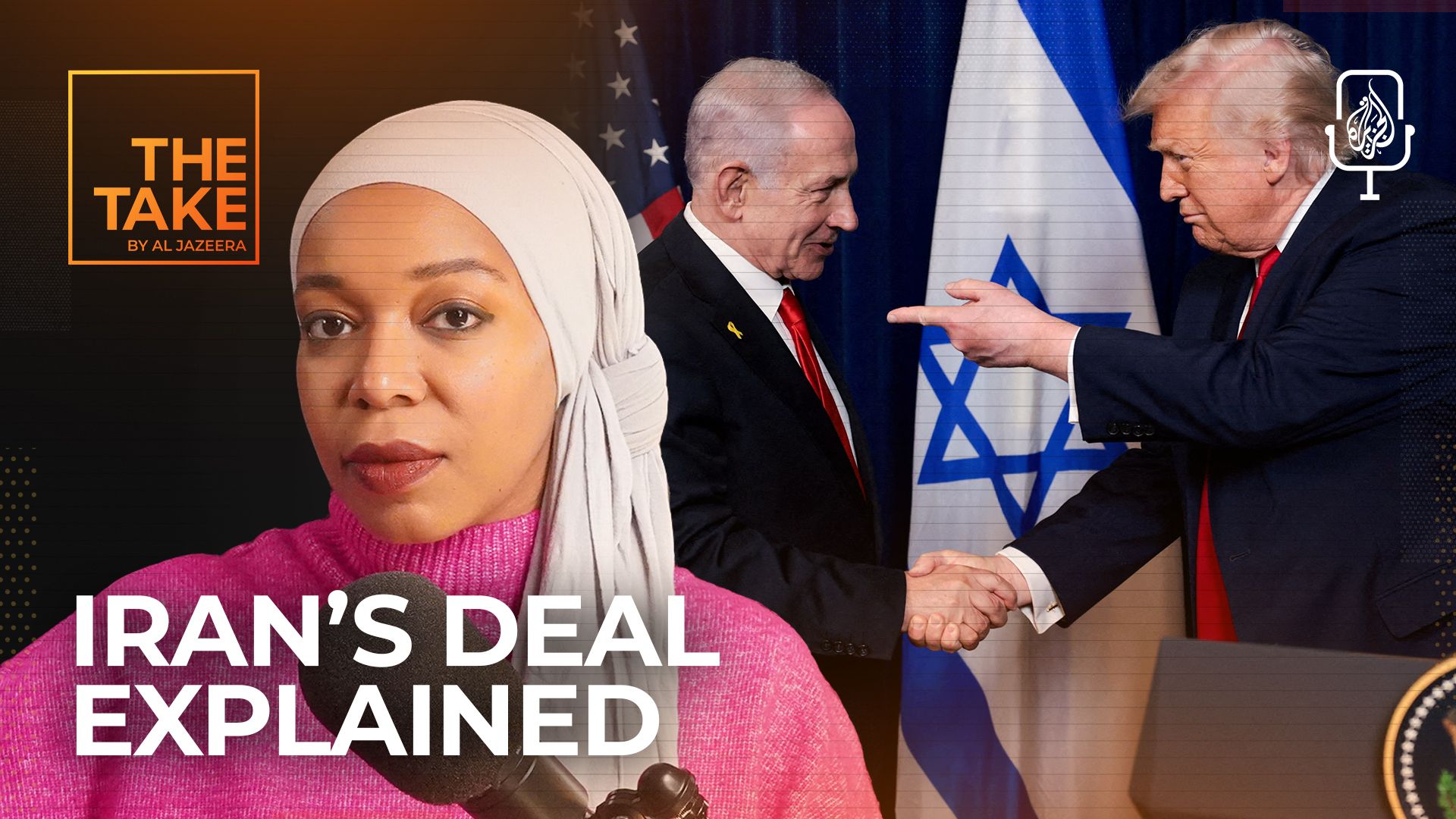
Israel's opposition to the Iran-US nuclear deal complicates the fragile situation, raising doubts about the actual benefits of negotiations.
Recent Developments in the Iran-US Negotiations
The delicate situation surrounding the Iran-US nuclear deal has experienced a series of developments, including a recent ceasefire and the reopening of the Strait of Hormuz. However, despite these positive signs, tensions remain high, particularly due to Israel's staunch opposition to the deal.
Israel's Continued Resistance
As reported by Al Jazeera correspondent Maziar Motamedi, Israel has made it clear that it will not fully endorse any agreements that it perceives to be detrimental to its national security. The Israeli government views Iran's nuclear program as a direct threat, prompting ongoing fears that any concessions made by the United States may embolden Tehran.
The ongoing resistance from Israel complicates the diplomatic landscape, as it raises questions about the benefits gained from the negotiations. Diplomatic analysts suggest that despite the ceasefire and reopening of critical maritime pathways, the unfinished business surrounding Iran's nuclear ambitions remains a critical stumbling block in achieving lasting peace.
Evaluating the Deal's Impact
The core debate lies in the actual victories claimed by the involved parties. While former President Trump hailed the initial deal as historic, the lack of resolution on significant issues makes its effectiveness questionable. The negotiation framework has seemingly stalled, with the most challenging discussions still yet to commence, particularly involving the conditions under which Iran can advance its nuclear capabilities.
The Role of International Players
The involvement of international players and their perspectives also plays a pivotal role in navigating the complex dynamics. Countries aligned with the United States may support the nuclear deal but remain wary of Iran's potential regional ambitions. Conversely, Iran's partnerships, which have evolved in response to perceived aggressions, present additional layers of complexity.
Ultimately, the future of the Iran-US deal hinge not only on diplomatic negotiations but also on geopolitical strategies from nations like Israel, which remain vigilant against any perceived strengthening of Iran.
This complicated milieu leaves analysts wondering whether a peaceful resolution is truly achievable or if the region will continue to grapple with uncertainty and volatility due to divergent interests and historical animosities.
Popular news
A small plane crash while touring the Nazca Lines in Peru has resulted in 13 fatalities, including tourists and crew.




Subscribe to
our news
Get the most important updates and top stories in your inbox.
