




 Technology25 Jul 2026
Contagious Cancer Discovered in North American Catfish
A transmissible melanoma has been found in brown catfish, the first case in freshwater fish, revealing surprising cancer transmission methods.
A Groundbreaking Discovery of Contagious Cancer in Fish
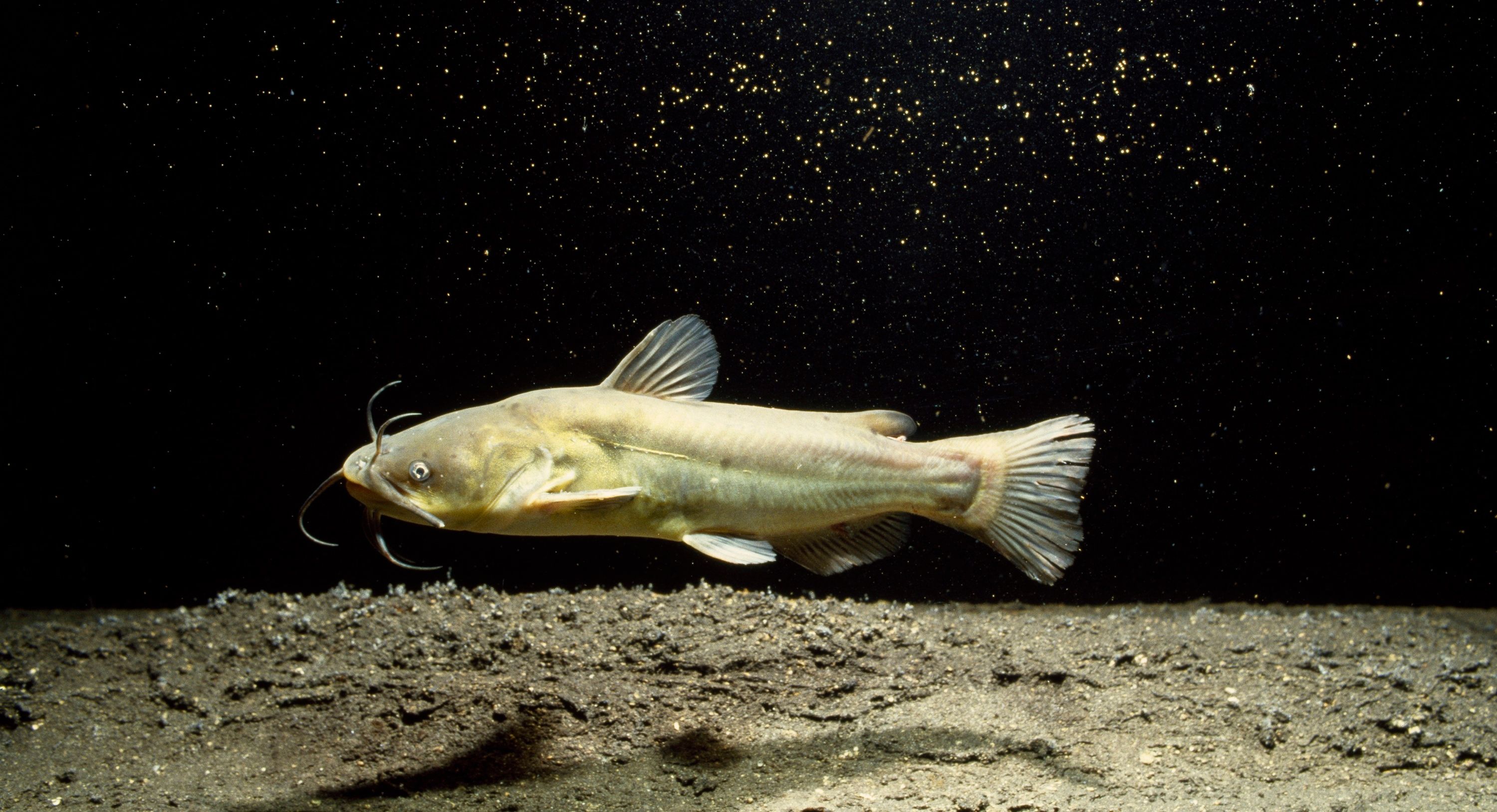
Researchers are unveiling a remarkable and concerning finding: the first documented case of a transmissible melanoma in brown catfish (Ameiurus nebulosus) in Lake Memphremagog, Vermont. With this discovery, the brown catfish adds to the rare instances of contagious cancer, previously identified in certain animals but never before in freshwater fish.
The results of this study, recently published in the journal Nature, show that high occurrences of tumors in these fish are attributed to a single cancer lineage that spreads among individuals, rather than appearing independently across the population. This fascinating revelation not only deepens our understanding of cancer but also presents potential implications for human cancer behavior.
Investigating an Unusual Cancer Pattern
In 2012, fishermen and biologists began noticing an alarming trend: a significant number of catfish exhibiting unusual black lesions in Lake Memphremagog. Initial examinations identified these lesions as malignant melanomas, and subsequent studies revealed that between 23% and 37% of the examined specimens bore these tumors, which is exceptionally high for this species.
Julie Dragon, a researcher at the University of Vermont and co-lead author of the study, expressed her surprise at the findings, stating, "We wanted to understand how a bottom-dwelling fish was getting a cancer we associate with exposure to too much sunlight."
The Culprits Behind the Tumors
Initially, researchers speculated that environmental factors, including potential pollution exacerbated by flooding from Tropical Storm Irene, could be the cause of these tumors. However, genetic analyses shifted their focus away from external toxicants toward the possibility of a shared cancer lineage among the afflicted fish.
By sequencing the complete genomes of the tumors alongside healthy tissues from infected fish and comparing these with healthy individuals from various populations, researchers uncovered a striking pattern. The tumor cells from different affected fish were found to be far more genetically similar to one another than to the host fish in which they developed. This genetic similarity suggests that the tumors originated from a common source rather than independently in each individual.
Unraveling Transmission Mechanisms
The researchers propose several methods of transmission for this cancer. During spawning, catfish tend to congregate in close quarters, which could facilitate the exchange of tumor cells between individuals. It is also possible that the cancer cells can survive in the environment temporarily, entering other fish through skin contact or ingestion.
Despite the researchers examining genetic material for specific viral or microbial causes, none were directly linked to the tumors. The emerging consensus points toward the cancer cells themselves being responsible for the transmission.
Implications and Future Research
This discovery raises important questions about cancer transmission across species, and the findings could inform the study of human cancers. As noted by Dragon, understanding the mechanisms that allow cancers to spread outside their original host may unveil insights into factors that keep cancers contained in humans and when those boundaries are breached.
Mark Henderson, another co-author from the study, added a note of caution for anglers, stating, "Personally, I wouldn’t eat the ones with tumors."
With the identification of this transmissible melanoma, Lake Memphremagog serves as a new nexus for future research into cancer behavior both in fish and potentially in humans, as scientists aim to understand how environmental factors influence the spread and development of malignancies.
Popular news
New York has declared a disaster emergency over rising measles cases, especially among under-immunized populations, with 108 confirmed cases.





Subscribe to
our news
Get the most important updates and top stories in your inbox.