 Sport04 Oct 2026
Controversy Strikes as Padres Lose Potential Homer to Brewers
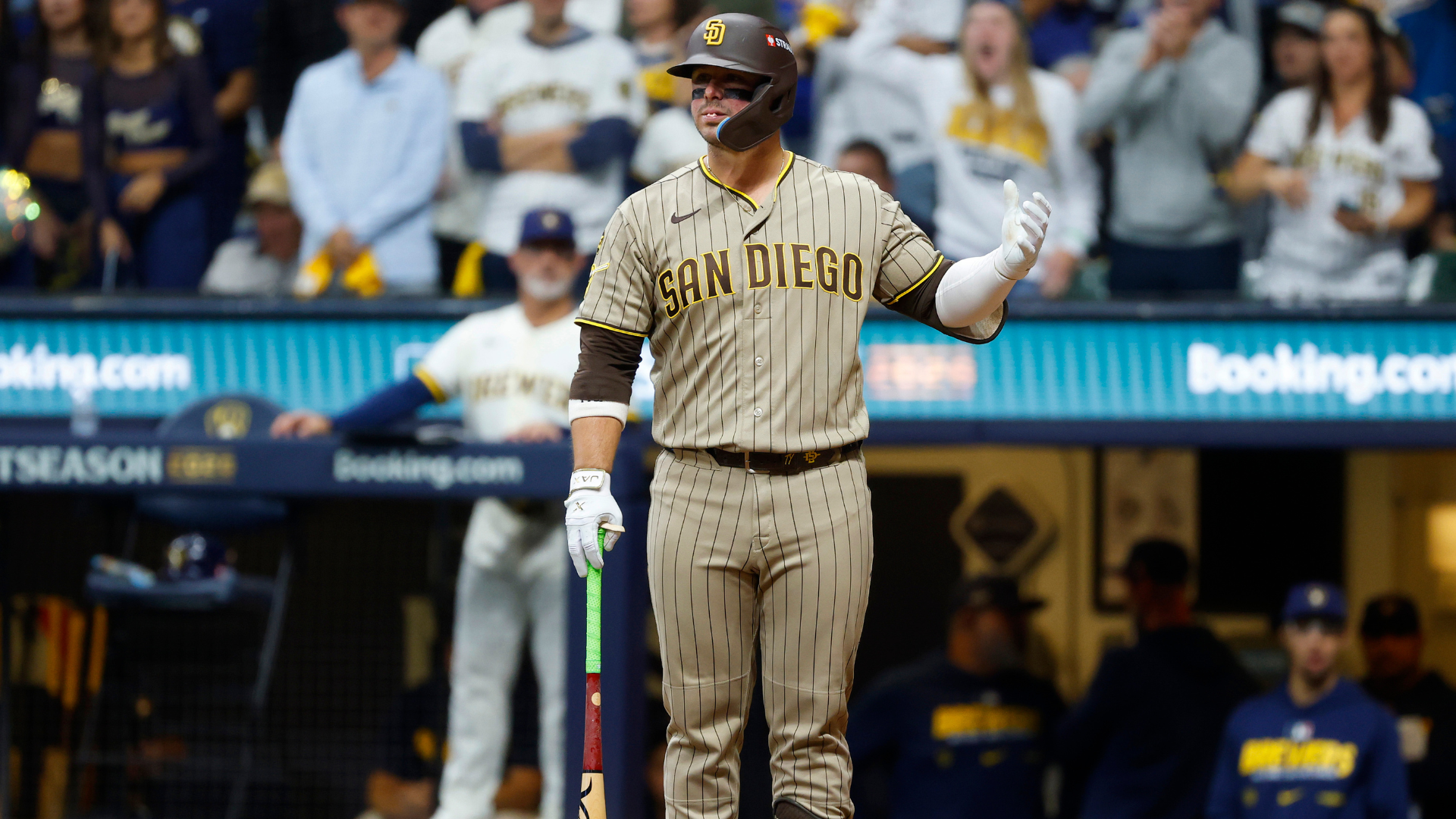
Ty France's ninth-inning fly ball hit a roof cable, resulting in a controversial out for the Padres that sparked debate about the game's rules.
Controversial Moment During Game 1 of NLDS
In a dramatic turn of events during Game 1 of the National League Division Series, the San Diego Padres experienced a controversial moment when a potential go-ahead homer by Ty France was ruled an out. The incident occurred in the ninth inning at American Family Field, leading to disputes over the interpretation of the park's ground rules.
What Happened?
As the Padres trailed the Milwaukee Brewers 3-2, the stakes were high when France stepped up to the plate. With one out and a runner on base, closer Trevor Megill delivered a fastball that France connected with significantly. However, the ball struck a cable supporting the roof, coming down into the glove of Brewers outfielder Jackson Chourio at the left field warning track.
According to the park's ground rules, batted balls striking the roof over fair territory are considered in play, and if caught by a fielder, the batter is called out. Consequently, after examining the play, the umpires agreed that the ball hit the roof over fair ground, confirming Chourio's catch. An unsuccessful challenge from Padres manager Craig Stammen ensured the call remained unchanged.
Understanding the Ground Rules
The ground rules at American Family Field are clear:
- A batted ball that hits the roof, truss, or cable over fair territory becomes live, and the batter can be out if it is caught.
- Conversely, if the ball strikes the roof over foul territory, it is ruled a dead ball.
In this case, the umpires determined that the cable hit was in fair territory, which aligned with the ground rules.
Would it Have Been a Home Run?
While the Padres had a legitimate reason to feel aggrieved, the question remains: would France's hit have cleared the fence if it had not struck the cable? France's exit velocity was noted at 105.3 mph with a launch angle of 49 degrees. Historical statistics reveal that no batted balls in the Statcast era have registered a home run at that exit velocity and launch angle.
With a batting average of just .037 for similar conditions, it seems unlikely that France's hit would have resulted in a home run, despite the enticing prospect it presented.
Reactions from Players and Managers
Postgame remarks from the players highlighted the varying perspectives on the call.
"We joked about it at the umpire meeting today about what would happen if the ball hit the roof," Stammen said after the game, acknowledging the unexpected nature of the call. "It looked like it was a possible home run. Just didn't go our way."
On the Brewers’ side, catcher William Contreras expressed his belief that it could have been a home run, while Milwaukee manager Pat Murphy countered with his firm belief that it was destined for foul territory.
France summarized the fallout succinctly, stating, "I haven't been able to fully process that. But that was a game-changing swing."
The Padres will now need to regroup as they prepare for the subsequent games in the series, hoping to overcome the disappointment from this controversial incident.
Popular news
The US military's deployment in the Middle East intensifies risks of conflict with Iran amid stalled diplomatic efforts and significant sanctions.





Subscribe to
our news
Get the most important updates and top stories in your inbox.