




 World15 Apr 2026
Could the EU's Alliance with Israel Soon Change?
The EU-Israel alliance faces mounting pressure as leaders condemn Israeli actions. Could this signal a significant policy shift ahead?
Growing Tensions in EU-Israel Relations
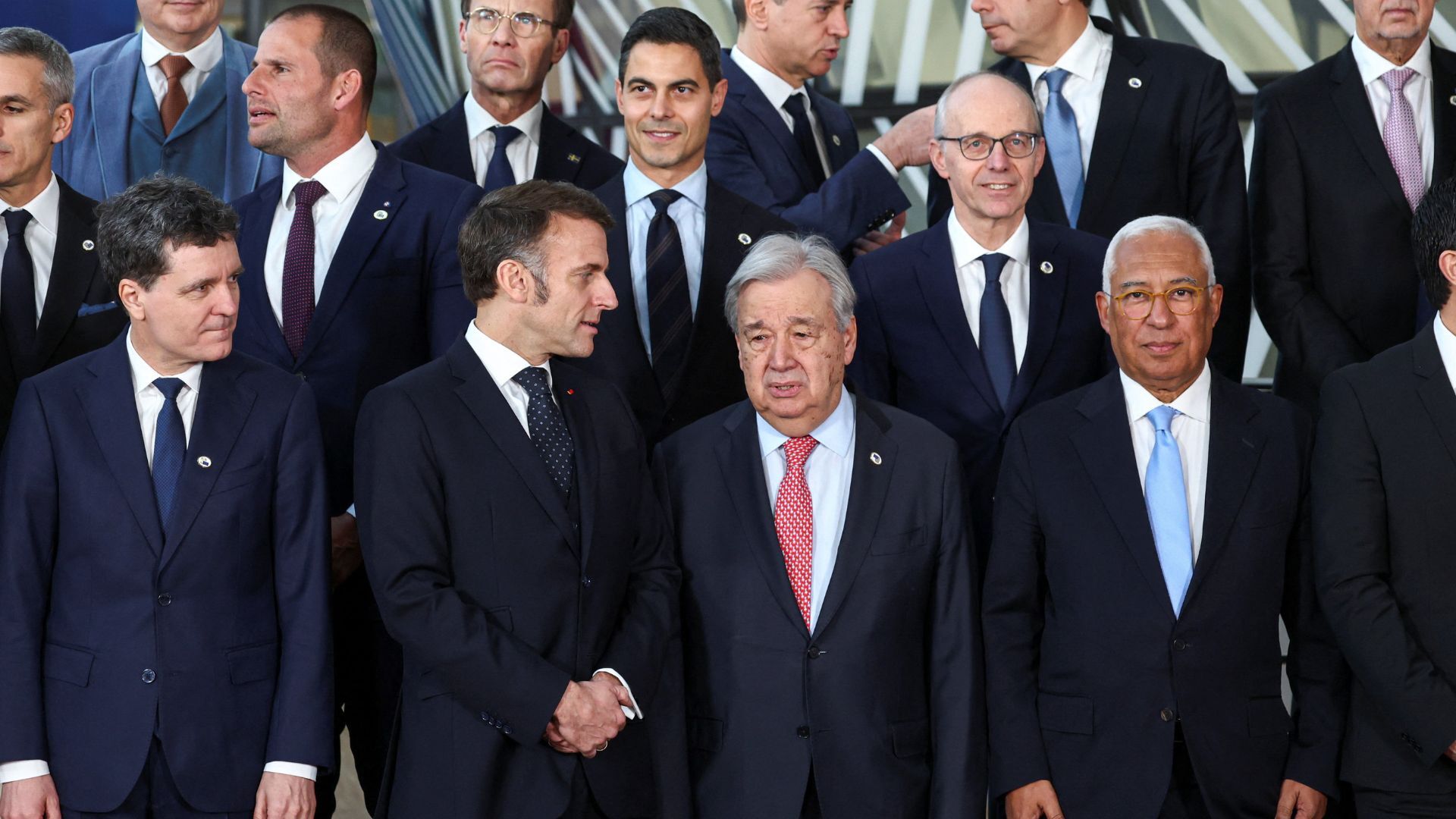
The relationship between the European Union (EU) and Israel, long regarded as a cornerstone of diplomatic and trade relations, is currently under significant strain. This shift comes amid ongoing tensions related to the conflict in Iran, which is impacting the political landscape across Europe and beyond.
A pivotal development is a petition that has garnered over a million signatures from EU citizens, calling for a formal review of the EU-Israel Association Agreement. This agreement plays a crucial role in facilitating trade and cooperation between the two entities, making the potential review a matter of serious concern.
Political Leaders Speak Out
Brussels' Stance
In a striking move, Brussels has condemned Israel's recent military actions in Lebanon, a decision that reflects growing unease among EU officials regarding Israel's policies in the region. This condemnation marks a notable pivot, suggesting that longstanding support might be wavering as political dynamics evolve.
Criticism from German Chancellor Merz
German Chancellor Friedrich Merz has also added his voice to the chorus of disapproval, characterizing Israel’s illegal settlements in the occupied West Bank as tantamount to de facto annexation. His remarks resonate with criticism from various sectors within Germany, a nation that has historically been one of Israel's staunchest allies.
Changes in Italian Policy
Adding to the shift, Italian Prime Minister Giorgia Meloni has formally ended a defense cooperation pact with Israel. This decision is indicative of a broader reevaluation of national policies concerning Israel, reflecting a more critical stance that aligns with sentiments echoed by other EU leaders.
Implications of a Shift
These developments raise critical questions about the future of EU-Israel relations. If the EU moves forward with a review of the Association Agreement, it could lead to significant changes in trade dynamics and diplomatic engagement. The implications for Israel could be profound, impacting its economic ties and political support within Europe.
Expert Perspectives
In light of these events, key stakeholders have weighed in on the changing landscape. Barry Andrews, a member of the European Parliament, has emphasized the need for a time-out to reassess the values underpinning the EU-Israel relationship.
Sven Kuhn von Burgsdorff, a former EU ambassador to the occupied Palestinian territories, notes the urgent need for a reconsideration of how the EU engages with Israel amid growing international condemnation.
Eve Geddie, Director of the European Institutions Office at Amnesty International, reinforces the call for accountability, asserting that the EU must align its policies with its declared human rights commitments.
Conclusion
As the EU grapples with external pressures and internal dissent regarding its policies towards Israel, the future of this vital alliance remains uncertain. The combination of grassroots activism, political critique, and shifting alliances within key EU states suggests that a significant policy rethink may be on the horizon, heralding a new chapter in EU-Israel relations.
Popular news
A small plane crash while touring the Nazca Lines in Peru has resulted in 13 fatalities, including tourists and crew.


Subscribe to
our news
Get the most important updates and top stories in your inbox.