





 Technology01 May 2026
Dark Money Campaign Mobilizes Influencers to Frame Chinese AI as a Threat
Influencers are being paid to frame China's AI advancements as a threat, funded by Build American AI, a dark-money group.
Dark Money Influencers Mobilized Against China
A controversial campaign funded by the dark-money group Build American AI is deploying social media influencers to amplify narratives that frame China’s advancements in artificial intelligence (AI) as a significant threat to the United States. These influencers, many of whom target young audiences on platforms like TikTok, are reportedly being compensated up to $5,000 per video to sow fear about China’s technological ambitions, particularly as the 2026 midterm elections draw closer.
Campaign Origins and Objectives
The campaign made headlines recently when lifestyle influencer Melissa Strahle shared a video praising American-made AI while standing in front of an American flag. Although labeled as an advertisement, Strahle did not disclose that her funding originated from Build American AI, which has strong ties to major technology firms such as OpenAI and Palantir. The campaign is strategically divided into two phases: the initial phase promotes American AI, while the ongoing phase focuses on painting China’s AI advancements in a negative light.
The initiative exemplifies how dark-money organizations operate, manipulating public perception through undisclosed funding. This strategy aims to influence AI policy ahead of the upcoming elections amid a climate of increasing scrutiny and concern regarding the implications of AI technology.
The Role of Influencers
Influencers involved in this campaign are being encouraged to deliver scripted content that highlights the supposed threats posed by China’s technological growth. According to an insider from the marketing agency SM4, the messaging seeks to instill a sense of urgency about America needing to prevail over China in the AI sector. Content creators are being provided examples of lines to incorporate, effectively crafting fear-based narratives around data security and job displacement.
For instance, one suggested commentary is, "If they [China] do, it could mean that China gets personal data from me and my kids." This type of messaging merges genuine concerns about privacy with exaggerated dangers, reinforcing a sense of American nationalism and urgency in technological advancement.
Implications for Public Discourse
The campaign is not without its critics. Several content creators have expressed unease over intertwined narratives of innovation and anti-China rhetoric. Ecologist Josh Murphy remarked that conflating positive technology discourse with nationalistic fears of other countries does more harm than good.
This rising trend of using influencers to disseminate politically charged messages has raised alarms about transparency in information dissemination. According to media experts, the lack of disclosure about sponsorship undermines informed public discourse, covertly promoting corporate interests under the guise of social media influence.
Responses and Future Directions
Leading the Future, which backs Build American AI, asserts that they are combating misinformation while promoting the economic benefits of AI technology. The organization reports significant financial backing and aims to use it to create a broad narrative in favor of U.S. innovation in AI.
The campaign coincides with a broader landscape of rising concerns about AI, highlighted by influential figures like Senator Bernie Sanders, who has warned that AI could pose an existential threat to humanity. As midterms approach, the emphasis placed on AI within political discourse signifies a complex intersection of technology, media influence, and national security.
As Build American AI continues its efforts to shape public perceptions, the spread of undisclosed political messages through influencers raises critical questions about the impact on democracy and consumer awareness in a digital age defined by social media consumption.
Popular news
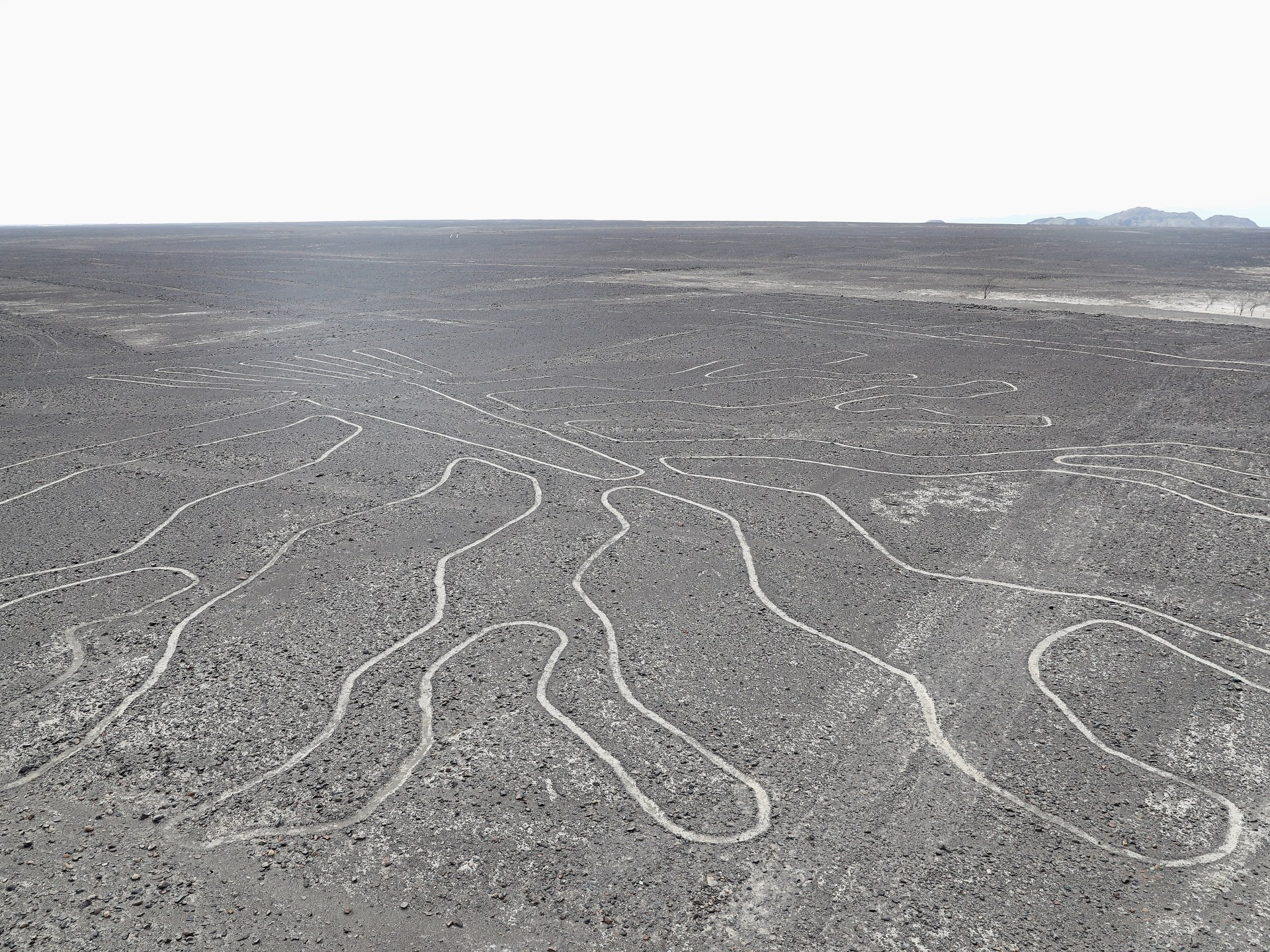
A small plane crash while touring the Nazca Lines in Peru has resulted in 13 fatalities, including tourists and crew.



Subscribe to
our news
Get the most important updates and top stories in your inbox.