




 World19 Jun 2026
DR Congo's Ebola Outbreak Rapidly Expands, WHO Reports Concern
The WHO warns that the Ebola outbreak in DR Congo is expanding quickly, linked to the Bundibugyo strain, and no vaccines are available.
Rapid Evolution of Ebola in DR Congo
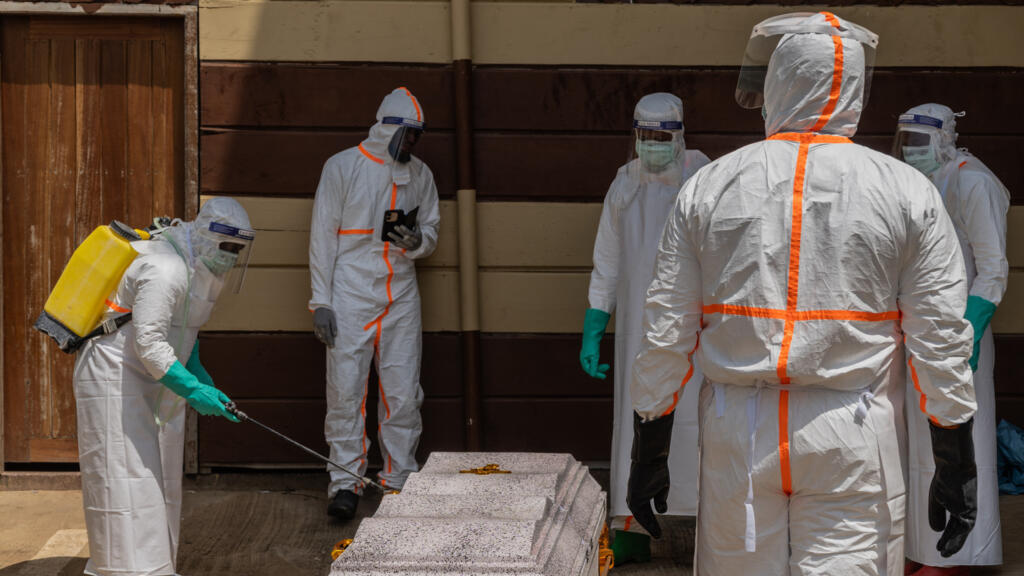
The World Health Organization (WHO) has raised alarms over the swift evolution of the ongoing Ebola outbreak in the Democratic Republic of Congo. Despite intensified public health interventions, the virus, identified as the Bundibugyo strain, continues to spread since its emergence in mid-May.
Current Situation
Over recent weeks, health authorities have reported an increase in cases, raising concerns among public health experts and organizations. The Bundibugyo strain of Ebola is particularly concerning as it currently lacks both a vaccine and specific treatment options, making the situation more precarious for affected communities.
Health officials are working diligently to implement control measures, including contact tracing and public awareness campaigns, to mitigate further spread. However, the WHO’s recent statements underscore the urgent need for effective strategies to combat the outbreak.
Challenges in Combatting Ebola
One of the major challenges in controlling this outbreak is the nature of the Bundibugyo strain itself. Unlike other strains of Ebola for which there are available vaccines, this variant poses a formidable threat, complicating efforts to protect the population and contain infections. The local health systems are stretching their resources to cope with the rising number of cases, and many healthcare workers are on high alert.
Moreover, the cultural practices and mobility of communities in the affected regions may further exacerbate the outbreak as they interact with each other or travel between areas.
Global Response and Preparedness
The WHO, alongside international partners, is mobilizing resources and expertise to assist the Congolese government in its fight against Ebola. This includes support for outbreak response efforts and community outreach initiatives aimed at educating locals about the virus and precautionary measures.
Despite these measures, the situation remains fluid. Health officials continue to monitor the outbreak closely, hoping for a decline in cases soon. However, the rapid evolution of the outbreak has prompted calls for enhanced surveillance and broader preparatory actions to safeguard public health in the region.
In conclusion, the Ebola outbreak in the Democratic Republic of Congo represents a significant public health threat that requires immediate and sustained attention from both local health authorities and the international community. In the absence of effective vaccines or treatments, vigilance and swift action remain the key to controlling this deadly virus.
Popular news
A small plane crash while touring the Nazca Lines in Peru has resulted in 13 fatalities, including tourists and crew.


Subscribe to
our news
Get the most important updates and top stories in your inbox.