 Business28 Jul 2026
Drone Boats Transform Naval Warfare: A New Era at Sea
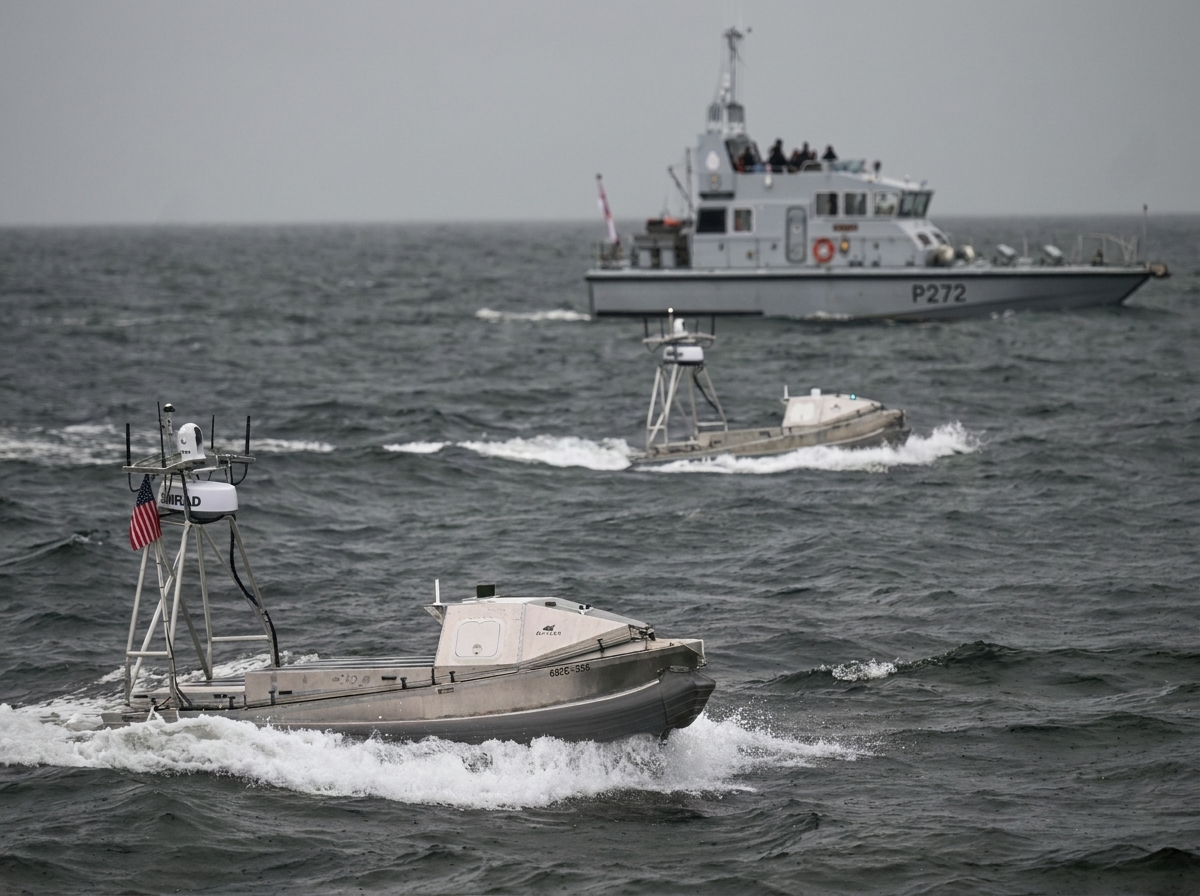
Unmanned surface vessels are reshaping naval tactics, signaling a potential shift from larger ships to drone boats. What does this mean for naval warfare?
The Rise of Unmanned Surface Vessels
In recent years, unmanned surface vessels (USVs), commonly referred to as drone boats, have begun to transform the landscape of naval warfare. From surveillance missions to combat operations, these versatile vessels are proving effective and cost-efficient alternatives to traditional military ships.
A Pioneering Rescue Mission
A notable instance highlighting the capabilities of USVs occurred last month off the coast of Oman. A Saronic Corsair unmanned surface vessel successfully facilitated the rescue of downed American crew members from an Apache AH-64 attack helicopter. This event marked a significant moment in demonstrating human-machine collaboration in combat settings, showcasing the potential for USVs to undertake complex operations while keeping service members out of harm’s way.
Versatility Beyond Conventional Roles
Historically, drone boats have been essential in various military tactics, notably in the conflict between Ukraine and Russia, where such vessels have been employed innovatively for attack missions. However, the recent rescue operation highlights a shift in their application: no longer just tools of warfare, USVs are becoming multipurpose assets capable of a wide array of tasks, including surveillance and support during military engagements.
Jim Harvey, the chief technology officer at MARTAC, underscored the advantages of USVs, asserting, "The value of a USV is that you can constantly be iterating and innovating as quickly as technology is coming out, and then placing them and scaling them in a way that you couldn’t with larger fleets."
The Modular Approach to Military Technology
One crucial feature driving the evolution of USVs is their modular design. For instance, the MANTAS T-12 — which the Pentagon delivered to the Philippine Navy — offers the ability to integrate various technologies, such as torpedoes and underwater vehicles. This flexibility is being mirrored in the UK’s Ministry of Defence, which recently ran exercises deploying a tethered unmanned aircraft system from a drone boat designed for hybrid operations.
Changing the Dynamics of Warfare
The Ukrainian Sea Baby USV illustrates an adaptive approach, incorporating new technologies like FPV drones and thermobaric rockets, thus broadening the tactical capabilities of drone boats. Furthermore, this month, the U.S. Navy employed USVs in a live-fire exercise, marking the first use of its Global Autonomous Reconnaissance Craft (GARC) in such a setting, indicating a new chapter in naval combat integration.
Beyond Traditional ships
With ongoing advancements in drone technology, smaller autonomous vessels are emerging as effective alternatives to larger naval ships, operating as mobile platforms for launching unmanned aerial vehicles and conducting electronic warfare operations.
While it remains unlikely that manned vessels will be entirely phased out, the increasing efficacy and tactical diversity of drone boats signal a potential reevaluation of naval strategies. The rapid evolution of USVs offers a compelling argument that traditional fleets may soon be overshadowed by these nimble and adaptable vessels.
Future Implications for Naval Strategy
As military forces embrace these advancements, the implications for naval warfare are far-reaching. Drone boats, with their multifaceted capabilities, push militaries to rethink traditional combat protocols and adopt innovative tactics that can leverage the latest technological leaps. The opportunities presented by USVs suggest a future where traditional naval power dynamics could be dramatically altered, as the need for massive fleets diminishes in favor of agile and strategic unmanned craft.
Popular news
New York has declared a disaster emergency over rising measles cases, especially among under-immunized populations, with 108 confirmed cases.





Subscribe to
our news
Get the most important updates and top stories in your inbox.