




 Health28 Jul 2026
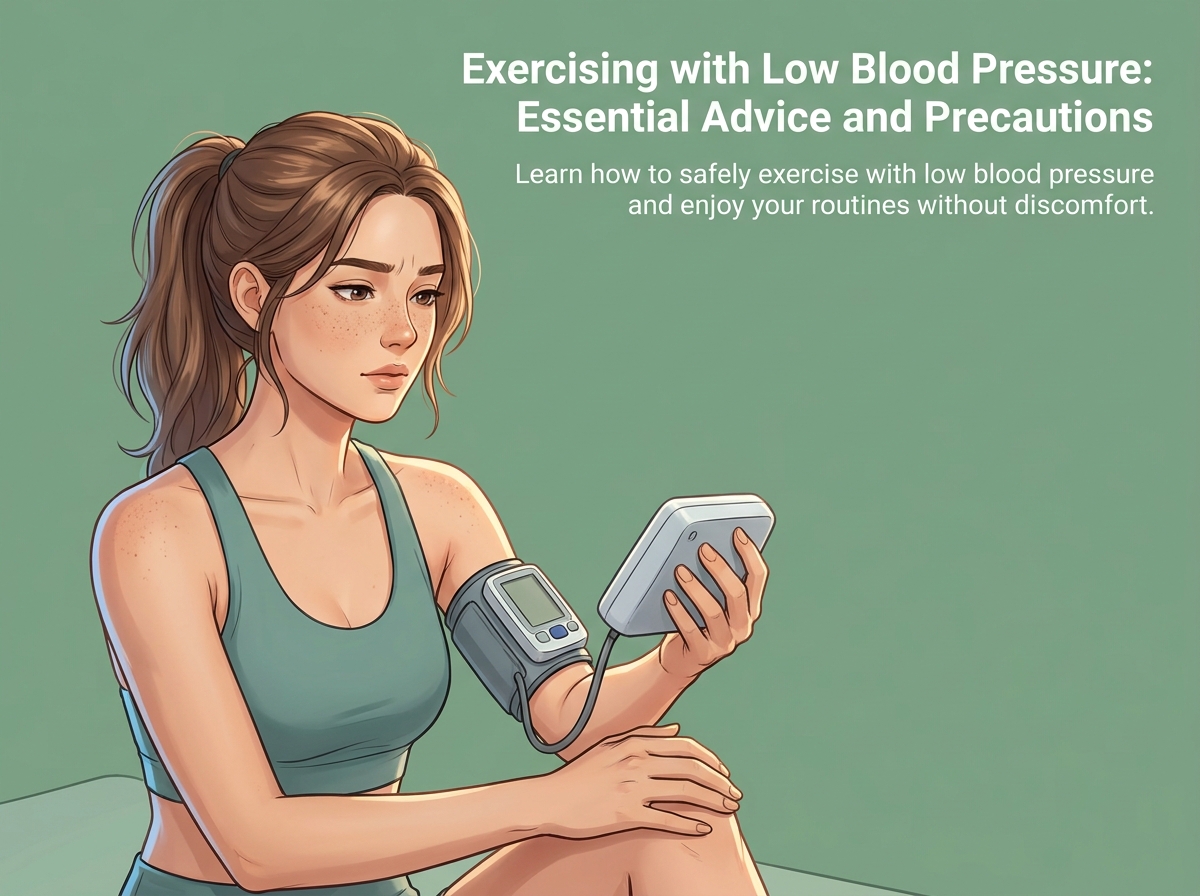
Exercising with Low Blood Pressure: Essential Advice and Precautions
Learn how to safely exercise with low blood pressure and enjoy your routines without discomfort.
Understanding Low Blood Pressure and Exercise
Exercising with low blood pressure, defined as having readings below 90/60 mm Hg, presents unique challenges for many individuals. Symptoms such as dizziness and lightheadedness can occur during or after physical activity, which can deter individuals from maintaining an active lifestyle. However, adapting exercise routines and incorporating safety measures can significantly improve comfort and enjoyment.
Recognizing Symptoms
Individuals with low blood pressure may experience a range of symptoms including:
- Dizziness
- Lightheadedness
- Fatigue
- Nausea
These symptoms can be exacerbated during exercise, particularly with sudden movements or when transitioning from sitting to standing positions. Understanding these symptoms is the first step in managing them effectively.
Modifying Your Exercise Routine
Adjusting your exercise routine is crucial for those with low blood pressure. Consider the following recommendations:
Start Slow
Begin with low-intensity activities such as walking, swimming, or cycling. Gradually increase intensity while monitoring how your body reacts to the exercise.
Stay Hydrated
Dehydration can worsen symptoms of low blood pressure. Drink plenty of fluids before, during, and after exercising, and consider including electrolyte-rich drinks to maintain hydration levels.
Incorporate Resistance Training
Strength training can help improve blood flow and circulation. Incorporate exercises that strengthen core and leg muscles, which can assist in stabilizing blood pressure during physical activity.
Safety Precautions
Taking safety precautions is crucial:
Warm-Up and Cool Down
Engaging in a proper warm-up can help prepare your body for exercise, while a cool-down phase can prevent sudden drops in blood pressure after workouts.
Avoid Sudden Movements
To minimize dizziness, avoid quick changes in position. For instance, rise slowly from a sitting or lying position to allow your body to adjust.
Monitor Activity Levels
Keep track of how you feel during workouts. If you begin to experience symptoms, stop exercising and rest until they subside. Additionally, consulting a healthcare provider prior to starting any exercise program is advisable for tailored advice based on personal health conditions.
Conclusion
Exercising with low blood pressure requires careful consideration and adjustments, but with the right strategies in place, individuals can enjoy their workouts safely. Listening to your body and making the necessary modifications can transform exercise into an enjoyable part of your daily routine without the distressing symptoms of low blood pressure.
Popular news
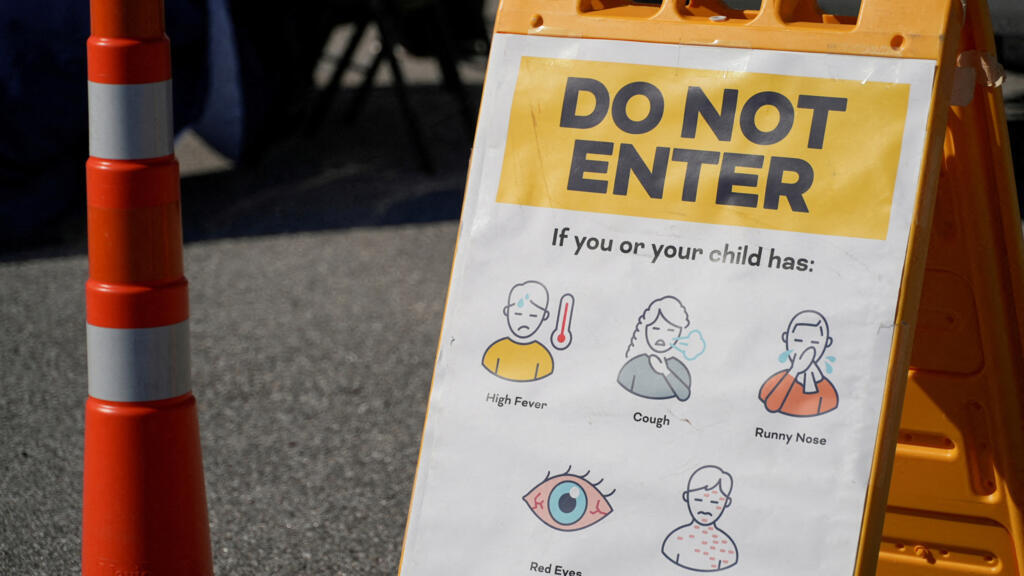
New York has declared a disaster emergency over rising measles cases, especially among under-immunized populations, with 108 confirmed cases.


Subscribe to
our news
Get the most important updates and top stories in your inbox.