
 Health17 May 2026
Exploring the Rise of Psychedelic-Assisted Therapy: A New Wave in Mental Health Treatment
Psychedelic-assisted therapy is gaining popularity, driven by trained counselors helping clients navigate their journeys to heal from trauma and depression
A New Breed of Mental Health Professionals
The growing interest in psychedelics for therapeutic purposes is giving rise to a new category of mental health professionals known as psychedelic-assisted therapy (PAT) counselors. Unlike untrained trip sitters, PAT counselors are formally educated and trained to guide individuals through psychedelic journeys, focusing on mental health issues such as PTSD, depression, and addiction.
Understanding Psychedelic-Assisted Therapy Counselors
Qualifications and Training
PAT counselors typically hold advanced degrees in counseling, psychology, or social work. They have completed specialized training at institutions focused on psychedelic therapy, such as PRATI or the California Institute of Integral Studies. This rigorous preparation equips them to assist clients not only during the psychedelic experience but also in integrating the insights gained afterward.
"Psychedelics can serve as revealers rather than the ultimate healers," says Gina Gratza, a licensed marriage and family therapist who guides clients through their journeys using substances such as ketamine, MDMA, and psilocybin.
Role of PAT Counselors
These counselors play a critical role in both the preparation for and the follow-up of a psychedelic journey. They ensure a safe and comfortable environment, addressing any potential distractions or discomfort that could hinder the therapeutic process. Techniques utilized by PAT counselors can range from ensuring a client’s physical comfort to using grounding techniques, like pushing on a client’s feet or holding their hand during intense moments of trauma re-experiencing.
The Therapeutic Potential of Psychedelics
Benefits and Research
Research has indicated that psychedelics can significantly alleviate symptoms in patients with treatment-resistant depression, PTSD, and various addiction issues. Ketamine, in particular, has gained recognition as a safe therapeutic option, while many states are beginning to legalize psilocybin, the active component in magic mushrooms.
"It’s about helping someone move something that has felt immovable," says Betty Warden, a licensed clinical social worker specializing in psychedelic facilitation.
Overcoming Stigma
Despite the promising research and increasing acceptance, cultural stigma surrounding psychedelics remains prevalent. Many associate these substances with recreational use rather than their healing potential. Advocates like Warden are dedicated to reshaping this narrative and educating the public about the therapeutic benefits of psychedelics.
Searching for a PAT Counselor
If you're considering psychedelic therapy, it's crucial to seek out a qualified PAT counselor. Resources such as Psychology Today and Psychable provide directories to help individuals find certified professionals in their area, ensuring that they receive the most effective guidance.
A Personal Journey
Andrew “Bernie” Bernstein, a former bicycle magazine editor who experienced life-altering trauma, emphasizes the importance of working with trained counselors in these therapeutic settings. His story highlights the profound impact that guided psychedelic experiences can have in addressing deep-seated emotional pain.
Conclusion
As interest in psychedelic-assisted therapy continues to rise, the role of trained counselors will be pivotal in navigating this evolving landscape. With proper guidance, individuals seeking treatment can explore these unique therapeutic avenues safely and effectively.
Popular news
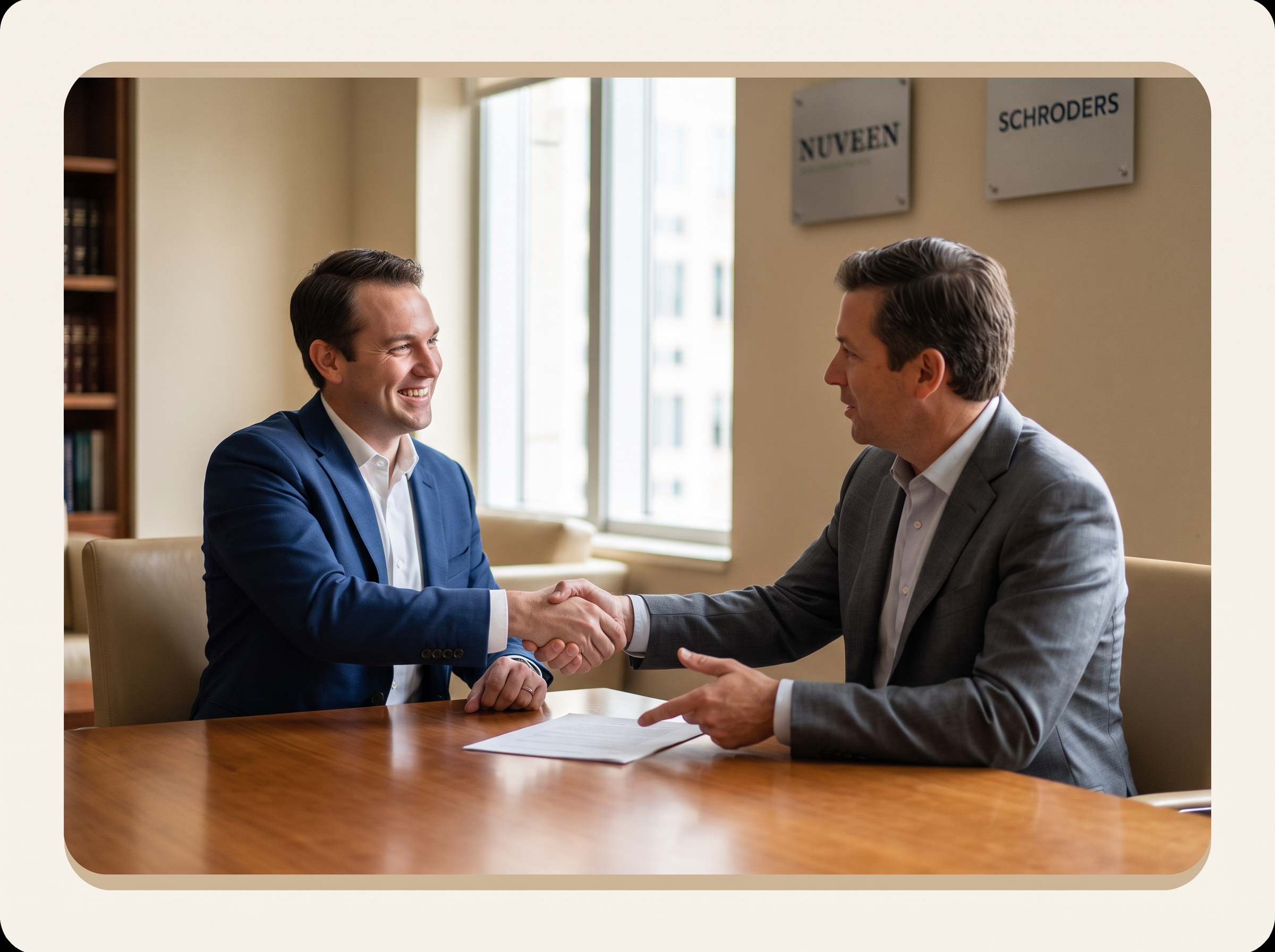
Nuveen acquires Schroders, creating a $2.6 trillion asset management powerhouse.




Subscribe to
our news
Get the most important updates and top stories in your inbox.