





 Business06 Jun 2026
Federal Reserve Governor Michael S. Barr Warns Against Deregulation Amid Financial Boom
Governor Barr warns deregulating banks during financial stability heightens risks of future crises, citing troubling historical precedents.
Barr's Warning on Deregulation
In a critical address delivered on June 6, 2026, at American University, Federal Reserve Governor Michael S. Barr expressed significant concerns regarding the continuing trend of bank deregulation amid the current financial boom. Barr's speech, titled "Deregulating in a Financial Boom: What Could Go Wrong?", serves as a stark reminder of the potential risks associated with undermining regulatory safeguards designed to protect the economy.
Historical Lessons on Financial Crises
Barr emphasized that relaxing financial regulations during seemingly stable times has historically led to severe economic downturns. Referencing major financial upheavals, including the Great Depression and the Global Financial Crisis of 2007-2009, he warned that the temptation to deregulate might result in catastrophic consequences for ordinary Americans in the next economic downturn.
The cumulative reduction of capital requirements for large banks—by approximately $60 billion since 2025—raises alarms about the financial system's resilience. These rollbacks have diminished banks' ability to absorb losses and safeguard against failures that could resonate throughout the entire financial sector.
Alarming Regulatory Rollbacks
Barr meticulously outlined the scope of these regulatory changes, noting key alterations in policy. Over the past eighteen months, significant steps taken by the Federal Reserve and other banking agencies include:
- Lowering the stress levels imposed on bank stress tests.
- Reducing leverage ratios for large banks.
- Weakening the U.S. implementation of the Basel III international capital accord.
- Easing the Global Systemically Important Bank (GSIB) surcharge, which is meant to protect against risks posed by the largest banks that control nearly 60 percent of banking assets.
These regulatory modifications underscore a growing trend that favors short-term gains over long-term stability.
Current Risks and Vulnerabilities
The conditions facing the banking sector are compounded by economic pressures, including sustained inflation and rising credit defaults. Barr noted that banks extended over $2.6 trillion in credit commitments to financial entities in the latter half of 2025. This high level of interconnectedness among banks and non-banks poses a systemic risk where failures can cascade throughout the financial system.
Concerns about the weakening of the CAMELS supervisory rating system, which assesses bank management quality, were also highlighted by Barr. The shift toward more permissive grading not only misrepresents banks' actual management quality but also delays necessary regulatory responses to emerging risks.
The Macroeconomic Stakes
Barr’s warnings come at a time when the Federal Reserve itself has recognized rising financial risks, particularly as the landscape grows increasingly favorable for deregulation. The historical context surrounding previous financial crises indicates that current pressures may lead to dire consequences. Past crises have shown that easing regulatory standards during stability can prompt significant downturns that have lasting impacts on the economy.
The stakes are notably high; as history demonstrates, resolving past financial crises cost taxpayers and impacted ordinary Americans significantly. Ensuring a resilient banking system is critical.
Conclusion: A Call to Action
Governor Barr's remarks serve as an urgent call to reassess the trajectory of U.S. bank regulation. The substantial rollbacks and relaxed standards could jeopardize the financial safety net built over decades. As deregulation climbs to the forefront of regulatory discussions and decisions, it is crucial to consider the long-term implications for the American economy and protect against the inevitable financial storms that history shows will come.
Barr’s speech reflects a deep understanding of the risks involved, making it clear that now is not the time to gamble with the integrity of the banking system. As he aptly states, if the safeguards continue to diminish, the consequences for the American public could be severe.
Popular news
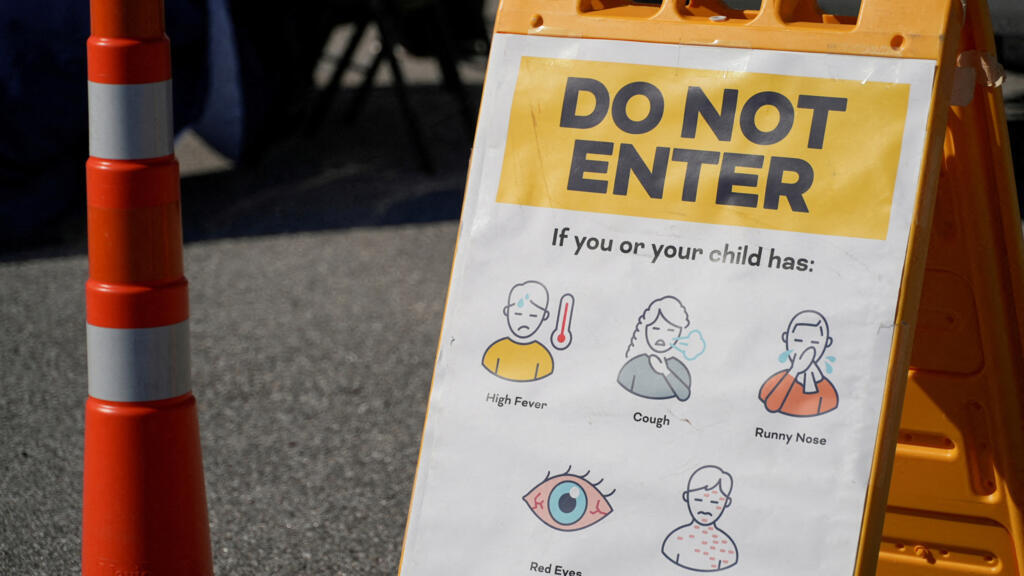
New York has declared a disaster emergency over rising measles cases, especially among under-immunized populations, with 108 confirmed cases.

Subscribe to
our news
Get the most important updates and top stories in your inbox.