 Business10 Jun 2026
From Fryers To Flight: American Airlines and Google Seal Landmark SAF Agreement
American Airlines and Google have finalized a groundbreaking SAF agreement, aiming to drastically reduce aviation emissions using recycled waste oil.
Major Partnership for Sustainable Aviation Fuel
In a groundbreaking move towards sustainability in aviation, American Airlines has partnered with Google to finalize the largest sustainable aviation fuel (SAF) agreement to date. This landmark deal will result in the production of 35 million gallons of SAF over the next three years, primarily sourced from recycled materials like used cooking oil. With expectations to mitigate nearly 300,000 metric tons of greenhouse gas emissions, this collaboration is a pivotal stride in both companies’ commitments to achieving net-zero emissions by 2050.
Details of the Agreement
The SAF agreement emphasizes the use of waste feedstocks, allowing materials that would typically be discarded to be refined into jet fuel. American Airlines' Chief Sustainability Officer, Jill Blickstein, noted the significance of the deal:
"Our industry-leading agreement with Google is a critical step forward in reducing emissions from our operations. By working with leaders like Google, we’re helping to grow demand for SAF and support a stronger, more resilient market."
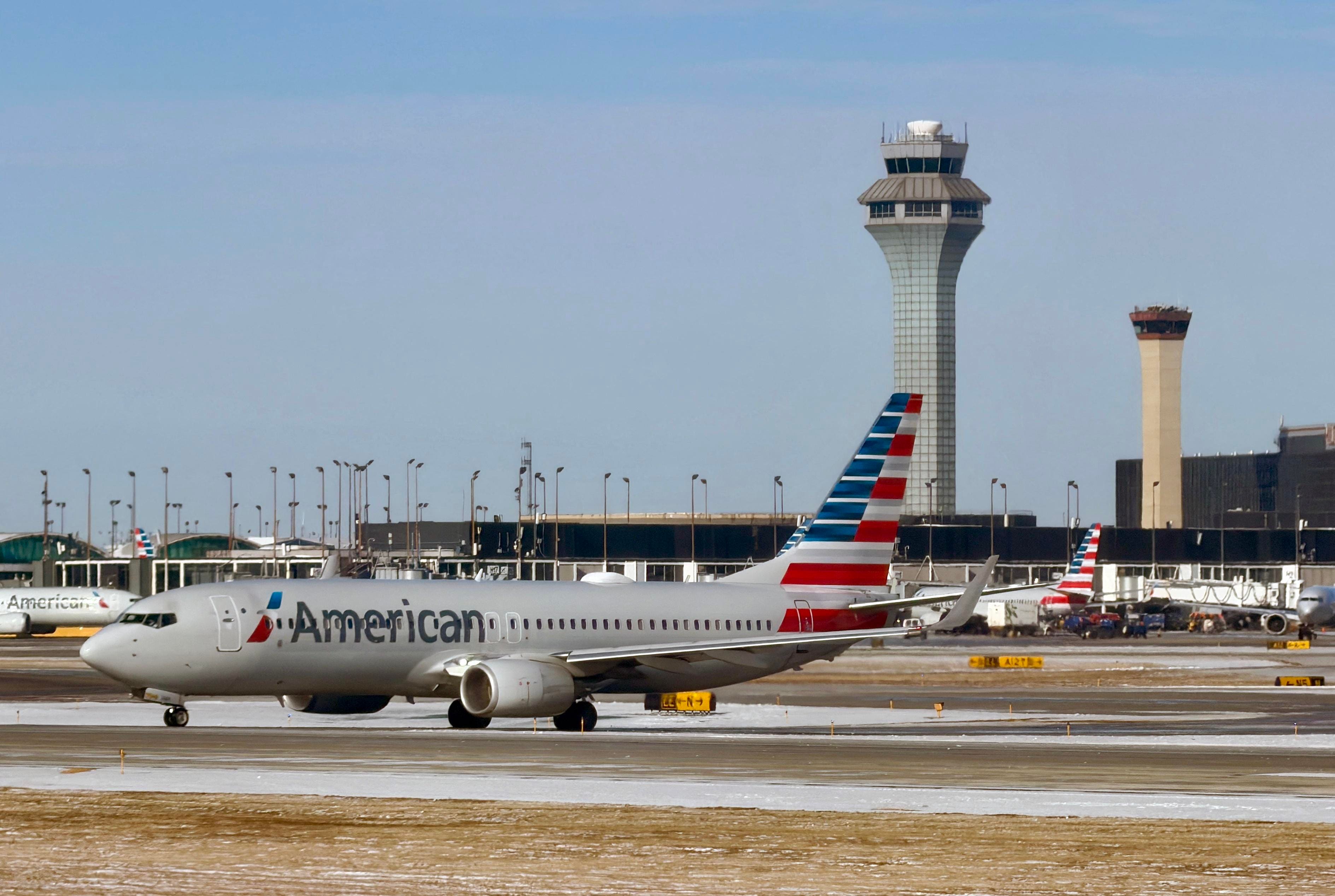
The deal includes a long-term supply agreement with Valero Marketing and Supply Company for the SAF needed at Chicago O'Hare International Airport, a location chosen in light of favorable SAF tax credits instituted by Illinois state officials.
Supporting Clean Energy Initiatives
Illinois Governor JB Pritzker highlighted the importance of such corporate partnerships:
"This agreement demonstrates how our nation-leading SAF tax credit can bring industry leaders together as we work toward a more sustainable future. We’re strengthening Illinois’ role as a global aviation hub."
This initiative reflects growing corporate demand for lower-emission travel options and aims to align with airlines' targets for sustainable energy solutions.
Google’s Commitment to Emissions Reduction
Google's Chief Sustainability Officer, Kate Brandt, expressed the company’s broader commitment to tackling emissions from business travel through this strategic collaboration. Brandt stated,
"This long-term commitment sends a vital demand signal to catalyze investment and bring more SAF to market."
This deal also aligns with Google’s ongoing initiatives aimed at maximizing SAF utilization, such as partnerships to enhance production capabilities and research methodologies.
Addressing the Challenges of SAF Production
Despite the promising outlook, SAF production faces significant challenges. Currently, output remains minimal compared to the demand in the aviation sector, leading to higher costs than conventional jet fuels. Willie Walsh, Director General of the International Air Transport Association (IATA), emphasized the urgency for increased investment and supportive policies to ensure the SAF market grows adequately.
"Five years after committing to achieve net zero by 2050, SAF production will only account for 0.8% of airline fuel use this year."
Innovations in Flight Operations
In addition to increasing SAF supply, American Airlines and Google are leveraging artificial intelligence to mitigate aviation's environmental impact. Their partnership aims to minimize contrails—the condensation trails formed by aircraft that could exacerbate global warming.
Using AI to analyze weather patterns and flight paths, the companies are able to develop strategies that could reduce contrail formation by over 60%. Initial tests showed encouraging results, with significant reductions in the warming effect while maintaining fuel efficiency.
Conclusion
As companies like American Airlines and Google collaborate on innovative solutions, the aviation industry moves closer to its sustainability targets. Combining efforts on SAF production and advanced technology adoption sets a promising precedent for environmentally conscious flying, emphasizing the role of corporate partnerships in promoting sustainable practices in aviation.
Popular news
New York has declared a disaster emergency over rising measles cases, especially among under-immunized populations, with 108 confirmed cases.




Subscribe to
our news
Get the most important updates and top stories in your inbox.