




 Technology17 Jul 2026
Google-Backed Satellites for Wildfire Detection Launch Amidst Smoke Crisis in North America
Google-backed FireSat microsatellites launch to enhance wildfire detection in the U.S. and Canada, providing crucial data amidst ongoing fires.
Introduction
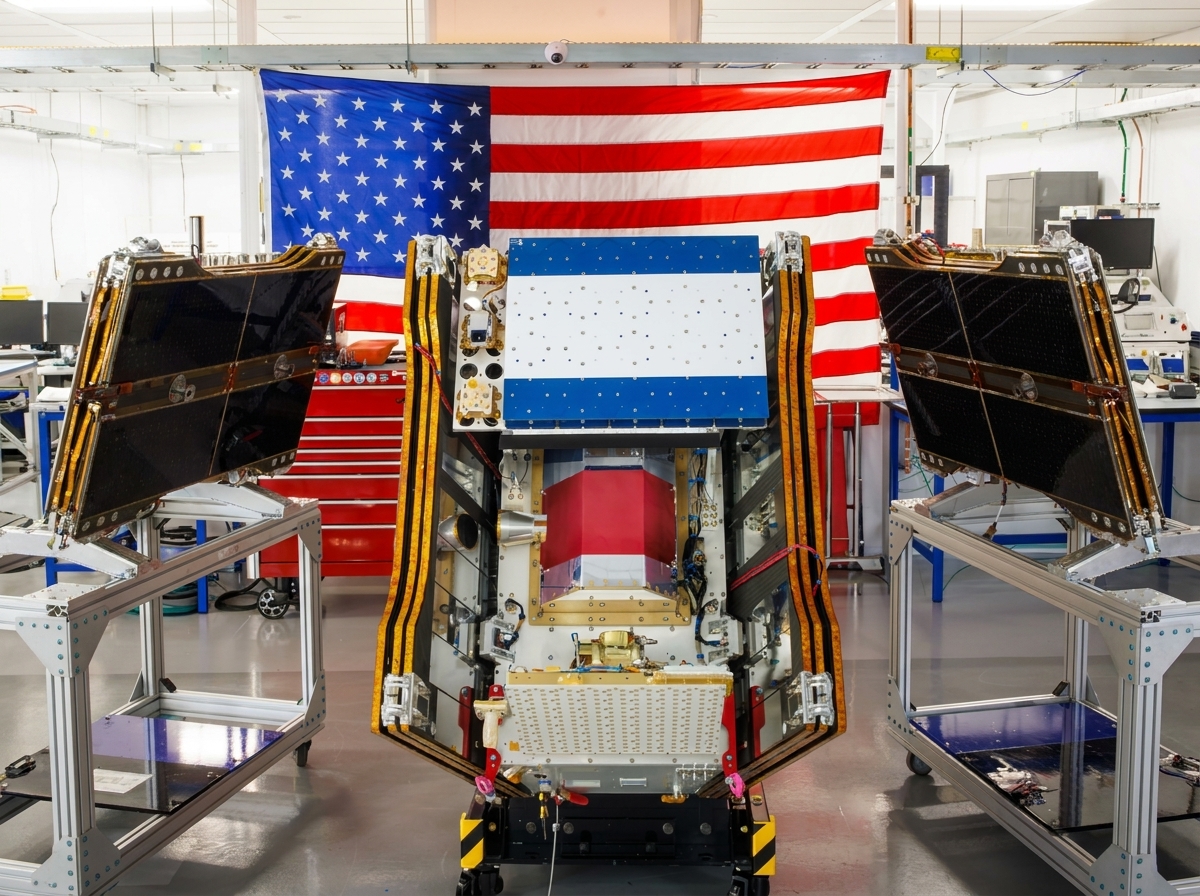
In a significant step toward enhancing wildfire detection capabilities, three microsatellites from the Google-supported FireSat program have successfully launched into orbit. This event comes as thick smoke from numerous wildfires engulfs parts of Canada and the United States, underscoring the urgency for advanced monitoring technology.
The Launch
On July 7, 2026, the microsatellites were deployed aboard a SpaceX Falcon 9 rocket from Vandenberg Space Force Base in California. This launch marks a pivotal moment for the FireSat constellation, which is managed by the nonprofit Earth Fire Alliance. Following an initial three-month testing phase, the satellites are set to actively provide real-time data to fire agencies worldwide, significantly enhancing surveillance over fire-prone areas—reportedly covering each region at least twice per day.
Unique Capabilities of FireSat
FireSat is touted as the first satellite constellation specifically designed to detect wildfires, notably including smaller fires that typically evade detection by existing satellite systems. The significance of this deployment shines through as wildfires become increasingly pervasive due to climate change, impacting vast expanses of land across continents.
Investment and Development
Designed by California-based Muon Space, FireSat received over $15 million in funding from Google to facilitate its development and deployment. Additionally, the project benefited from substantial financial support from the Bezos Earth Fund, which committed $26 million to address the global wildfire challenge effectively.
Popular news
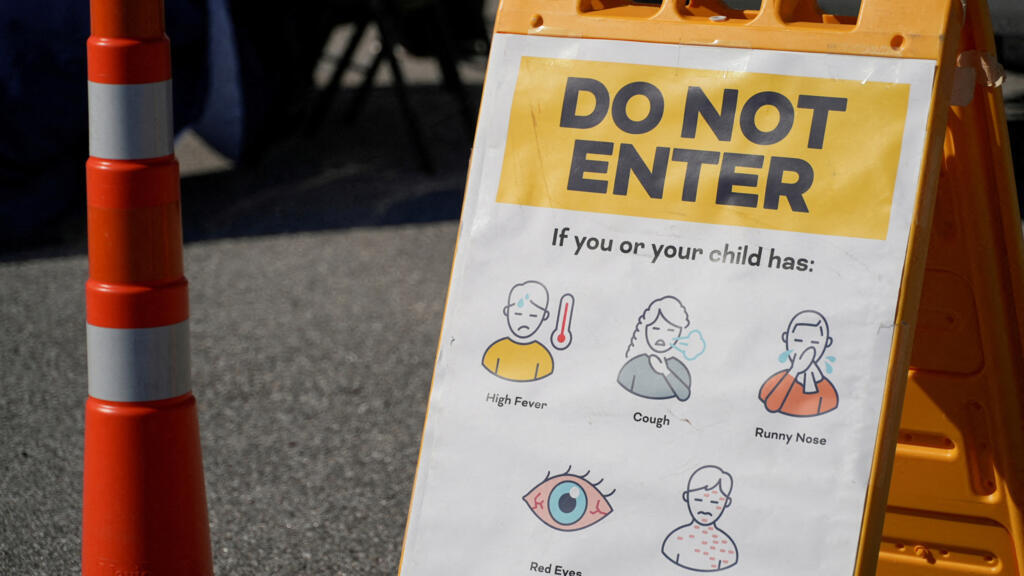
New York has declared a disaster emergency over rising measles cases, especially among under-immunized populations, with 108 confirmed cases.


Subscribe to
our news
Get the most important updates and top stories in your inbox.